Mastering Space How Decluttering Boosts Mental Clarity Minimalism
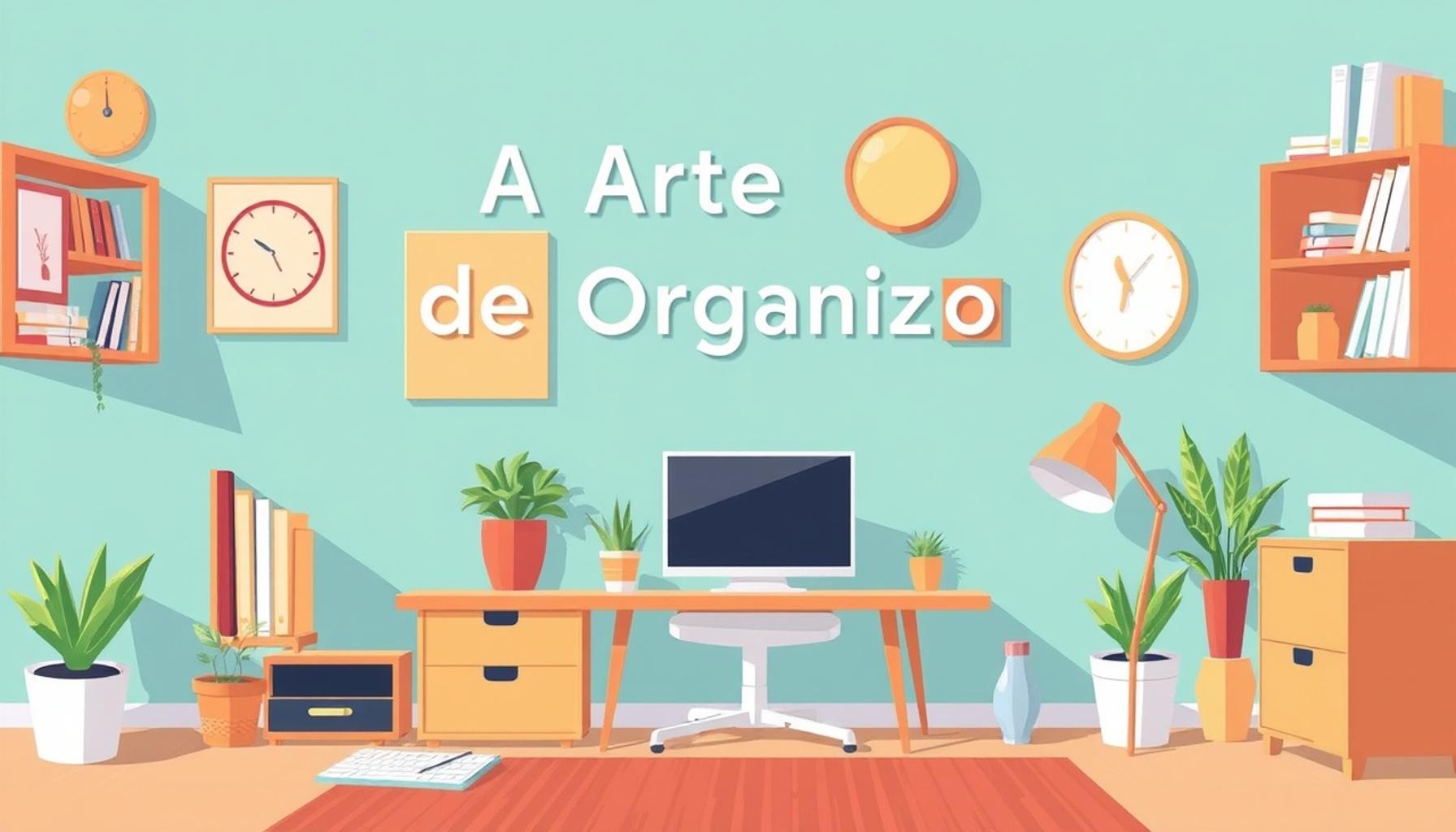
In today’s fast-paced world, the spaces we inhabit often become overwhelmed with possessions, leading to clutter and chaos. Embracing minimalism and mastering the art of organization not only transforms our physical environment but also positively impacts our mental well-being. As individuals seek clarity and peace of mind, understanding the connection between space optimization and mental clarity becomes essential.
Consider the following key points that illustrate the significance of this approach:
- Decreased Stress: A tidy space minimizes distractions and helps reduce anxiety.
- Enhanced Focus: Fewer items allocate your attention to what’s truly important.
- Personal Growth: Organizing encourages mindfulness and intentional living.
In the following sections, we will explore the Top 5 strategies for decluttering your space, which not only promotes a minimalist lifestyle but also fosters mental clarity. Get ready to discover practical tools that can help transform your environment and mind.
Top 5: The Art of Organizing – How Space Optimization Contributes to Mental Clarity and Minimalism
In our modern, fast-paced world, the concept of organization isn’t merely about tidiness—it’s a cornerstone for achieving mental clarity and embracing minimalism. The art of organizing goes beyond aesthetic appeal, delving deeply into psychological and lifestyle benefits that can transform your living space and mental state. This article delves into five impactful strategies for optimizing your space, ranked from the least to the most transformative method, ultimately fostering a clearer mind and simpler lifestyle.
5. Declutter Regularly
The journey to minimalism often begins with the simple yet profound act of decluttering. Engaging in this practice regularly involves a conscious evaluation of your possessions, discerning what to keep, donate, or discard. The benefits of regular decluttering extend far beyond just a tidy home; they include reduced stress, increased focus, and a more serene living environment.
A practical method to approach decluttering is the four-box technique. Create four distinct categories: “keep,” “donate,” “trash,” and “unsure.” As you sort through your belongings, this system provides clear guidelines, preventing decision fatigue. Regularly scheduled decluttering sessions—such as once a month—can sustain an organized space, reinforcing your minimalist goals.
Consider exploring additional methods like the KonMari method, which emphasizes joy—keeping items that spark happiness. By continuously evaluating your possessions, you cultivate an environment that supports peace and productivity.
4. Use Multi-Functional Furniture
For many, optimizing space is crucial, especially in smaller living areas. Here, multi-functional furniture becomes invaluable. Such furniture pieces serve dual purposes, efficiently utilizing your available area. Imagine a sofa that converts into a bed for guests or a dining table with expandable leaves for added seating.
Incorporating multi-functional furniture not only saves space but also minimizes visual clutter, creating a more harmonious environment. For example, a bed with built-in storage drawers allows you to tuck away off-season clothing, keeping your room organized and visually calm.
The beauty of these pieces lies in their ability to maintain a balance between style and practicality. They embody the core of minimalism: functional excellence paired with aesthetic simplicity, contributing to a serene, clutter-free environment.
3. Create Zones in Your Space
Effectively optimizing space often necessitates a strategic approach, and creating distinct zones is a powerful method. Whether you live in a compact studio apartment or a spacious home, defining zones can help segment your activities, enhancing both organization and focus.
Each zone in your home should be dedicated to specific activities. Designate an area solely for work, replete with all necessary office supplies stored neatly. Avoid personal distractions in this zone to sustain a professional mindset. Transition into your relaxation zone with comfortable seating and soft lighting to unwind after a busy day.
By clearly delineating zones, you reduce distractions, foster concentration, and create a living space where every activity has its place. This sense of order is instrumental for mental clarity and aligns perfectly with minimalist living.
2. Limit Decorative Items
Personalizing your space is important, yet in the pursuit of minimalism, moderation is key. When it comes to decoration, strive for a balance between personal expression and simplicity. Limiting decorative items reduces visual chaos and enhances the cohesive feel of your home.
Embrace the “one in, one out” rule, a simple yet effective strategy where introducing any new item prompts the removal of an old one. This practice ensures your home remains uncluttered and helps build a collection of items that hold value and significance to you.
Select meaningful artwork or decor that resonates with your personal style. Quality trumps quantity, allowing each piece to shine without overcrowding your space. This mindful selection process echoes the minimalist ethos of intentional living.
1. Adopt a Minimalist Mindset
At the heart of optimizing your space lies adopting a minimalist mindset, the most transformative method on this list. Minimalism is not only about reducing physical clutter; it encompasses a broader lifestyle focused on intentionality and mindfulness.
To embrace this mindset, reflect on what truly matters to you. What values and priorities are central to your life? Start by creating a list of your core values and align your possessions and living space accordingly. This alignment helps eliminate distractions and fosters a clearer, more focused mind.
Minimalism encourages you to keep possessions that serve a purpose or bring joy, focusing on quality and simplicity. It’s less about deprivation and more about making thoughtful choices that enhance your life. By fully adopting this mindset, you open the door to a more purposeful, content existence.
In conclusion, optimizing your space using these five strategies can profoundly impact your mental clarity and dedication to minimalism. By implementing regular decluttering, using multi-functional furniture, creating activity zones, limiting decorations, and adopting a minimalist mindset, you can cultivate an organized environment that fosters peace, purpose, and simplicity in your life.
| Category | Key Features |
|---|---|
| Space Utilization | Effective organization allows for the optimal use of space, which can lead to a more functional and inviting environment. |
| Emotional Well-being | A tidy space reduces anxiety and stress, promoting a sense of calm and clarity, which is essential for mental health. |
| Improved Productivity | An organized space enhances focus and can significantly improve productivity by minimizing distractions. |
| Resource Management | Efficient organization aids in managing resources better, ensuring that time and materials are allocated more efficiently. |
In today’s fast-paced world, the ability to maximize the available space within our environments is paramount. The first category, Space Utilization, emphasizes the importance of creating a seamless flow in your surroundings. This aspect of organization involves defining areas for specific activities, which leads to the transformation of cluttered spaces into ones that foster creativity and efficiency. For example, a well-organized workspace can facilitate brainstorming sessions or focused tasks without overwhelming distractions.Furthermore, fostering Emotional Well-being is directly tied to the organization of our spaces. A cluttered environment often reflects a cluttered mind, resulting in increased stress levels. By systematically organizing personal or professional spaces, you can create a sanctuary that invites relaxation and peace. Consider decluttering your workspace before a big project; a clean slate often leads to improved mental clarity.An organized space does not just affect emotions; it greatly enhances Improved Productivity. Research shows that eliminating clutter can lead to heightened focus and efficiency. For instance, setting up a dedicated area for specific projects helps compartmentalize tasks, allowing individuals to immerse themselves entirely in their work without getting sidetracked by unrelated reminders. This direct connection between space and productivity emphasizes the effectiveness of strategic organizing.Finally, Resource Management also plays a crucial role in the art of organization. When everything has a designated place, it not only saves time but also energy. By developing a system for managing materials and resources, you reduce waste and enhance sustainability. For example, an organized filing system ensures that important documents are accessible, streamlining processes and preventing costly delays.Overall, effectively organizing one’s environment is a vital task that contributes enormously to clarity of thought and a minimalist lifestyle. Each category discussed provides valuable insight into how being intentional about space can lead to significant benefits in daily life.
Frequently Asked Questions about Space Optimization and Mental Clarity
What is the relationship between space optimization and mental clarity?
Space optimization involves arranging physical spaces in a way that maximizes utility and minimizes clutter, which has a profound impact on mental clarity. When our surroundings are organized, our minds tend to be more focused and less distracted. Studies show that a clutter-free environment can lead to reduced stress and increased productivity. By minimizing unnecessary items and arranging spaces thoughtfully, we create a physical setting that encourages a peaceful and clear mental state.
How can space optimization promote minimalism?
Space optimization naturally aligns with the principles of minimalism by emphasizing the importance of removing the non-essential. This process encourages individuals to assess what items truly add value to their lives and discard what doesn’t contribute positively. By strategically organizing spaces and prioritizing function over form, one can embrace a minimalist lifestyle that thrives on simplicity and efficiency. The key is to focus on quality rather than quantity, which fosters a deeper appreciation for the essential items we choose to keep.
What are some practical steps to start optimizing my space?
Begin by decluttering, which involves sorting through your belongings and categorizing them based on necessity, function, and sentimental value. Be ruthless in eliminating items that no longer serve a purpose. Gradually, introduce organizational systems such as shelving, storage boxes, or dividers to better utilize space. Another practical step is to adopt the habit of tidying up regularly to maintain an organized environment. Remember, small consistent efforts lead to significant long-term results in space optimization.
Conclusion
The journey through the art of organizing has highlighted how optimizing space plays a crucial role in fostering both mental clarity and a minimalist lifestyle. At its core, the concept is about more than just tidying up; it is a transformative process that enhances one’s quality of life.
First and foremost, simplifying and rearranging our environments helps eliminate unnecessary clutter, leading to increased efficiency and reduced stress. When our spaces are well-organized, we can find what we need quickly, leading to more productive and focused days.
Furthermore, the exercise of purging excess items aligns beautifully with the principles of minimalism. By keeping only what is essential and meaningful, we create room to breathe, both physically and mentally. This decluttered space supports a peaceful mind, allowing us to concentrate on what truly matters.
Additionally, the process of organizing has the added benefit of fostering mindfulness. As we thoughtfully arrange our belongings, we practice being present and intentional, which translates into more mindful living. These changes contribute not only to improved clarity but also to a greater sense of control over our lives.
Embracing this philosophy invites a shift in perspective. It transforms our homes and workplaces from chaotic environments into sanctuaries of calm and inspiration. The resulting mental clarity and focus are unmatched benefits that further fuel the minimalist way of life.
In conclusion, the art of organizing is a powerful tool for anyone seeking clarity and simplicity. By optimizing our spaces, we welcome minimalism into our lives and pave the way for greater personal fulfillment. Consider taking small steps today, and experience firsthand the profound, positive impact this transformation can have.