Transforming Your Home Office: Minimalist Space Optimization for Productivity
Creating an Efficient Home Office Environment
In today’s fast-paced world, the workspace significantly influences productivity. With the rise of remote work due to advancements in technology and changing work dynamics, optimizing your home office has become essential for maintaining high performance and job satisfaction. A well-designed, minimalist office not only cultivates a sense of peace but also equips you with the environment needed to thrive in your daily tasks.
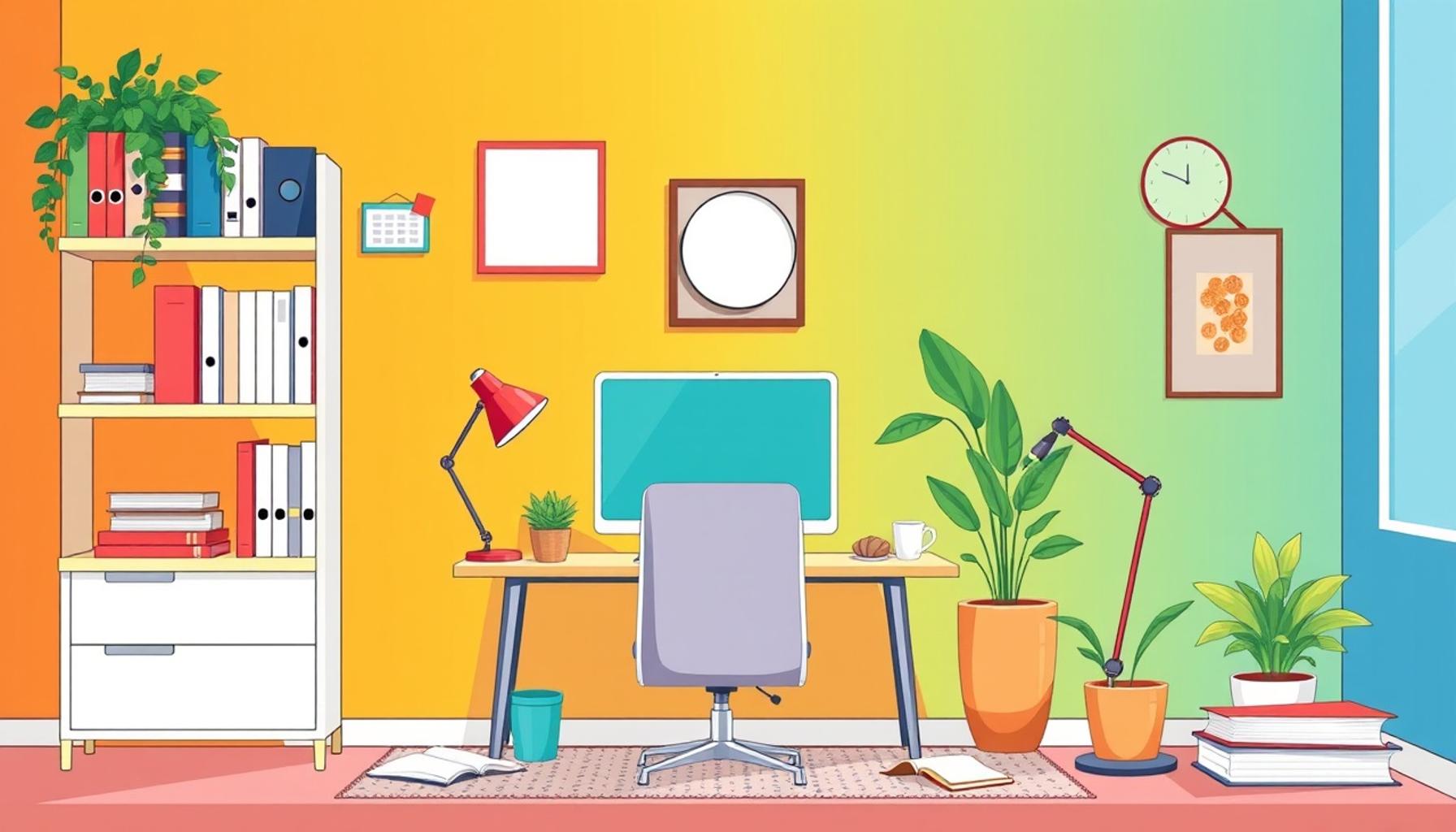
Minimalism goes beyond mere aesthetics; it serves as a crucial framework for enhancing workplace efficiency. By stripping down unnecessary items and focusing on essentials, you pave the way for clarity and creativity. Here are several key elements to consider when transforming your home office:
- Decluttered Desks: A clean desk significantly reduces distractions. Research shows that clutter can negatively impact your ability to focus. Aim to maintain an organized surface by keeping only essential work materials within reach. Utilize drawer organizers or desktop trays to manage papers and office supplies neatly.
- Functional Furniture: When choosing your office furniture, prioritize ergonomic and multifunctional pieces. Desks with adjustable heights encourage movement between sitting and standing, promoting better posture and health. Likewise, chairs that offer lumbar support help prevent fatigue during long work hours.
- Smart Storage Solutions: Utilize vertical spaces, such as wall-mounted shelves, to minimize the footprint of your office while maximizing storage. Hidden compartments in desks can also reduce visual clutter, allowing you to hide away items that might otherwise become distracting.
By incorporating these minimalist principles, you not only enhance the aesthetics of your workspace but also create an atmosphere conducive to concentration and creativity. The aim is to foster a space that inspires innovation while minimizing the chaos that can often accompany home offices.
Furthermore, consider enhancing your work environment with elements such as natural lighting and plants. Studies indicate that exposure to natural light boosts mood and enhances focus, while greenery has been linked to reduced stress levels. Simple additions like a well-placed desk lamp with adjustable brightness or a few indoor plants can further transform your workspace into a haven of productivity.
Implementing these strategies in your home is not only a path to increased efficiency but also a means of creating a pleasurable environment that reflects your personal style. As you embark on this redesign, remember that your home office should not only function well but also ignite your passion for your work, ultimately leading you to achieve greater success.
DISCOVER MORE: Click here to uncover effective clutter management strategies
Maximizing Your Workspace with Thoughtful Design
One of the critical components of a successful home office lies in its design. Crafting a space that is both visually appealing and functionally efficient can be a game-changer for your productivity. The philosophy of minimalism offers a thoughtful approach to creating a workspace that minimizes distraction while maximizing creativity and focus. By consciously selecting elements that serve a purpose, you can transform your office into a hub of productivity.
The foundation of a minimalist workspace is the concept of zoning. This involves organizing your office into specific areas dedicated to various tasks, allowing for a seamless workflow. For example, designate a space for focused work, a separate area for calls or meetings, and another for creative brainstorming. By clearly defining these zones, you can enhance your ability to concentrate, as each area is associated with specific activities. Examples include:
- Focused Work Zone: This area should be free of distractions and stocked only with essential tools like your computer, notebooks, and pens.
- Meeting Hub: Create a separate space for virtual meetings equipped with good lighting, a clear backdrop, and any necessary technology to ensure professionalism.
- Creative Corner: Dedicate a nook for brainstorming, equipped with whiteboards, sticky notes, or inspirational decor that encourages innovation.
Another key aspect is the selection of color schemes. Soft, muted colors have been shown to promote a tranquil environment that can contribute to greater focus. Consider incorporating shades like pastel greens or light blues, which create a calming atmosphere while still promoting alertness and clarity. You might also think about the effect of room accents; for example, a bold piece of artwork or strategic use of color blocking can provide a spark of inspiration without overwhelming the senses.
Moreover, integrating technology into your minimalist design can streamline your workflow. Wireless charging stations and Bluetooth devices can eliminate messy cords, further contributing to a clean and organized appearance. Investing in productivity tools like task management software and time tracking applications can help maintain your focus by streamlining your efforts and keeping distractions at bay.
As you embark on the journey to transform your home office, don’t overlook the importance of personalization. Adding a few carefully chosen personal items—whether it be a framed photo, a favorite mug, or a piece of treasured memorabilia—can make your space feel inviting. Just remember to keep these adornments to a minimum to maintain the essence of a minimalist aesthetic.
In conclusion, creating an optimized home office goes beyond just functionality; it’s about fostering an environment that fuels your passion and enhances your workflow. By utilizing thoughtful design principles and minimalist strategies, you can turn your workspace into a true reflection of your professional ambitions, setting the stage for increased productivity and satisfaction.
| Advantages | Description |
|---|---|
| Increased Focus | A minimalist setup reduces distractions, allowing you to concentrate better on your tasks. |
| Enhanced Organization | With fewer items, it’s easier to keep your workspace organized, which promotes a clear mind. |
| Improved Aesthetics | A clean, uncluttered space not only looks appealing but also contributes to a more positive work environment. |
| Flexibility in Design | Minimalism allows for easy adjustment of space and layout, catering to an ever-changing work routine. |
| Increased Productivity | By optimizing your workspace, you can see a measurable boost in your overall productivity. |
The advantages of adopting a minimalist approach in your home office extend beyond mere aesthetics. Increased focus becomes a natural byproduct, where reduced distractions pave the way for deeper engagement with tasks at hand. This shift leads to enhanced organization, making it simpler to keep essential tools at your fingertips, while extraneous items are kept at bay.Moreover, a well-curated workspace naturally fosters an improved aesthetic appeal that resonates positively with your mood. When the environment feels right, creativity often flourishes. Flexibility in design also plays a significant role; as work priorities evolve, a minimalist setup can be restructured effortlessly, catering to personal preferences or task demands.Ultimately, these strategic adjustments culminate in increased productivity. Implementing minimalist space optimization not only transforms your home office but could very well redefine your work habits in remarkable ways. With every detail serving a purpose, the potential for unlocking higher efficiency and satisfaction in your professional life is at your fingertips.
DISCOVER MORE: Click here to learn effective strategies
Enhancing Functionality Through Smart Organization
In addition to thoughtful design, organization plays a vital role in optimizing your minimalist home office for maximum productivity. By implementing clever organizational strategies, you not only create an environment where everything has its place, but you can also significantly reduce time spent searching for essential items. Embracing simple, effective storage solutions can drastically improve your efficiency while maintaining a clean and inspiring workspace.
First and foremost, consider incorporating vertical storage options. Wall-mounted shelves or pegboards allow you to utilize often-overlooked vertical space, keeping your desk clutter-free while providing easy access to frequently used items. For example, hanging file holders can also keep your important documents visible and organized without consuming valuable desk space. Additionally, magnetic strips can be utilized for storing office supplies such as scissors or pens, creating a visually appealing and functional display.
Another essential organizing principle is to employ the One-In-One-Out Rule. This means that for every new item you bring into your office, an existing item must be removed. Adopting this mindset helps cultivate a disciplined approach to your workspace, reducing the likelihood of accumulating unnecessary clutter. The result is a streamlined environment that promotes focus and efficiency, allowing your creativity to flourish in an organized setting.
Furthermore, utilize modular furniture that can be easily adjusted or reconfigured according to your workflow needs. This approach not only helps maintain a minimalist aesthetic but also supports adaptability in your workspace. For instance, desks with built-in storage compartments or adaptable components can be customized to provide the right amount of surface area for your current tasks, whether it’s a large project or a quick call.
Leveraging Natural Elements
The integration of natural elements is another attractive facet of minimalist office design that deserves attention. Studies have shown that incorporating plant life can elevate mood and boost productivity. Consider adding a few low-maintenance plants, such as succulents or snake plants, which are known to purify the air while providing a refreshing touch to your workspace. Placing these natural elements near your work zone not only beautifies your environment but also enhances cognitive function and reduces stress levels.
Moreover, bringing in natural light can significantly impact your ability to concentrate. Arrange your workspace to take advantage of daylight, positioning your desk closer to windows if possible. If that’s not an option, invest in lighting solutions that imitate natural light, such as daylight bulbs or lamps with adjustable brightness settings. This adjustment can enhance your focus and help stave off feelings of fatigue throughout the day, ultimately contributing to sustained productivity.
Mindful Digital Presence
As we continue to navigate an increasingly digital world, it’s crucial to maintain a mindful digital presence as part of your minimalist home office. Decluttering your digital workspace can be as significant as organizing your physical space. Start by prioritizing a clean and organized desktop, removing any unnecessary files, and establishing a systematic folder structure that makes access swift and efficient. Tools like project management software can further assist in streamlining tasks, allowing you to visualize projects efficiently without overloading your mind with information.
By focusing on strategic organization within your minimalist home office, you cultivate an environment that seamlessly blends aesthetics with functionality. Implementing these practices fosters a space where productivity can thrive, allowing you to move freely between tasks while maintaining a sense of calm and focus.
DISCOVER MORE: Click here to learn how minimalism can enhance your productivity and well-being
Conclusion: Create Your Ideal Minimalist Workspace
In conclusion, transforming your home office into a minimalist haven promotes not only aesthetic appeal but also enhanced productivity. By emphasizing smart organization, leveraging natural elements, and maintaining a mindful digital presence, you can cultivate a workspace that inspires creativity while minimizing distractions. Remember, the essence of minimalism is to embrace simplicity and functionality, allowing each element you integrate to serve a purpose.
As you embark on the journey to redesign your workspace, think critically about your needs and how you work best. Consider implementing vertical storage solutions, adhering to the One-In-One-Out Rule, and selecting modular furniture that adapts to your workflow. Moreover, elevating your surroundings with plants and optimizing natural light will boost your mood and mental clarity, thereby fostering an environment ripe for productivity.
Ultimately, this transformative process is not just about reducing clutter; it’s about creating a space that reflects who you are and amplifies your potential. Embrace the principles of minimalism in your home office, and watch how this intentional approach allows you to focus more intently on your work while enjoying an atmosphere that inspires and invigorates. Consider taking small, manageable steps towards this goal—your ideal workspace awaits! For further inspiration, keep researching trends in minimalism, and explore innovative organizational tools that can elevate your productivity even more.