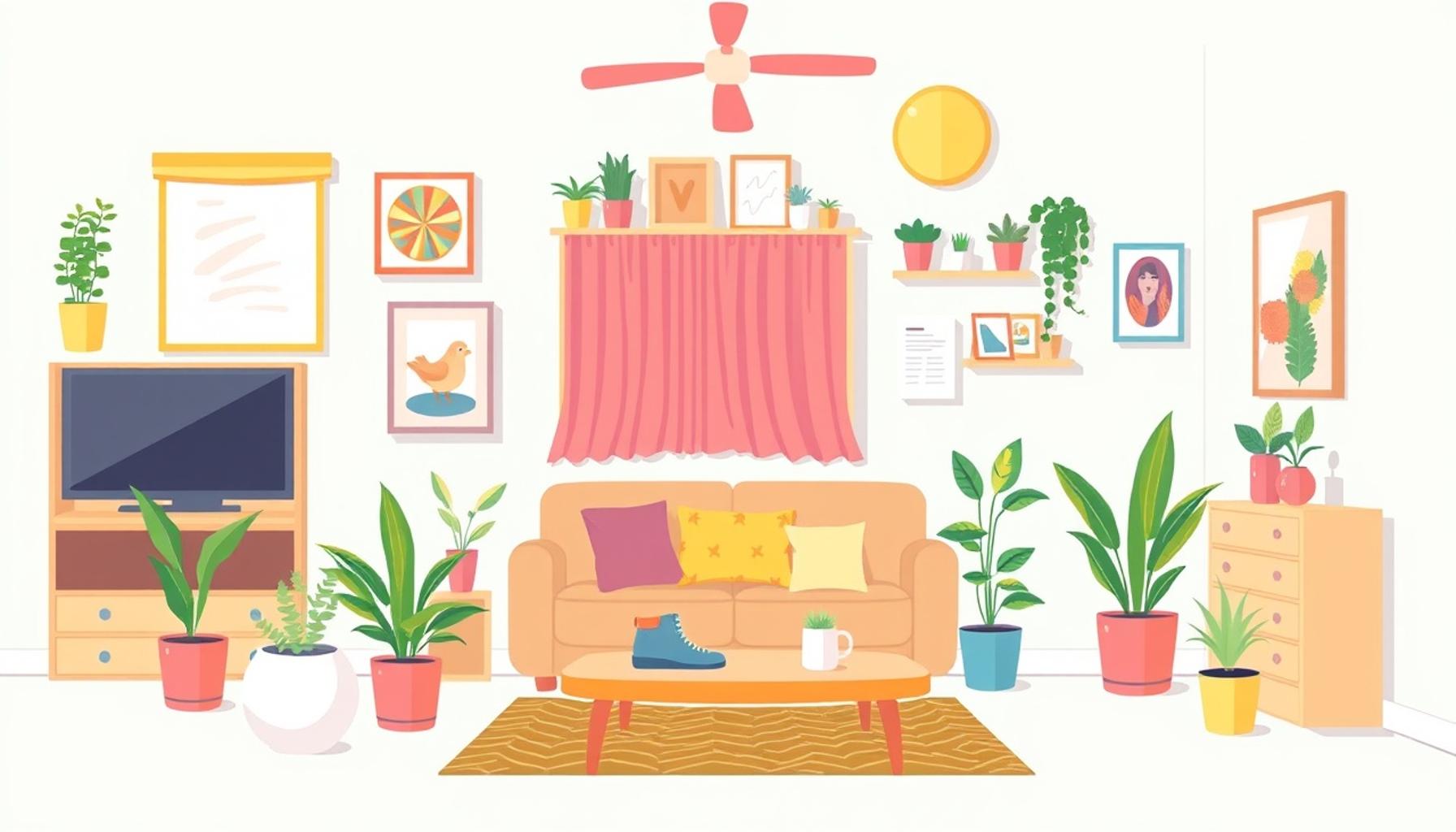
Nature Meets Minimalism: Incorporating Plants for Optimized Space and Serenity
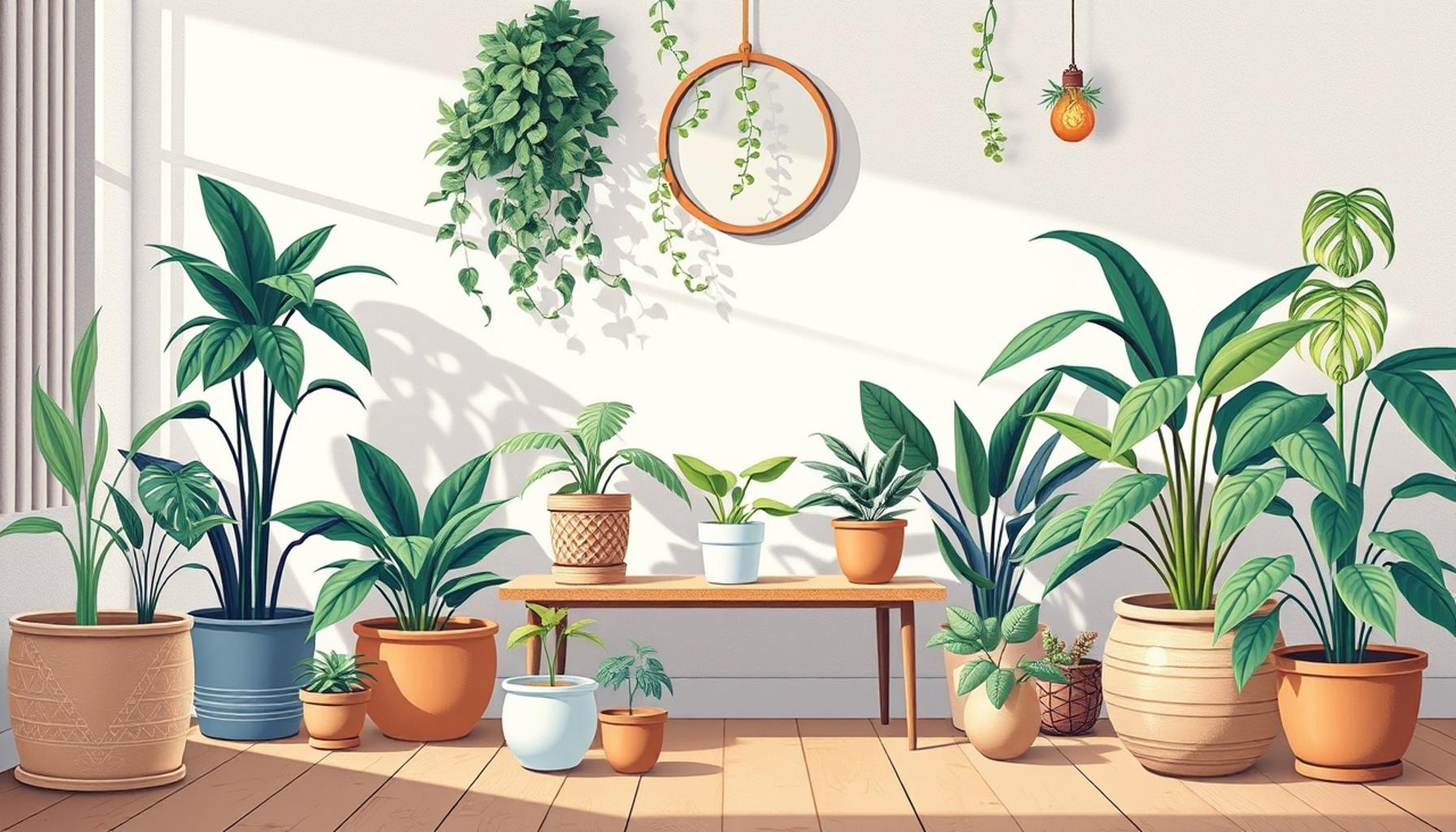
Revitalizing Your Space with Nature
Incorporating plants into your living or working environment transcends mere decoration; it’s about creating a harmonious blend of nature and minimalism. The trend of using greenery to enhance space management is burgeoning, offering an array of benefits that can transform your surroundings and well-being. The rise of urban living, particularly in bustling cities across the United States, underscores the need for environments that go beyond aesthetics to foster mental clarity, relaxation, and connection to the natural world.
Benefits of Nature in Minimalist Design
As urban living continues to evolve, the importance of integrating natural elements intensifies. Here are some compelling reasons to consider:
- Space Optimization: Plants can efficiently fill empty corners or vertical spaces, promoting a feeling of balance. For instance, a tall snake plant can thrive in a narrow hallway, providing both visual interest and enhancing air quality.
- Improved Air Quality: Certain plants, like the peace lily and spider plant, work effectively to purify air by removing toxins such as formaldehyde and benzene. The use of these natural air filters can significantly enhance your indoor environment, making it healthier to breathe.
- Stress Reduction: The presence of greenery has been linked to lower stress levels and increased relaxation. Studies show that simply looking at plants can reduce blood pressure and induce a calming effect, creating a tranquil atmosphere ideal for both homes and workplaces.
Choosing the Right Plants
Not all plants are created equal when it comes to minimalist design. Here are a few that fit seamlessly into modern environments:
- Succulents: Known for their low maintenance needs and diverse shapes, succulents like the jade plant or aloe vera can survive with minimal watering and add a decorative appeal on desks or windowsills.
- ZZ Plant: This resilient plant thrives in low light and requires infrequent watering, making it perfect for those who may not have a green thumb. Its glossy leaves and upright form also contribute to a sleek aesthetic.
- Fiddle Leaf Fig: With its large, violin-shaped leaves, the fiddle leaf fig has become a popular choice for creating a statement without overwhelming a space. It can serve as a stunning focal point in living rooms or office spaces.
As we explore the convergence of nature and minimalism, you’ll discover how to curate an inviting atmosphere that speaks to serenity. Embrace this remarkable journey to a more balanced lifestyle where every plant serves a purpose and enhances the essence of your space. Integrating these elements not only elevates the beauty of your interiors but also nurtures a deeper connection to nature, encouraging a more mindful and peaceful way of living in our increasingly digital world.
DIVE DEEPER: Click here to discover more
Creating Cohesion Between Nature and Design
In the unfolding narrative of modern architecture and interior design, the integration of plants into minimalist spaces has emerged as a key strategy to evoke tranquility and purpose. As many urban dwellers face the challenges of limited space, the appeal of green accents that require minimal upkeep has surged. This melding of nature and minimalism not only enhances aesthetic beauty but also offers practical benefits that translate into a serene living experience.
Functionality Meets Aesthetics
The essence of a minimalist design revolves around simplicity, focusing on what is necessary to create a functional, yet beautiful environment. By introducing plants into such spaces, one maximizes their potential. Consider the following advantages:
- Visual Balance: Incorporating plants like philodendrons or pothos creates an inviting atmosphere without overpowering the space. Their organic shapes can soften sharp edges of minimalistic furniture, enhancing the overall design with a touch of nature.
- Microclimate Creation: Plants not only enhance aesthetic appeal but also help in regulating humidity. For instance, a small collection of ferns in a bathroom not only looks refreshing but aids in maintaining moisture levels, promoting a comfortable retreat.
- Noise Reduction: Interestingly, foliage can act as a sound buffer. In urban settings where noise pollution is prevalent, having plants like rubber trees or bamboo can absorb sounds, contributing to a more peaceful atmosphere.
Plants That Harmonize with Minimalist Spaces
<pWhen choosing plants to align with your minimalist vision, the focus should be on species that complement your existing décor and lifestyle. Here are some ideal candidates:
- Dracaena: This versatile plant comes in various shapes and sizes to fit into any nook. Its architectural form provides a modern touch, while its air-purifying qualities further enhance the environment.
- Spider Plant: Renowned for its ability to thrive in various conditions, the spider plant adds delicate, cascading foliage that may gracefully hang from shelves or window sills, contributing to a layer of elegance.
- Air Plants: These unique specimens require no soil and can be displayed in the most creative ways. Floating on shelves or suspended in glass containers, air plants embody the essence of minimalism while offering endless design possibilities.
Through a deliberate choice of plants, you can actively shape your environment, ensuring each selection fosters an atmosphere conducive to peace and clarity. The journey toward integrating nature within your minimalist space invites you to lessen the noise, both visually and mentally, revealing how something as simple as a plant can transform not just a room, but the entire quality of life.
| Category | Details |
|---|---|
| Indoor Air Quality | Plants actively purify indoor air by removing toxins and adding oxygen to your living environment. This leads to a healthier space. |
| Aesthetic Appeal | Incorporating greenery creates a tranquil ambiance, enhancing the aesthetic appeal of minimalist spaces with vibrant colors and unique textures. |
| Space Optimization | Smart placement of plants in tight areas can maximize space, serving dual purposes as décor and spatial facilitators. |
| Mental Well-being | Research shows that having plants around can significantly reduce stress and enhance mood, contributing to overall serenity. |
Incorporating plants in your living space is more than just a trend; it is a transformative approach to design that places emphasis on both aesthetics and well-being. The integration of nature into minimalist decor not only boosts the overall ambiance but also serves functional purposes, such as enhancing air quality and optimizing space. Such benefits strongly resonate with those looking to foster a sense of calm and connection to the environment in their daily lives. From a psychological standpoint, surrounding oneself with greenery has proven effects on cognitive function and emotional balance, further justifying this remarkable intersection of nature and minimalist design. Whether you are looking to breathe new life into your home or simply want to create a peaceful sanctuary, plants have a pivotal role to play in achieving those goals.
DIVE DEEPER: Click here to gain insights
The Emotional and Psychological Impact of Plants in Minimalist Spaces
When discussing the fusion of nature and minimalism, it is essential to delve into the emotional and psychological benefits that plants can impart on individuals inhabiting these simplified environments. The presence of greenery is more than an aesthetic choice; it has been shown through studies that incorporating plants in indoor settings significantly enhances overall well-being.
The Biophilia Hypothesis
At the heart of this phenomenon lies the biophilia hypothesis, proposed by naturalist Edward O. Wilson, which suggests an inherent connection between humans and nature. This connection is not merely sentimental; it has profound implications for our mental health. Numerous studies indicate that exposure to plant life can reduce stress levels and enhance feelings of happiness and relaxation. A simple view of greenery can activate joyous emotions, providing a retreat from the hustle of daily life.
Productivity and Creativity Boost
Beyond emotional serenity, plants are known to foster productivity and creative inspiration. In office or home workspaces characterized by minimalistic arrangements, adding plants such as peace lilies or snake plants can lead to noticeable increases in focus and creativity. According to a study by the University of Exeter, employees report a 15% increase in productivity when plants are incorporated into their workspaces. Hence, while decluttering and simplifying one’s environment is essential for minimalism, the addition of plants can revitalize a space’s energy.
Mindful Gardening as a Therapeutic Practice
Engaging with plants is itself a form of mindfulness and can serve as an indirect therapy. The act of caring for plants—whether it’s watering, pruning, or simply observing their growth—encourages a moment of pause in our frenetic lives. Mindful gardening allows individuals to connect with the present, promoting awareness and leading to a more centered mental state. This practice has gained traction in therapeutic communities, where it serves as a tool to alleviate anxiety and depression.
Maximizing Space with Vertical Gardens
As urban spaces continue to shrink and living areas become increasingly compact, the concept of vertical gardens or green walls has gained popularity. These installations merge the beauty of nature with sleek, modern design, making them an ideal fit for minimalist aesthetics. Vertical gardens, composed of a variety of plants such as succulents or herbs, can bring vibrant colors and an air of sophistication to any room without occupying precious floor space. Not only do they save space, but they also create a stunning visual centerpiece that draws the eye and invites deeper engagement with nature.
Plant Care without Complexity
Achieving a harmonious balance between nature and minimalist design does not imply a heavy commitment to plant care. With the rise of low-maintenance plant options and self-watering systems, even those with busy lifestyles can enjoy the benefits of greenery without the added pressure of constant upkeep. Plants such as snake plants, ZZ plants, and succulents thrive on minimal attention, allowing individuals to reap the mental and aesthetic rewards without overwhelming their schedules.
Understanding the multifaceted role that plants play in enhancing both the physical and emotional landscapes of our living spaces highlights their significance in the minimalist trend. Embracing nature through thoughtful plant selection and arrangements can transform our surroundings into serene sanctuaries, all while optimizing space in creative and compelling ways.
DISCOVER MORE: Click here to enhance your space
Conclusion: Cultivating Serenity in a Minimalist Framework
Incorporating plants into minimalist living spaces is more than a trend; it is a holistic approach to enhancing our environments, emotional well-being, and overall quality of life. The synergy between nature and minimalism creates a serene sanctuary that fosters mental clarity, boosts productivity, and nurtures a profound sense of joy. As we navigate increasingly hectic lives, the incorporation of greenery serves as a vital reminder of our innate connection to the natural world.
By embracing the principles of the biophilia hypothesis, we can leverage the soothing effects of plants to combat stress and enhance our daily experiences in both personal and professional settings. Whether through enriching our workspaces with strategic plant placements, enjoying the therapeutic aspects of mindful gardening, or leveraging innovative solutions like vertical gardens, the opportunities to harmonize our surroundings with nature are abundant.
Moreover, the evolution of low-maintenance plant options enables everyone—regardless of a busy lifestyle—to cultivate this green oasis without feeling burdened by extensive care routines. As we adopt the mantra of ‘less is more’, each thoughtfully chosen plant becomes not only a visual asset but also a powerful contributor to our mental and emotional clarity.
Ultimately, “Nature Meets Minimalism” isn’t just about aesthetics; it’s about creating a nurturing ecosystem within our homes that enhances well-being in every chapter of our lives. As we continue to explore the benefits of this fusion, we invite you to discover how a few strategic additions of plant life can transform your space into an optimized haven of tranquility. Embrace the green; your mind and spirit will thank you.