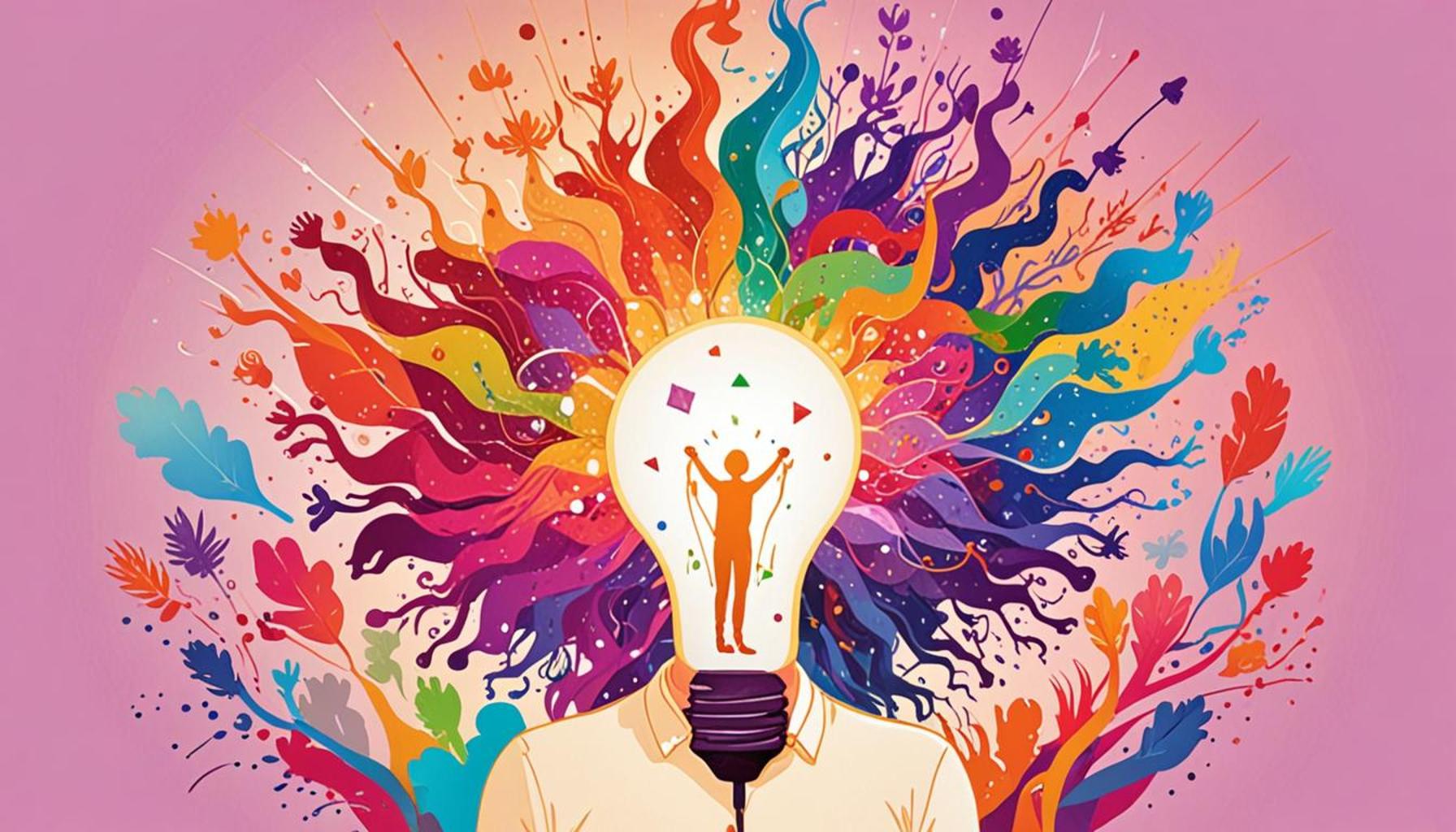
The Role of Positive Affirmations in Building Self-Confidence and Self-Efficacy

Understanding Positive Affirmations
In a world where self-doubt often creeps in, positive affirmations emerge as powerful tools to bolster self-confidence and self-efficacy. These simple yet profound statements can reshape our thought patterns, influencing both our mindset and actions. But how exactly do they work?
The Power Behind Positive Affirmations
Positive affirmations serve as mental reminders that challenge negative beliefs. Their effectiveness hinges on several key factors that enhance their impact on our daily lives. One major factor is consistency. By repeating affirmations regularly, individuals can foster a greater belief in themselves over time. For instance, someone struggling with public speaking might affirm daily, “I am a confident and effective speaker,” which can gradually alter their self-perception.
Emotional resonance is another vital element; affirmations that evoke strong feelings can create a deeper emotional connection, thus making them more effective. For example, expressing gratitude through an affirmation like “I am grateful for my strengths” can generate positive emotions that reinforce self-worth.
Furthermore, the practice of visualization can significantly enhance the effectiveness of affirmations. Combining affirmations with visual imagery—such as imagining oneself succeeding in a challenging task—helps to solidify these positive beliefs. A student might visualize themselves acing an exam while repeating, “I am prepared and capable,” creating a powerful mental image that can lead to real-life success.
Research has shown that incorporating positive affirmations into daily routines can lead to remarkable changes. Individuals report improved resilience and motivation, proving that self-efficacy can be nurtured through deliberate practice. Studies suggest that these affirmations can:

- Reduce stress and anxiety levels, as individuals learn to counter negative self-talk.
- Improve performance in various settings, from public speaking to job interviews, by fostering a positive mindset.
- Enhance overall mental well-being, contributing to improved emotional health and life satisfaction.
The potential benefits of positive affirmations extend into numerous areas of life, from personal development to professional achievements. As we delve deeper into the subject, we’ll explore practical ways to integrate positive affirmations into your life. Simple practices, such as keeping an affirmation journal or creating a daily affirmation ritual, can open avenues to long-lasting confidence.
Join us on this journey to uncover how self-talk can transform your confidence and your reality, leading to a more empowered existence filled with promise and potential.
DISCOVER MORE: Click here to learn about the power of daily affirmations
How Positive Affirmations Influence Self-Confidence
Positive affirmations act as catalysts for change by fostering an environment where self-confidence can flourish. They enable individuals to challenge and bridge the gap between self-doubt and self-assurance. But what mechanisms facilitate this transformation? Understanding the science behind affirmations unveils an array of psychological benefits.
The Psychological Underpinnings of Affirmations
At the core of positive affirmations is the concept of cognitive restructuring. This cognitive-behavioral technique encourages individuals to identify and transform negative thought patterns into positive statements. For example, a person who often thinks, “I am not good enough,” can reframe this narrative by affirming, “I am deserving of success.” This shift in thinking is crucial, as research indicates that our thoughts significantly influence our emotions and behaviors.
The practice of affirmations also involves the principle of self-affirmation theory, which posits that individuals have a fundamental drive to maintain their self-integrity. When people engage in positive self-talk through affirmations, they reinforce their values and competencies, thereby boosting their self-esteem. A study published in the journal *Psychological Science* highlights that participants who practiced self-affirmation showed increased performance in challenging tasks compared to those who did not.
The cumulative effects of these psychological shifts lead to improved self-efficacy, which refers to the belief in one’s abilities to succeed in specific situations. This belief is foundational for achieving goals and overcoming challenges. As individuals continually affirm their strengths and capabilities, they not only enhance their confidence but also their resilience in the face of obstacles.
- Increased Motivation: Regularly repeating affirmations can ignite intrinsic motivation, encouraging individuals to pursue their goals with renewed vigor.
- Reduced Fear of Failure: With positive affirmations, the fear of failure diminishes, allowing individuals to take risks and explore new opportunities.
- Greater Adaptability: As self-efficacy rises, individuals become more adaptable in their thinking, enabling them to navigate life’s uncertainties with confidence.
As we peel back the layers of how positive affirmations function, it becomes evident they are more than mere words; they are transformative tools that can revolutionize our perception of ourselves. The journey of integrating affirmations into daily routines is not just about believing in oneself but about reengineering the way we approach life’s hurdles.
With this understanding, the next logical step is to delve into practical applications of positive affirmations that readers can implement into their lives. Simple methods such as crafting personalized affirmations or utilizing technology through mobile apps can offer fresh avenues to nurture self-confidence and self-efficacy.
The Impact of Positive Affirmations on Self-Confidence and Self-Efficacy
Positive affirmations serve as a powerful tool in the journey of personal growth. By consciously repeating positive statements about oneself, individuals can reshape their internal dialogue, which is essential in fostering a robust sense of self-confidence and self-efficacy. Research has shown that the practice of affirmations can lead to profound changes in mindset and behavior. When individuals articulate affirmations like “I am capable of achieving my goals” or “I deserve to succeed“, it activates neural pathways associated with self-esteem and motivation. This process helps to counteract negative self-talk, which often breeds feelings of inadequacy and doubt. As the brain processes these positive messages, it begins to internalize them, leading to enhanced self-perception and, consequently, a greater belief in one’s abilities.Moreover, the use of positive affirmations can contribute to lowering stress levels. When individuals engage in positive self-talk, they are less likely to succumb to the pressures of external expectations. By reframing their thought patterns, they can approach challenges with a more resilient and confident mindset, inspiring them to take risks and embrace new opportunities.The role of positive affirmations extends beyond the individual. When practiced in group settings, such as workshops or support groups, affirmations can foster an environment of encouragement and collaboration. Group members uplift one another, reinforcing their belief systems and creating a shared sense of empowerment. This collective affirmation process not only strengthens personal confidence but also builds a community that values positivity and mutual support. In summary, the integration of positive affirmations into daily routines can significantly influence an individual’s self-confidence and self-efficacy, ultimately leading them to reach their fullest potential. Implementing this habit regularly may unlock doors to self-discovery and uncharted paths in life, encouraging people to step outside their comfort zones.
DIVE DEEPER: Click here to enhance your confidence
Practical Applications of Positive Affirmations
Implementing positive affirmations into daily life is a pragmatic approach to nurturing self-confidence and self-efficacy. While the psychological theories underpinning affirmations highlight their potential, the real transformation occurs through consistent practice. Here are some effective strategies individuals can employ to make positive affirmations a part of their routine.
Crafting Personalized Affirmations
The first step in harnessing the power of affirmations is creating personalized statements that resonate with individual goals and values. Generic affirmations might not yield the desired impact; rather, tailoring affirmations to match unique aspirations can enhance their effectiveness. An individual aiming to excel in their career might say, “I am capable of achieving my career goals,” while a student could affirm, “I have the skills to master my studies.” The specificity offers a powerful reminder of one’s abilities and potential, reinforcing a sense of agency.
Incorporating Affirmations into Daily Routines
Integrating affirmations into daily rituals significantly increases their effectiveness. Setting aside a few minutes each morning to repeat affirmations can establish a positive mindset for the day. This practice can be as simple as reciting affirmations in front of a mirror or journaling them before starting the day. Furthermore, situating affirmations within daily activities, such as repeating them during commutes or workouts, can embed this practice into one’s lifestyle, making it a natural response to stressors.
Utilizing Technology to Enhance Affirmation Practice
In today’s digital age, there are numerous tools available to support affirmation practices. Mobile apps designed for mindfulness and personal development often include features to set reminders for affirmation sessions. For instance, platforms like *ThinkUp* allow users to record their own voices saying affirmations, which can be played back at scheduled times throughout the day. This auditory reinforcement can enhance the emotional connection to the affirmations.
Moreover, engaging with online communities can amplify affirmation practices. Social media platforms and forums can serve as spaces for individuals to share their affirmations, fostering encouragement and accountability among peers. Such interactions can create a supportive environment that propels individuals towards their goals.
The Impact of Visualization Techniques
Beyond verbal affirmations, visualization techniques can also amplify the effects of positive affirmations. By envisioning oneself achieving desired outcomes while repeating affirmations, individuals can create a vivid mental image that solidifies the belief in their capabilities. For example, an athlete preparing for a competition might visualize crossing the finish line as they affirm, “I am strong and skilled.” This dual approach not only engages cognitive functions but also elicits an emotional response that reinforces self-belief.
Lastly, researchers emphasize the significance of consistency in affirmation practices. Just as physical fitness requires regular workouts, building self-confidence through affirmations demands dedication. Studies suggest that individuals who practice affirmations consistently report increased feelings of self-worth and are more likely to engage in behaviors that support their goals.
As these strategies demonstrate, the journey of utilizing positive affirmations transcends mere wishful thinking. It involves a commitment to reshaping one’s mind and behaviors through actionable steps that cultivate self-confidence and self-efficacy. By effectively integrating affirmations into daily life, individuals can unlock their potential, paving the way for personal and professional growth.
DISCOVER MORE: Click here to learn how positive affirmations can transform your self-confidence
Conclusion
In the ever-evolving journey of personal development, positive affirmations emerge as powerful tools that foster both self-confidence and self-efficacy. As demonstrated throughout the article, the intentional use of personalized affirmations not only shifts one’s mindset but also encourages the manifestation of goals and aspirations. By integrating these affirmations into daily routines, individuals establish a form of mental discipline that cultivates resilience against challenges and setbacks.
The combination of consistent practice, mindful visualization, and community support creates a holistic approach to affirmations, enabling individuals to envision their success while affirming their innate worth. As this journey unfolds, it is essential to remember that building self-confidence is not an overnight feat; rather, it is a continual process requiring dedication and self-compassion.
Moreover, with the integration of technology, such as affirmation apps and online communities, the practice can become even more dynamic and engaging, providing additional layers of motivation. As more individuals explore the profound impact of positive affirmations, it opens doors to self-discovery and empowerment, allowing them to break through barriers and realize their full potential.
Thus, while the path to self-confidence and self-efficacy may be strewn with challenges, adopting positive affirmations can illuminate the way forward. By embracing this practice, individuals across the United States and beyond can unlock a newfound self-belief that not only enhances personal and professional success but also enriches their overall quality of life. The future of self-improvement is bright, and positive affirmations stand as a beacon guiding us toward our best selves.