The Influence of Minimalism on Reducing Emotional Disorder

Understanding the Connection Between Minimalism and Emotional Well-Being
In a rapidly evolving society characterized by relentless hustle and a constant influx of goods and information, individuals often find their emotional health compromised. The escalation of emotional disorders such as anxiety and depression has driven many to explore pathways that restore inner peace and clarity. One such pathway gaining traction is minimalism, a lifestyle philosophy that advocates for simplicity, intentionality, and the removal of excess from one’s life.
Adopting minimalism can lead to significant improvements in emotional health by fostering environments and lifestyles that nurture mental clarity. Here are several core components of minimalism and their associated emotional impacts:
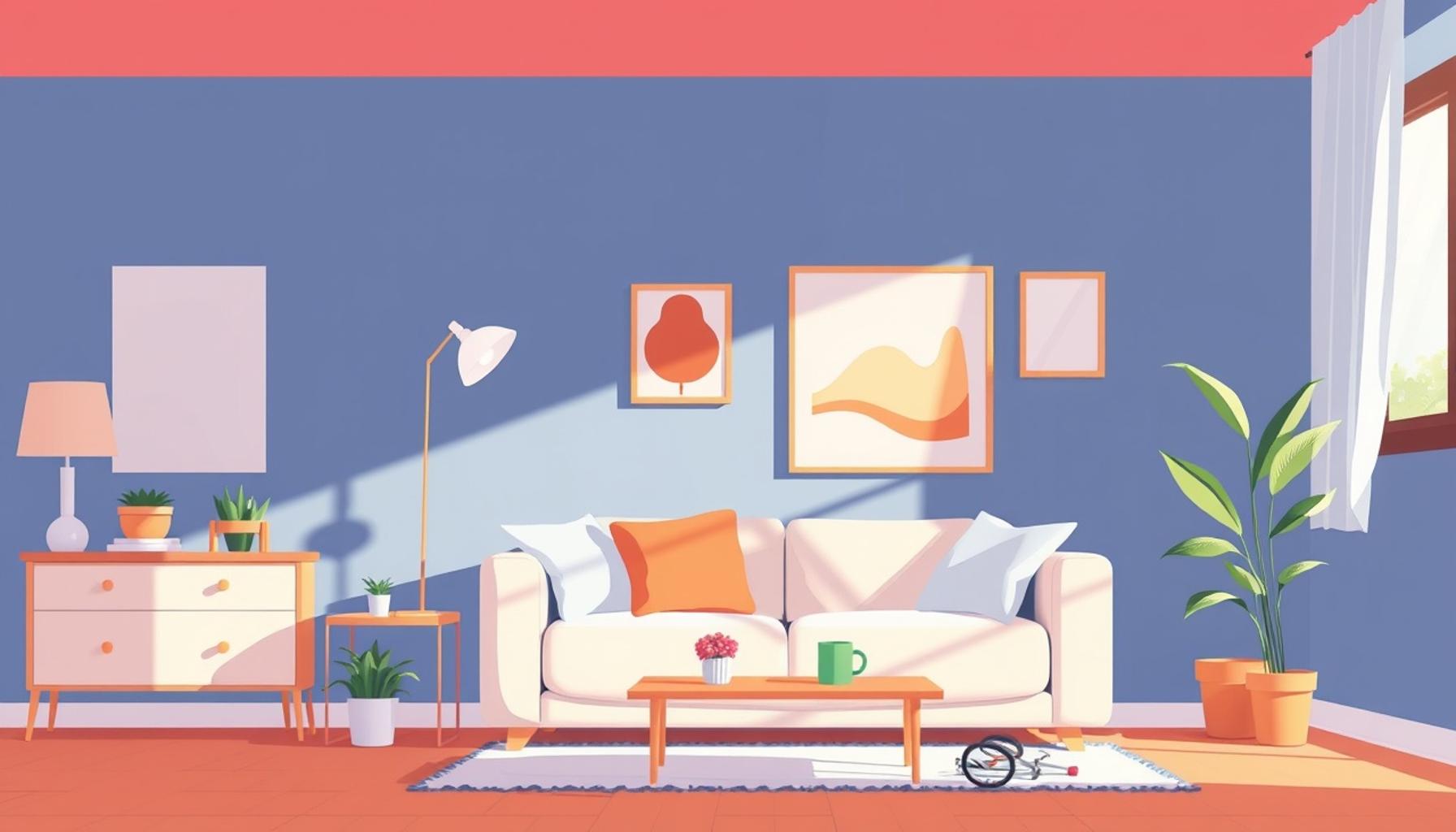
- Decluttered Spaces: Physical clutter can often manifest as mental chaos. Studies have shown that individuals living in well-organized, clutter-free environments report lower levels of stress. For example, participants in a study conducted by UCLA found that women in homes filled with clutter had higher levels of the stress hormone cortisol. By removing unneeded items, individuals can create serene and tranquil spaces that contribute positively to mental clarity.
- Simplified Choices: The paradox of choice illustrates how an abundance of options can lead to decision fatigue. In American culture, where choices can be overwhelming—from the myriad of products in grocery aisles to career pathways—it can be refreshing to streamline decisions. Minimalism encourages limiting choices to what truly matters, which can significantly reduce anxiety. For instance, many who embrace a capsule wardrobe—comprised of a small number of versatile clothing items—report feeling less stressed about daily outfit decisions, making mornings more manageable.
- Intentional Living: Minimalism pushes individuals to consider the values and priorities that underpin their daily activities. By aligning actions with personal values, such as spending time on meaningful activities or cultivating relationships, people report increases in overall satisfaction and happiness. A poignant example comes from those who choose to downsize their living situations, focusing more on experiences rather than material possessions.
Recent studies validate the emotional benefits of minimalism. Research published in the Journal of Environmental Psychology indicated that individuals who engaged in decluttering practices experienced significant reductions in anxiety and stress. Furthermore, a survey conducted in the United States revealed that minimalist lifestyle changes, such as reducing screen time and downsizing living spaces, positively correlated with improved mental health outcomes.
As we delve into the intersection of minimalism and emotional well-being, the real-life narratives of individuals who have embraced this lifestyle reveal profound transformations. Many have found solace in simplicity, uncovering not only a sense of inner peace but also a newfound clarity of purpose. This exploration remains a crucial consideration for those seeking a more peaceful and balanced life, amidst the chaos of modern existence.
DISCOVER MORE: Click here to learn about the psychology of space
Core Principles of Minimalism and Their Emotional Benefits
The heart of minimalism lies in its core principles, which extend far beyond the physical act of decluttering. These principles work together to create a lifestyle that not only simplifies external surroundings but also cultivates internal serenity. As individuals delve into minimalism, they often experience a transformative effect on their emotional health, leading to reductions in anxiety, stress, and other emotional disorders. Here are some fundamental elements of minimalism that contribute to improved emotional well-being:
- Mindful Consumption: Minimalism encourages consumers to evaluate their purchasing habits critically. In an age dominated by advertising, buying products often becomes impulsive and disconnected from one’s needs. By practicing mindful consumption, individuals learn to question whether an item will contribute to their happiness or simply add to their anxiety. This intentional approach not only promotes financial freedom but also fosters a deeper appreciation for the things one chooses to keep, ultimately leading to contentment and reduced feelings of emptiness.
- Reduced Digital Overload: In today’s tech-driven society, digital clutter can be just as overwhelming as physical clutter. Notifications, social media feeds, and an incessant barrage of information can contribute to heightened stress levels. Minimalism advocates for a reduction in screen time and the intentional curation of digital interactions. Individuals who limit their digital consumption often report clearer minds and better focus, creating space for genuine connections and valuable activities.
- Prioritization of Relationships: Many minimalists emphasize the importance of relationships over possessions. By simplifying life, they can devote more time and energy to meaningful connections with family and friends. Research shows that strong social connections can lead to better mental health outcomes, highlighting how minimalism can indirectly alleviate emotional disorders by nurturing supportive relationships.
Exploring the positive implications of minimalism reveals fascinating data on its potential to mitigate emotional disorders. A survey conducted by the Pew Research Center found that nearly 75% of respondents who adopted minimalist principles experienced lower levels of anxiety and higher overall life satisfaction. Furthermore, individuals who engage in regular decluttering and simplify their daily routines report a more significant sense of control over their lives, a crucial element in counteracting feelings of helplessness often associated with emotional disorders.
As more people in the United States look to minimalism as a viable solution for emotional distress, anecdotal evidence appears alongside research, illustrating how the practical application of minimalism can lead to profound changes. From a young professional reducing distractions to create a more focused work environment to families downsizing in pursuit of more quality time together, these narratives reflect a collective journey towards clarity and emotional stability. By embracing minimalism, many are discovering not only the allure of simplicity but also an empowering path to balance in an increasingly complex world.
The Influence of Minimalism on Reducing Emotional Disorder
In an increasingly chaotic world, many individuals are turning to minimalism as a strategy to alleviate emotional turmoil. It encompasses not just physical decluttering but also mental simplification. By adopting minimalist practices, one can significantly influence their mental health, leading to reduced anxiety and improved emotional stability.
Modern psychology supports exploring how minimizing distractions and maintaining a clear environment can enhance focus and promote a state of calmness. Remarkably, studies have suggested that minimalism can lower levels of cortisol, the stress hormone, thereby mitigating feelings of worry and emotional disorder. Additionally, the practice encourages mindfulness—staying present in the moment and appreciating life’s simplicity—which positively impacts overall well-being.
Decluttering one’s physical space often leads to a similar decluttering of the mind. Individuals find that letting go of excess belongings encourages them to reflect on what truly matters, ultimately fostering a sense of purpose and direction. Incorporating minimalistic design into everyday life, such as opting for a more subdued color palette or simplifying routines, can also directly contribute to mental tranquility.
| Advantages | Description |
|---|---|
| Clarity and Focus | A minimalist lifestyle promotes mental clarity, allowing individuals to concentrate on what truly matters. |
| Reduced Stress | Eliminating clutter helps decrease anxiety levels and foster a sense of peace in one’s environment. |
This growing trend in minimalism not only inspires individuals to simplify their surroundings but also acts as a powerful tool for those facing emotional disorders. By understanding and implementing minimalist principles, individuals can cultivate environments that nurture emotional well-being and foster resilience against stress and anxiety.
Further exploration into the philosophical aspects of minimalism may also reveal its deep connections to various cultural practices that promote mental wellness and emotional stability. Engaging with these perspectives can significantly enhance one’s journey towards emotional balance and fulfillment.
DISCOVER MORE: Click here to delve deeper
How Minimalism Transforms Daily Routines and Emotional Health
The transition to a minimalist lifestyle often prompts substantial shifts in daily routines, which in turn can significantly impact emotional health. By consciously choosing to prioritize simplicity, individuals find themselves adopting habits that foster well-being, leading to a more resilient mental state. Here are some ways minimalism reshapes everyday life, contributing to emotional stability:
- Simplified Routines: One of the most immediate effects of minimalism is the simplification of daily routines. By reducing the number of tasks and obligations, individuals can allocate their time more efficiently, minimizing the chaos often associated with overly busy lives. Studies show that individuals who adopt streamlined habits experience lower stress levels, leading to a pronounced decrease in feelings of anxiety and emotional overload. Consequently, this shift can inspire a newfound sense of purpose and direction.
- Enhanced Focus on Personal Goals: Minimalism encourages a clarity that allows individuals to align their actions with personal values and long-term objectives. By letting go of distractions and excess commitments, they create the mental space necessary to engage in goal-oriented activities. This focus not only fosters a feeling of accomplishment but also serves as an antidote to the feelings of inadequacy and frustration that often accompany emotional disorders.
- Increased Mindfulness and Presence: The practice of minimalism inherently promotes mindfulness, the act of being present in the moment. By minimizing clutter in their physical and mental spaces, individuals can cultivate a sense of calm and awareness. Regularly practicing mindfulness can activate the body’s relaxation response, reducing instances of anxiety and elevating overall mood. Many find that incorporating mindfulness techniques into their minimalist routines, such as meditation or yoga, provides a structured way to enhance emotional resilience.
The importance of these lifestyle changes is corroborated by studies from the American Psychological Association, indicating that simpler living corresponds with lower instances of emotional distress. In fact, individuals practicing minimalism reported feeling more grounded and optimistic, with nearly 65% affirming that they perceived life events more positively, thanks to a less cluttered perspective.
Employer-sponsored wellness programs across the United States have also begun to recognize the advantages of minimalistic principles. Many companies now offer mindfulness training as part of their employee assistance programs, a nod to the shift toward minimalism in the corporate world. As workplaces prioritize mental health through simplified work environments and reduced digital connectivity, employees report reduced burnout and enhanced job satisfaction. This evolution in corporate health culture highlights the growing acknowledgment that mental well-being directly influences productivity and organizational success.
Additionally, the connection between minimalism and emotional health is becoming a prominent theme in community initiatives. Various workshops and seminars are emerging in urban areas, promoting minimalism as a strategy to combat mental health issues amid the fast-paced American lifestyle. Participants learn not only about decluttering but also about reshaping their relationships with material possessions, technology, and even their routines. These community-based efforts demonstrate a collective movement toward embracing minimalism as a holistic solution for emotional disorders, creating ripples of positive change.
Ultimately, the transformative journey of adopting minimalism showcases not only tangible benefits but also profound shifts in mindset. As individuals simplify their lives, they can reclaim emotional stability, unlocking their potential to live fulfilled, engaged lives. The ongoing discourse around minimalism and its impact on emotional well-being invites further exploration and understanding, firmly establishing minimalism as a key player in the quest for mental health solutions.
DISCOVER MORE: Click here to dive deeper
Conclusion: The Power of Minimalism in Emotional Well-Being
As we delve deeper into the influence of minimalism on reducing emotional disorder, it becomes evident that the principles of simplicity extend far beyond mere aesthetics or lifestyle choices. Minimalism serves as a transformative approach that tackles the complexities of modern life by stripping away the nonessential and focusing on what truly matters. The overwhelming chaos of our fast-paced society often exacerbates emotional struggles, yet by adopting minimalist practices, individuals can cultivate environments that promote mental clarity and emotional stability.
Through streamlined routines, enhanced focus on personal goals, and increased mindfulness, individuals not only manage their stress levels more effectively but also navigate life’s challenges with a renewed sense of purpose. The integration of minimalism into everyday life has shown promising correlations with improved mental health outcomes, underscoring a collective movement towards prioritizing emotional wellness over material accumulation.
Moreover, the increased presence of community initiatives and workplace wellness programs recognizing the benefits of minimalism highlights its growing relevance in today’s landscape. As people engage in workshops that promote simplified living, they also learn valuable strategies to reshape their relationships with stressors, whether they are physical possessions or overwhelming commitments.
In conclusion, the journey toward a minimalist lifestyle is not just about decluttering one’s space but also about liberating the mind from the clutter of emotional disorder. By embracing this path, individuals unlock pathways to greater resilience and fulfillment. As the conversation around minimalism continues to evolve, it invites us to reassess our own lives, encouraging us to question the role of excess, and inspiring an exploration of emotional resilience in an increasingly chaotic world.