
The Connection Between Strength Training and Mental Health
In recent years, the discussion on mental health has gained unprecedented attention. However, the role of physical fitness, particularly strength training, in enhancing mental well-being often remains underexplored. Research suggests that incorporating strength training routines can lead to significant improvements in both emotional and cognitive health. This trend is gaining traction in the United States, where more people are turning to holistic approaches to health.
Why is Strength Training Essential for Mental Health?
Understanding the connection between physical fitness and mental health can inspire individuals to adopt strength training as a regular practice. Here are some key points that highlight its benefits:
- Reduces Symptoms of Anxiety and Depression: Numerous studies indicate that engaging in regular strength training can alleviate feelings of anxiety and depression. For instance, a 2018 study published in the journal JAMA Psychiatry found that individuals who engaged in at least one hour of strength training per week were less likely to suffer from depression compared to those who did not. This natural remedy offers a compelling alternative to medication, particularly for those seeking to enhance their emotional resilience.
- Boosts Self-Esteem and Confidence: As individuals progress in their strength training journey, achieving fitness goals—be it lifting heavier weights or completing more repetitions—contributes significantly to their self-worth. The act of setting and accomplishing these targets fosters a sense of empowerment. Many people report feeling more confident in various areas of their lives, from personal relationships to professional endeavors, as they witness their physical transformation.
- Enhances Cognitive Function: The positive effects of strength training extend beyond physical attributes to cognitive benefits as well. Research has demonstrated that regular resistance training can enhance focus, memory, and decision-making skills. For example, a study noted that elderly participants who engaged in regular strength training displayed improved cognitive abilities compared to their sedentary counterparts, underscoring the lasting impacts on brain health.
- Promotes Stress Relief: Physical activity, including strength training, helps release endorphins, which act as natural stress relievers. Many individuals report that post-workout feelings of euphoria, commonly known as the “runner’s high,” also apply to resistance training. This phenomenon not only helps reduce stress levels but also enhances mood, making it a valuable tool for managing everyday pressures.
As the conversation around mental health evolves, it becomes increasingly evident that physical fitness plays a crucial role in fostering overall well-being. The integration of strength training into daily routines represents a promising avenue for individuals seeking alternatives to conventional therapies. By embracing strength training, countless individuals across the United States can discover a pathway to not only improve their physical strength but also elevate their mental health. Now is the perfect time to explore how lifting weights can lift your spirits and empower your life.
DIVE DEEPER: Click here to explore hybrid workout routines
Unpacking the Psychological Benefits of Strength Training
The compelling relationship between strength training and mental health cannot be overstated. As mental health challenges continue to rise in society, understanding the transformative potential of physical activity becomes more pertinent. Strength training, often underestimated, emerges as a powerful tool that not only builds muscle but also fortifies psychological resilience. Exploring the psychological benefits of this practice reveals exciting insights into how weights can serve as a mechanism for improving mental well-being.
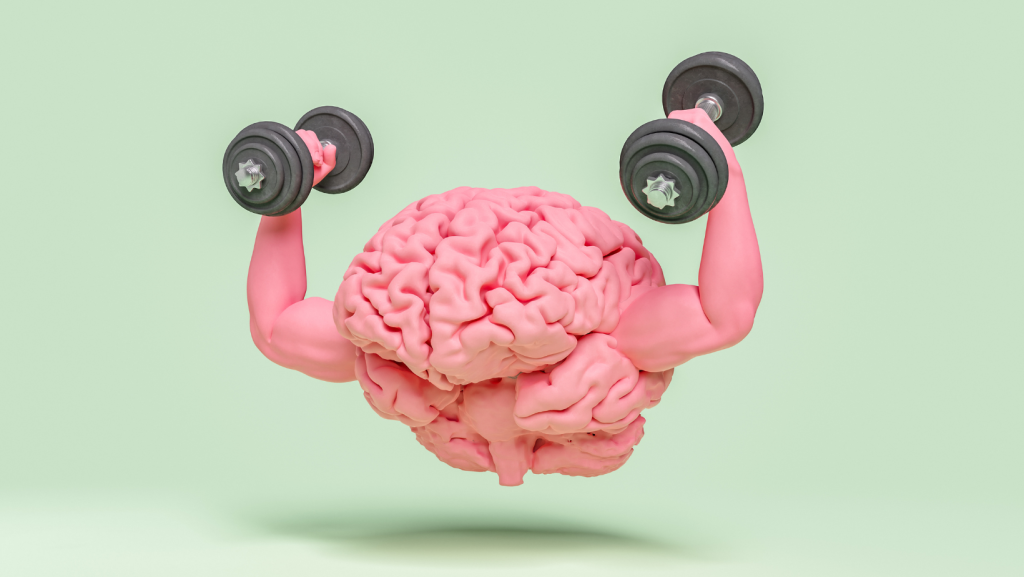
The Science Behind Strength Training and Mental Health
Numerous research studies have unequivocally linked strength training to enhanced mental health outcomes. Here are some crucial insights that illustrate how lifting weights can reshape our mental landscape:
- Increased Neurotransmitter Production: Strength training stimulates the production of neurotransmitters such as serotonin, dopamine, and norepinephrine. These chemicals play vital roles in mood regulation and overall emotional stability. By naturally boosting these mood-lifting chemicals, individuals may find increased relief from symptoms commonly associated with mental health issues.
- Creates a Sense of Routine and Structure: Regular strength training can instill a sense of discipline and routine, which can be particularly beneficial for those struggling with mental health challenges. Establishing this structure helps to combat feelings of chaos or unpredictability, giving individuals a sense of control over their lives. Routine itself can serve as a therapeutic tool that promotes well-being.
- Supports Social Interaction: Many people engage in strength training in groups or classes, fostering social connections and reducing feelings of isolation. The camaraderie built in fitness settings can lead to improved emotional bonds and support systems, which are critical for individuals dealing with mental health challenges. These social networks serve as foundations for emotional support, enhancing resilience.
- Improves Sleep Quality: Quality sleep is intertwined with mental health, yet many individuals facing stress or anxiety struggle with sleeplessness. Engaging in strength training has been shown to enhance the quality of sleep, thereby allowing for better recovery and emotional regulation. Improved sleep patterns can significantly affect mood, concentration, and stress levels.
With the increasing acknowledgment of mental health as a crucial aspect of overall well-being, strength training is positioning itself as an accessible and effective method for self-improvement. As many people across the United States are realizing the diverse benefits of physical exercise, the integration of strength training into their routines is an essential step toward a healthier mind and body. Embracing this workout approach can result in profound shifts, not only physically but also psychologically, as individuals begin to perceive their strength in a whole new light.
| Category | Details |
|---|---|
| Improved Mood | Strength training has been shown to significantly enhance mood by releasing endorphins, which promote feelings of happiness and euphoria. |
| Cognitive Function | Engaging in regular strength workouts can lead to better focus and memory, ultimately enhancing mental clarity and reducing feelings of anxiety. |
| Stress Reduction | Strength training acts as a healthy outlet for stress management, allowing individuals to channel their frustrations and anxieties constructively. |
Incorporating strength training into your regular exercise routine can yield transformative changes for mental health. As research increasingly supports its benefits, individuals experiencing frequent stress, anxiety, or depression can find relief through consistent weight lifting. The physiological changes resulting from strength training, such as increased muscle mass and improved metabolism, contribute significantly to overall brain health.Moreover, communities centered around strength training foster social interactions that can combat feelings of isolation. Studies indicate that participating in group workouts enhances emotional well-being, connecting individuals through shared goals and achievements. These connections form an essential support system, proving that strength training extends beyond physical advancement—it enriches the entire mental landscape. The future of mental health management may indeed lie in the weights.
DISCOVER MORE: Click here to learn about innovative strength training methods for seniors
Transforming Self-Perception Through Strength Training
Engaging in strength training not only has physiological impacts but also plays a crucial role in shaping self-perception and self-esteem. It is often said that when individuals feel stronger physically, they also begin to perceive themselves as capable and resilient. This transformation in self-image can have lasting effects on one’s mental health. As participants embark on a strength training journey, they often experience significant changes in their body, appearance, and capabilities, which directly correlate with improved mental states.
Boosting Self-Efficacy and Confidence
One of the most immediate psychological benefits of engaging in strength training is the enhancement of self-efficacy – the belief in one’s ability to succeed in specific situations. When individuals set and achieve fitness goals, like lifting a certain weight or completing a challenging workout, they boost their confidence. These small victories can lead to a powerful mindset shift, empowering individuals to approach other life challenges with increased determination. Scientific literature reveals that higher self-efficacy is linked to reduced anxiety, lower perceived stress, and improved overall mood. Therefore, a robust strength training routine can create a foundation for a more positive self-view.
Reducing Symptoms of Anxiety and Depression
Evidence supports the idea that strength training can significantly alleviate symptoms of anxiety and depression. According to the Anxiety and Depression Association of America (ADAA), about 40 million adults in the United States suffer from anxiety disorders. Engaging in systematic strength training has been identified as an effective intervention. The repetitive nature of exercises also enables a meditative state, allowing individuals to focus on physical form and movement, which can facilitate temporary relief from negative thoughts and feelings.
Mindfulness and Mental Fortitude
Strength training encourages a unique blend of physical exertion and mindfulness. Athletes often highlight how intense workouts require them to be mentally present, focusing on every lift and motion. This practice of mindfulness cultivates a greater sense of connection with oneself. Research indicates that mindfulness not only helps in managing stress but also reduces emotional fatigue. Integrating mindfulness into strength training can lead to enhanced mental fortitude, equipping individuals with the tools to face everyday stressors more effectively.
Long-Term Commitment to Mental Well-Being
Establishing a long-term commitment to strength training can create sustainable shifts in mental health. The mental discipline honed through regular weightlifting can translate into other areas of life, aiding in perseverance and goal-setting. Moreover, community-based strength training programs, such as those offered by local gyms and wellness centers, contribute to fostering long-lasting social and emotional bonds, thereby enhancing the overall community’s mental well-being. As people draw strength from one another, they build collective resilience, creating a more supportive environment for dealing with mental health challenges.
Ultimately, embracing strength training is not just about physical strength, but also about nurturing mental health, promoting social connections, and fostering resilience. In recognizing the importance of this practice, individuals can harness the power of weights to transform both their bodies and minds, paving the way for a healthier, more fulfilling life.
LEARN MORE: Click here to discover the impact of age on muscle growth
Emphasizing the Link Between Physical Strength and Mental Resilience
In conclusion, strength training emerges as a vital component not only for physical health but also for enhancing mental well-being. The process of lifting weights fosters a profound transformation, affecting how individuals perceive themselves and their capabilities. As discussed, the positive ripple effects include increased self-efficacy, reductions in anxiety and depression symptoms, and an improvement in mindfulness practices. These factors collectively foster a stronger mental state, helping individuals to better navigate the challenges of everyday life.
Moreover, establishing a committed practice with strength training forms long-standing habits that extend beyond the gym. The skills cultivated through muscle training, such as perseverance, discipline, and the ability to set and achieve goals, translate into other life areas, enriching personal and professional realms. Strength training also creates a community space where support and shared experiences can flourish, further enhancing emotional health.
As the conversation around mental health continues to gain prominence, integrating strength training into lifestyle choices becomes crucial. Those seeking improvement in their mental health should not overlook the data-driven benefits of this practice. It is not merely about building a stronger physique; it’s about nurturing resilience and fostering a profound connection to oneself. As individuals increasingly explore this intersection of strength and mental health, they can unlock pathways to not only a healthier body but also a more fulfilling, balanced life.

Beatriz Johnson is a seasoned fitness specialist and writer with a passion for simplifying the complexities of strength training and gym workouts. With over a decade of experience in the fitness industry, she specializes in topics like weight training techniques, workout programming, and exercise science principles. Through her work, Beatriz empowers readers to make informed fitness decisions, build sustainable training habits, and stay ahead in their journey toward stronger, healthier bodies.