The Importance of Personal Space: How to Create a Minimalist Refuge at Home
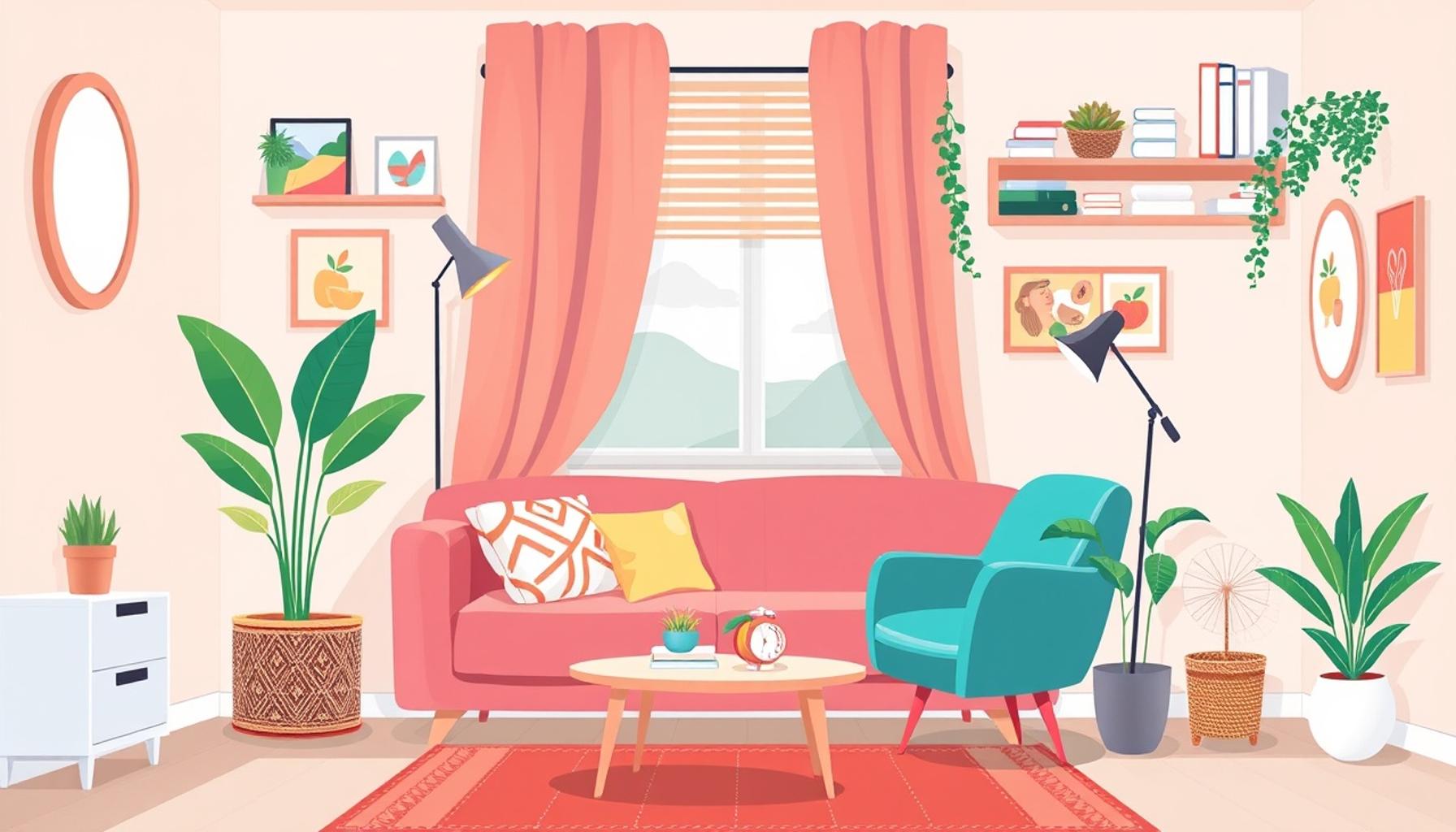
The Importance of Personal Space
Finding a sanctuary amidst the chaos of daily life is essential for mental and emotional wellbeing. Creating a designated area in the home that serves as a minimalist refuge can provide a sense of peace. This space allows individuals to recharge, reflect, and organize their thoughts, which is crucial in today’s fast-paced environment. The significance of personal space extends beyond mere aesthetics; it dives deep into psychological health, influencing our ability to cope with stressors that pepper our everyday lives.
In a world where distractions abound, personal space has become more vital than ever. Consider these key benefits:
- Enhanced Focus: A clutter-free environment promotes concentration and productivity. Numerous studies have shown that individuals working in neatly organized spaces perform tasks more effectively. For example, a student studying in a tidy room is less likely to be sidetracked by visual clutter, allowing them to engage deeply with their material.
- Stress Relief: Retreating to a tranquil space can significantly lower anxiety levels. According to the American Psychological Association, environments with minimal distractions facilitate better stress management. Even a few moments spent in a well-curated nook can serve as an oasis for those grappling with daily pressures, making it easier to face challenges head-on.
- Improved Creativity: A minimalist setting fosters a clear mind, sparking innovative ideas. Artists and thinkers alike often find inspiration in simplicity. For instance, creative professionals might seek quiet corners in their homes to keep away from the visual noise, allowing their imaginations to flourish unobstructed.
While it may seem challenging to carve out personal space, especially in smaller homes or busy households, it is entirely achievable. Here are some strategies to consider:
- Create distinct zones in your home. Designate a specific area for relaxation, work, and other activities, even if it means choosing a corner of a room for each purpose.
- Limit possessions to essentials. Adopting a minimalist approach encourages mindfulness about what items truly add value, leading to a more harmonious living environment.
- Incorporate natural elements like plants to enhance tranquility. Studies have shown that greenery not only beautifies space but also improves mental health and productivity.
By understanding the importance of personal space, you can cultivate an environment that supports your lifestyle. In the following sections, we will explore how to effectively design your minimalist refuge at home. This approach ensures it aligns with your unique needs and preferences, creating a personal sanctuary where you not only exist but thrive. Start envisioning how you can create your escape, one that reflects not just your style but also serves as a powerful tool for your well-being.
Crafting Your Personal Sanctuary
Understanding the fundamental principles of personal space is key to creating a minimalist refuge in your home. Personal space is not just a physical concept; it embodies a realm of comfort and security that influences an individual’s emotional and mental state. In the quest for a minimalist lifestyle, the essence lies in intentionality—choosing how to allocate physical and mental energies within your environment. Embracing a minimalist design can help in cultivating this serene awareness, promoting a nurturing atmosphere where personal well-being thrives.
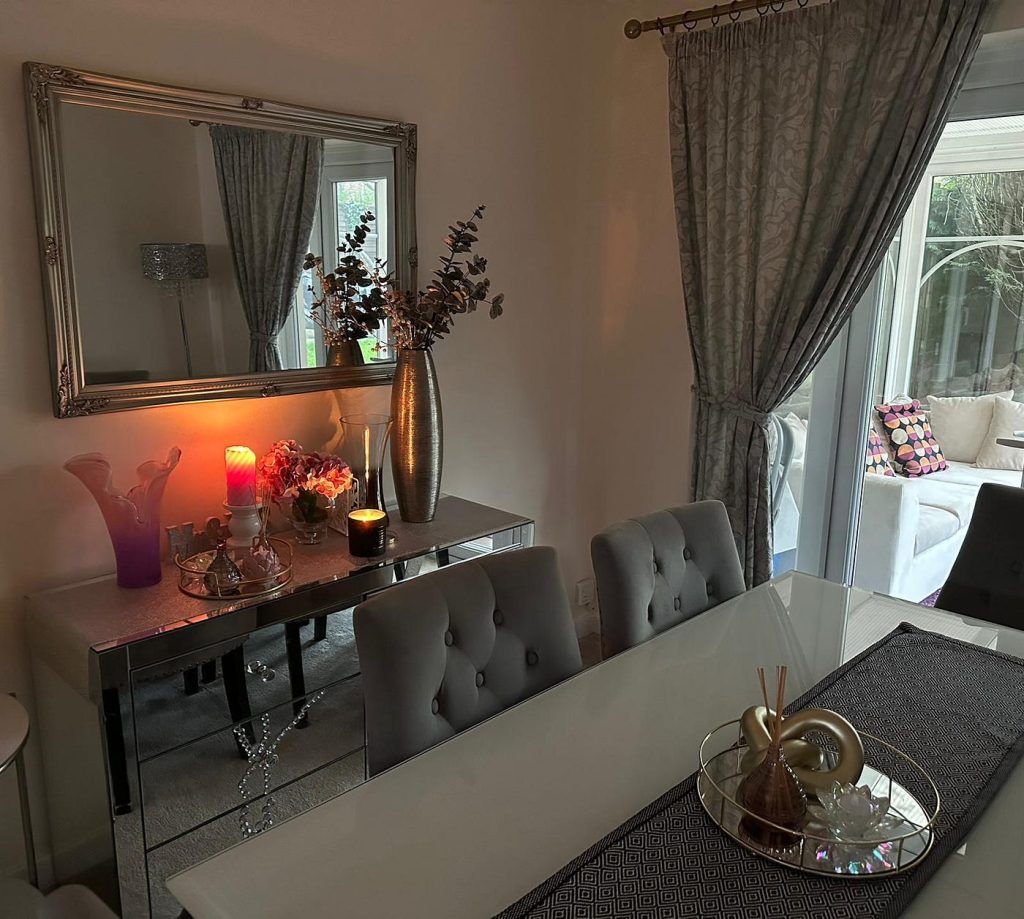
To embark on the journey of transforming your home into a minimalist refuge, consider the following essential steps that resonate with the concept of personal space:
- Evaluate Your Environment: Begin by assessing the areas of your home that evoke both peace and discomfort. Identify spaces loaded with clutter or distractions that hinder relaxation. A simple inspection can reveal spaces that are underutilized yet hold the potential for sanctuary.
- Establish Clear Boundaries: When designing your personal sanctuary, it’s important to set physical and emotional boundaries. This could mean utilizing physical dividers, such as bookshelves or curtains, to create distinct areas for various activities like reading or meditation. By segmenting spaces, you encourage the mind to associate certain areas with specific functionalities, enhancing focus and relaxation.
- Curate Meaningful Decor: In a minimalist refuge, every item must be deliberate and meaningful. Opt for decor that reflects your personality and contributes to a calming atmosphere. Research suggests that personal touches, such as artwork or photographs, can foster positive emotions. However, practice restraint; fewer items will prevent visual chaos and maintain tranquility.
- Prioritize Multi-Functionality: In a minimalist approach, it’s advantageous to invest in furniture or accessories that serve more than one purpose. An ottoman that doubles as a storage unit, or a desk that can transform into a dining space, allows you to maximize utility without overcrowding your environment.
The goal is to build a space that resonates with your individual needs while minimizing distractions. A minimalist refuge can be as simple as a cozy corner with a comfortable chair, soft lighting, and a few cherished books. This space should be a reflection of you—a haven where you can mentally recharge and find peace. By embracing these principles, you position yourself to foster an enriching home environment that encourages mindfulness and serenity.
As we further explore the anatomy of a minimalist refuge, reflect on how you can implement these steps into your own living spaces. Stay tuned for insights into optimizing your environment and deeper discussions on the benefits of personal space.
The Benefits of Creating a Minimalist Refuge
In today’s fast-paced world, the need for personal space has never been more critical. Understanding the importance of personal space not only enhances our well-being but also fosters creativity and productivity. By creating a minimalist refuge at home, individuals can experience numerous advantages that contribute to a peaceful and organized lifestyle. Below is a detailed table highlighting the key benefits and features of establishing such a space:
| Category | Details |
|---|---|
| Aesthetic Value | A minimalist space enhances visual appeal, creating a serene atmosphere. |
| Mental Clarity | Reducing clutter leads to improved focus and less stress, promoting mental clarity. |
| Functionality | A minimalist design allows for better functionality and ease of navigation within the space. |
| Emotional Well-Being | Creating a personal sanctuary fosters a sense of security and emotional stability. |
By implementing these minimalist principles, you can transform your living space into a retreat that not only looks appealing but also enhances your daily life. Embrace the journey to create your personalized haven today!
Fostering Mindfulness in Your Space
Creating a minimalist refuge goes beyond mere aesthetics; it’s about nurturing mindfulness and cultivating a sense of presence in your life. One effective way to achieve this is through the deliberate configuration of your environment. The spaces you inhabit significantly impact your mental clarity and emotional well-being. Therefore, it is important to refine your home not just as a physical space, but as a holistic experience that encourages tranquility.
To enhance mindfulness within your personal sanctuary, consider incorporating the following principles:
- Incorporate Natural Elements: Nature has a profound effect on mental well-being. Integrating elements such as plants, stones, or natural light into your home fosters a connection to the outdoors, which can be soothing and restorative. Studies show that exposure to nature can reduce stress levels and improve mood. Simple additions like indoor plants or a window view of a garden can significantly enhance your quality of life.
- Embrace Silence and Sound: The auditory environment of your home plays a crucial role in shaping your personal space. Silence can be a sanctuary in itself, allowing for introspection and calm. However, creating a peaceful audio backdrop, such as gentle instrumental music or nature sounds, can also uplift the ambiance. Consider investing in a sound machine or curated playlists that invite relaxation and focus, transforming your refuge into a multisensory haven.
- Design for Comfort: Comfort is essential in a personal sanctuary. Evaluate seating, bedding, and textures in your space to ensure they invite relaxation. Select soft fabrics, ergonomic furniture, and supportive pillows that provide physical comfort. Research indicates that sensory comfort directly contributes to well-being; thus, your space should feel inviting, making it a place you genuinely want to retreat to.
- Engage in Routine Clarity: Routines can offer stability in a chaotic world. Develop consistent rituals that align with your personal sanctuary, such as morning meditation, evening reflection, or designated quiet times. By grounding your activities within your environment, you enhance mindfulness and create a mental association between your physical space and moments of clarity.
In the fast-paced world of the United States, where distractions are abundant, returning to a minimalist refuge can be a game changer. It’s an opportunity to rediscover yourself amid the noise. For instance, think of a home office transformed into a calming workspace by simply integrating soft lighting and essential oils. This shift not only inspires productivity but also reflects intentionality, allowing work to coexist with personal wellness.
Furthermore, the minimalist approach isn’t just about reducing what you have; it’s about selecting what you keep in a way that lifts your spirit. Objects associated with positive memories should be prioritized, as they help maintain emotional connections while also eliminating unnecessary clutter. This delicate balance can keep your living space as a reflection of your journey rather than a container of the mundane.
As you deepen your engagement with personal space, remember that a minimalist refuge should evolve with you. Embrace changes in your lifestyle, interests, and needs, allowing your sanctuary to adapt while maintaining its essence of tranquility. Engaging with your surroundings in a mindful way not only enhances your home but also profoundly influences your overall well-being.
Conclusion: Embracing Your Minimalist Refuge
In a world inundated with distractions and overstimulation, the importance of personal space becomes increasingly clear. A thoughtfully designed minimalist refuge at home not only serves as a sanctuary for relaxation but also fosters mental clarity and emotional well-being. By incorporating natural elements, embracing sound, and prioritizing comfort, you can create an environment that resonates with peace and intentionality. Remember, it’s not just about what you choose to keep, but how those choices reflect your journey and aspirations.
Moreover, integrating mindfulness into your space allows for moments of introspection and rejuvenation. The practices of setting routines, engaging with nature, and curating your surroundings can significantly amplify your overall wellness. As you explore this minimalist lifestyle, consider how each decision—however small—can transform your home into a nurturing retreat tailored to your evolving needs.
Ultimately, your home is a canvas to express who you are and what you value. By returning to a minimalist philosophy, you open the door to simplicity and serenity in your daily life. Take the time to reflect, refine, and reconnect with your surroundings, creating a space that feels inviting and uplifting. Your refuge is a powerful testament to self-care, and in prioritizing this personal space, you are investing in your well-being and happiness.

Linda Carter is a writer and organization expert specializing in minimalism and personal organization. With extensive experience helping individuals create clutter-free, functional spaces and adopt mindful habits, Linda shares her knowledge on our platform. Her goal is to empower readers with practical advice and strategies to simplify their lives, stay organized, and achieve a sense of calm and balance in their daily routines.