
The Impact of Intentional Decisions on Creating a Minimalist and Cozy Space

Understanding Minimalism and Coziness
Creating a space that feels both minimalist and cozy is more than just a design choice; it’s a lifestyle decision. As individuals navigate increasingly cluttered lives, the quest for simplicity becomes paramount. Minimalism is not merely an aesthetic but a philosophy that encourages us to prioritize what truly matters in our surroundings. This shift in mindset can drastically affect how spaces are perceived and utilized, leading to not just visually appealing areas, but also emotionally fulfilling environments.
Decluttering for Serenity
Decluttering is a fundamental aspect of achieving a minimalist yet cozy atmosphere. The process involves critically assessing one’s possessions and removing items that do not serve a functional or emotional purpose. For instance, consider a living room filled with mismatched decor and unused furniture. By clearing out these unnecessary items and choosing a few select pieces that resonate with your personality, you create an open and inviting space. The Japanese concept of Ma, which refers to the presence of space, can bring a sense of peace and tranquility, making a room feel larger and more welcoming.
Choosing Inviting Color Palettes
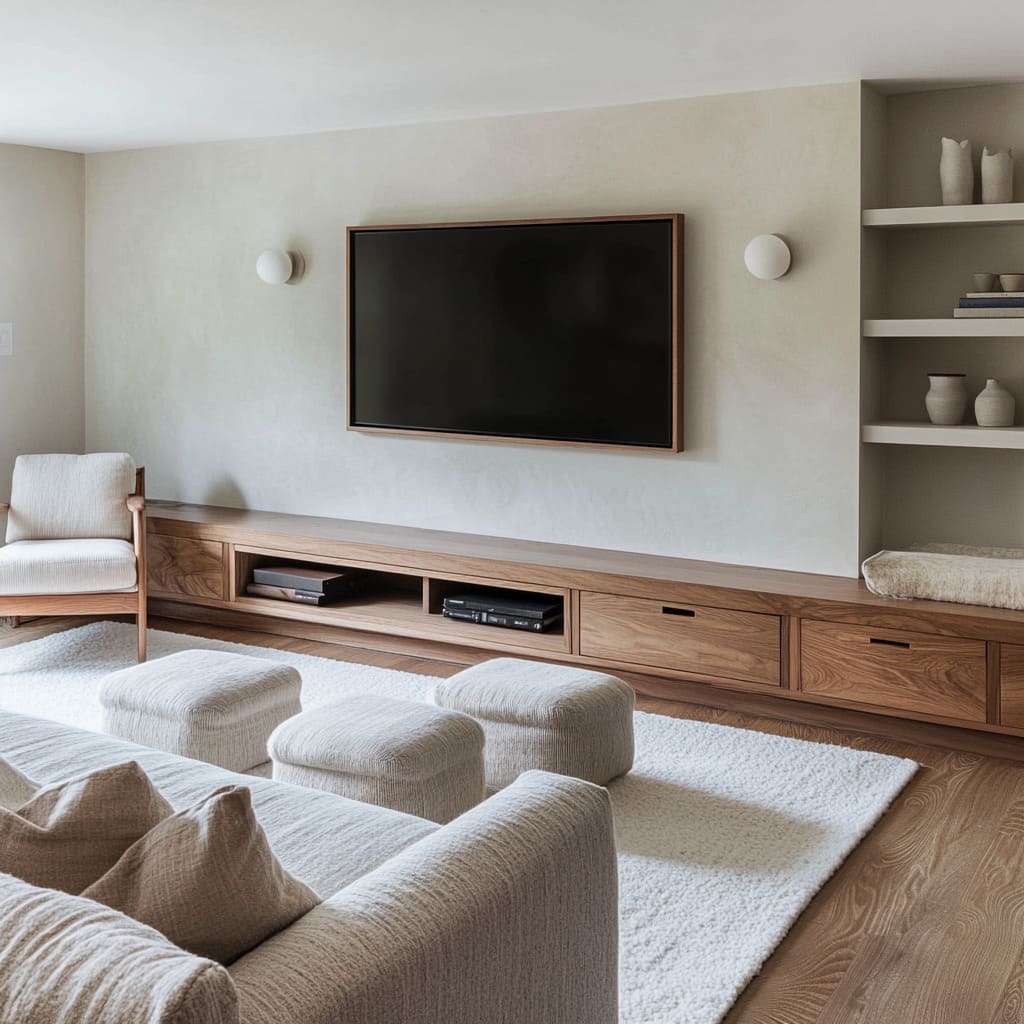
Another pivotal element is the selection of color choices. Soft, neutral palettes, such as shades of beige, gray, and pastel tones, foster a relaxing ambiance. These hues have the remarkable ability to reflect light, making spaces appear more open while simultaneously offering warmth. Adding accents of deeper colors through decor items—like cushions or art—can introduce depth without overwhelming the senses. This thoughtful balance not only enhances the visual appeal but also contributes to a comforting environment.
Incorporating Cozy Textiles
The role of textiles in achieving coziness cannot be overlooked. Fabrics such as wool, cotton, or even linen evoke warmth and comfort. Consider layering textiles through throws on a sofa or plush rugs underfoot. These elements invite touch and contribute to a lived-in feel. For instance, a well-placed knit blanket can soften the sharp edges of a modern coffee table while providing a cozy place to snuggle up with a book. Incorporating various textures can draw the eye and keep interiors from feeling sterile.
Thoughtful Spatial Arrangements
Spatial arrangement also plays a crucial role in cultivating intimacy within minimalist designs. By carefully positioning furniture to facilitate conversation and activity flow, each area of a room becomes more functional. For example, a small dining table surrounded by comfortable chairs encourages family gatherings while optimizing space. Consider using multifunctional furniture, like ottomans that double as storage, to maintain the balance of simplicity and utility.
Embracing a Values-Driven Lifestyle
In a society often obsessed with excess, making purposeful design choices can help reflect personal values and priorities. The minimalist movement emphasizes quality over quantity, urging us to reflect on our need for material goods. This conscious approach not only results in more aesthetically pleasing spaces but also renders them supportive of a lifestyle that champions clarity and emotional fulfillment.
As we delve deeper into the art of balancing simplicity with comfort, we uncover how even small changes can lead to a more meaningful living experience. Each choice—from decluttering your living space to selecting textiles—adds layers to your home’s narrative and warmth. Join us on this journey to explore innovative strategies to transform your environment into a cozy haven that resonates with your individuality.
Intentionality in Design Choices
The journey towards creating a minimalist and cozy space begins with intentional decision-making. Each item selected for a home must serve a purpose and resonate with the inhabitant’s personal taste. This concept extends beyond mere aesthetics; it addresses the emotional connection one has with their environment. By making concentrated efforts in decision-making, individuals can cultivate spaces that are not just functional but also reflective of their unique identities.
The Power of Purposeful Selection
When designing a space, the essence of purposeful selection can radically transform how areas are utilized. Every object in a room—from furniture down to decorative accessories—should evoke a sense of connection. To this end, consider these pivotal aspects:
- Functionality: Does the item serve a specific, practical purpose? Will it enhance daily activities?
- Sentimental Value: Does the item carry emotional significance or memories that enrich your living experience?
- Quality: Is the item well-made? Investing in high-quality pieces often allows for longevity and timeless appeal.
By adhering to these questions, one can more readily purge items that do not contribute positively to the overall atmosphere. This aligns with the minimalist principle of eliminating distractions, thereby creating a clearer, more focused space where joy can thrive.
Mindful Acquisition of Decor
The challenge of a minimalist lifestyle is inherent in the temptation to collect decor that provides momentary satisfaction. However, engaging in mindful acquisition transforms this issue. This implies taking the time to consider before bringing new items into a home. The guidelines of minimalism emphasize that each addition should complement the existing decor rather than contribute to clutter. For example, a single, striking piece of artwork can make a powerful statement on a wall, while multi-layered displays tend to overwhelm and detract.
Creating Visual Cohesiveness
Achieving a cohesive look is paramount in the minimalist design approach. Intentional choices contribute to a sense of harmony that extends beyond mere color schemes. By establishing a consistent theme—which may include natural materials, specific colors, or particular styles—residents can enhance the overall aesthetic of a space. Consider:
- Material Selection: Wood, metal, glass, and textiles all play different roles in visual aesthetics.
- Color Coordination: Harmonizing tones can create a seamless flow from room to room.
- Style Consistency: Whether modern, rustic, or bohemian, selecting a predominant style fosters a unified appearance.
As the elements come together in intentional design, each space begins to tell a story, one that reflects the inhabitants’ values and styles.
Fostering an Environment of Mindfulness
Incorporating mindfulness into daily routines aligns perfectly with creating a minimalist and cozy environment. By intentionally simplifying choices—whether in decluttering, decorating, or maintaining one’s home—individuals can foster an emotional sanctuary. This not only promotes peace and tranquility but also encourages a deeper appreciation for the beauty of simplicity.
As we explore more strategies in our quest for balance, it becomes clear that the art of intentionality is vital in shaping spaces that resonate with comfort and style. From mindful selections to visual cohesiveness, each decision we make leads us one step closer to a peaceful oasis that truly feels like home.
| Advantages | Details |
|---|---|
| Enhanced Focus | Intentional decisions regarding decor can lead to a simplified environment that promotes concentration, making it easier to engage in daily tasks. |
| Stress Reduction | A cozy atmosphere cultivated through deliberate choices can significantly lower stress levels, creating a sanctuary for relaxation after a long day. |
| Improved Aesthetic Appeal | Selecting items with purpose enhances the visual harmony of a space, making it more inviting for occupants and guests alike. |
| Personal Connection | Each curated element tells a story, fostering a deeper emotional bond with one’s living space, as it reflects personality and memories. |
Exploring the impact of these intentional decisions reveals how they not only transform a space but also shape the emotional landscape of its inhabitants. When practicing minimalism, individuals often face the challenge of differentiating between necessity and desire, leading to conscious consumption. This journey allows people to cultivate a cozy space that not just looks inviting but also enhances their overall well-being. By prioritizing quality over quantity, intentional decisions can significantly improve both the function and form of a living environment, inviting lasting benefits that resonate well beyond aesthetics.
Strategic Space Planning
After establishing a foundation of intentional design choices, the next step towards crafting a minimalist and cozy space involves detailed space planning. This entails arranging furniture and decor in a way that promotes flow and functionality while maximizing comfort. A well-planned space allows for easy movement and interaction, which is essential for creating a welcoming atmosphere.
The Importance of Layout
The layout of any room can significantly influence its usability and ambiance. Intentional decisions regarding how furniture is arranged can either create an inviting setting or lead to chaos. One solution for a cozy environment is the functional zoning approach, where different areas serve distinct purposes. Here are some tips:
- Group Similar Items: For instance, placing seating areas near bookshelves or small coffee tables can encourage restful retreats, while maintaining clear pathways fosters efficient movement.
- Create Conversation Areas: Positioning couches and chairs inward promotes interaction and comfort. This layout nurtures connection among inhabitants, which is vital for emotional well-being.
- Optimize Natural Light: Arrange furniture to enhance the flow of natural light, allowing the space to feel more open and inviting. Well-lit areas not only combat the darkness but also promote a warm ambiance.
Strategic space planning leads to a personalized environment that feels intentional and cozy by breaking away from rigid configurations often utilized in traditional designs.
Incorporating Personal Touches
Creating a minimalist yet cozy space also requires integrating personal touches. These elements give a unique flavor to a home, making it feel inhabited and authentic. Intentional decisions regarding the selection of personal decor can also serve as a conversation starter and reflect individual values and experiences. Here are ways to incorporate personal touches effectively:
- Curate Meaningful Artifacts: Instead of cluttering surfaces with numerous items, highlight a few cherished artifacts. A vintage photograph or a handmade item can evoke memories and establish a connection to your past.
- Elevate Textures: Incorporating tactile elements, such as soft throws, plush rugs, or textured wall hangings, invites comfort. This nuanced approach to decor transforms a space into a retreat that thrives on serenity.
- Utilize Plants: Bringing the outdoors inside with indoor plants not only purifies the air but also adds a dynamic, living element to your space that enhances coziness.
By focusing on personal items that resonate emotionally, the aesthetic of a home can shift dramatically, creating a tailored sanctuary rather than a showroom.
Maintaining Simplicity in Maintenance
While creating a cozy space, it is essential to consider how intentional decisions can simplify ongoing maintenance. A minimalist environment generally requires less upkeep, which itself fosters tranquility. Here’s how:
- Establish Regular Decluttering Routines: Commit to periodically evaluating items to determine their relevance. This practice keeps spaces feeling fresh and prevents overwhelming clutter from accumulating.
- Choose Low-Maintenance Materials: Selecting easy-to-clean fabrics or finishes ensures that the beauty of the space can be maintained effortlessly, which is an integral part of enjoying the home.
- Optimize Cleaning Practices: Implementing designated cleaning days or routines can keep spaces tidy and allow inhabitants to spend more time enjoying their intentional surroundings.
In essence, when every decision is rooted in simplicity and purpose, the upkeep can seamlessly align with the overall quality of life. This aspect highlights how intentionality manifests in every corner of a minimalist and cozy living environment.
Conclusion
In summary, the journey towards establishing a minimalist and cozy space is deeply rooted in intentional decision-making. Each choice—be it a carefully selected piece of furniture, a thoughtful layout, or the integration of personal artifacts—plays a crucial role in transforming a mere house into a nurturing home. By understanding the significance of strategic space planning, we learn how to optimize both the functionality and atmosphere of our environments, creating areas that resonate with warmth and simplicity.
Moreover, the incorporation of personal touches not only enhances the aesthetic appeal but also instills a sense of identity and comfort. Emphasizing the emotional connections tied to specific items fosters a unique environment that reflects our individual stories and values. Coupled with regular maintenance routines, these intentional decisions allow us to maintain a tranquil and inviting sanctuary amidst the complexities of modern life.
As you embark on your journey towards minimalism, consider how each decision can lead to a more focused, serene living space. The choices you make today can have a profound impact on how you experience your home tomorrow. By prioritizing functionality and meaningfulness, you not only enrich your domestic environment but also pave the way for a lifestyle that emphasizes mindfulness and joy. Ultimately, the power of intentionality can inspire not just beautiful interiors but also a deeper sense of peace and satisfaction in our everyday lives.

Linda Carter is a writer and organization expert specializing in minimalism and personal organization. With extensive experience helping individuals create clutter-free, functional spaces and adopt mindful habits, Linda shares her knowledge on our platform. Her goal is to empower readers with practical advice and strategies to simplify their lives, stay organized, and achieve a sense of calm and balance in their daily routines.