
The Evolution of Fitness Equipment
In recent decades, the landscape of fitness equipment has drastically evolved, reflecting shifts in technology, societal trends, and individual aspirations towards wellness. What once consisted of basic tools such as free weights and jump ropes has transformed into sophisticated machinery integrated with smart technology and advanced analytics. This transition not only alters our exercise routines but also reshapes our overall understanding of fitness.
The Basics of Early Fitness Tools
Initially, fitness enthusiasts relied on uncomplicated equipment that could be easily used at home or in community gymnasiums. The following items served as the foundation of early workouts:
- Free weights like dumbbells and barbells, which are fundamental for building strength and muscle mass.
- Resistance bands that not only provided an effective way to perform strength training but were also portable and space-efficient.
- Jump ropes that catered to cardiovascular fitness, enhancing agility and coordination while requiring minimal equipment.
The High-Tech Revolution in Fitness
Fast forward to the present, and we see a fitness landscape peppered with cutting-edge devices and digital innovations. The market is now rich with advancements, including:
- Smart technology that tracks user performance metrics, such as heart rate, calories burned, and distance, providing real-time feedback.
- Virtual training applications that sync with gym equipment, enabling users to experience personalized coaching from the comfort of their homes.
- Wearable fitness trackers that monitor activity levels and health metrics, offering users deeper insights into their daily physical activity and fitness progress.
The Societal Influence on Fitness Equipment Evolution
The evolution of fitness equipment reflects broader societal trends. The rise of the wellness culture in the United States over the past two decades has played a significant role in shaping consumer preferences. Gyms have begun to incorporate not just equipment but holistic approaches to fitness, including mental wellness and nutrition.
Moreover, the COVID-19 pandemic prompted a seismic shift towards home workouts, pushing companies to innovate quicker than ever. Brands like Peloton and Mirror successfully blended technology and fitness, allowing users to engage in high-intensity workouts without ever stepping outside. The surge of online fitness classes and solutions catered to those seeking convenience without compromising quality.
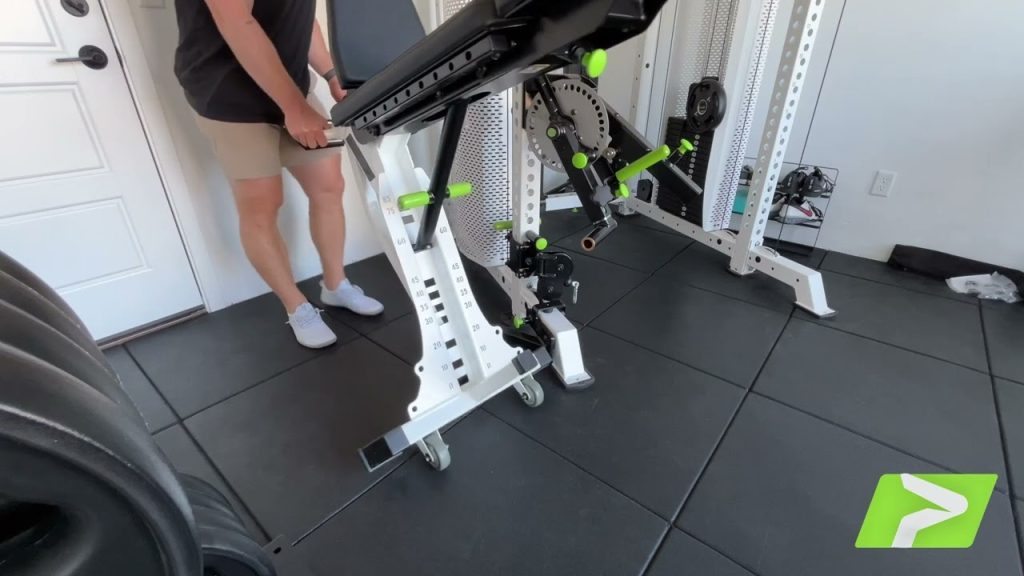
This captivating journey from basic exercise equipment to today’s high-tech alternatives not only reveals the intricate tapestry of fitness, technology, and consumer culture, but it challenges individuals to embrace these innovations. As we adapt to new tools and systems, the opportunity for optimization appears more promising than ever, urging us to explore and push the boundaries of our fitness journeys.
DIVE DEEPER: Click here to discover the benefits of strength training across all ages
The Journey From Simplicity to Sophistication
The transformation of fitness equipment is not merely about the incorporation of technology; it represents a profound shift in how individuals approach health and wellness. Understanding this evolution begins with a closer examination of early fitness tools, which, despite their simplicity, laid the groundwork for today’s advanced solutions. These foundational pieces of equipment were designed to enhance physical fitness without necessitating a hefty financial investment.
The Role of Classic Equipment in Fitness Culture
In the early days, fitness was often perceived as a regimented and sometimes daunting endeavor. The use of basic fitness equipment such as free weights, resistance bands, and jump ropes was widespread, as they provided an affordable and accessible means for individuals to build strength, agility, and cardiovascular health. Here’s a closer look at these classic tools:
- Free Weights: Dumbbells and barbells have long been the staples in strength training. They promote muscle growth and endurance, making them essential for any workout routine. Additionally, they allow for a diverse range of exercises, targeting multiple muscle groups effectively.
- Resistance Bands: These versatile tools are designed to add varying levels of resistance to movements. Their lightweight and portable nature makes them ideal for home workouts, providing users with the ability to perform strength training anywhere.
- Jump Ropes: A simple yet powerful tool, jump ropes contribute significantly to cardiovascular fitness. This equipment enhances coordination and endurance, making it a popular choice for athletes and fitness enthusiasts alike.
These tools were not just a means to physical improvement; they served as symbols of perseverance and personal growth. The idea of fitness transitioned from an obligation to a lifestyle, emerging as a crucial aspect of self-care and personal identity.
The Transition to Modern Fitness Equipment
As societal views on fitness began to evolve, so too did the equipment being used. The focus shifted towards inclusivity and accessibility, with a large emphasis on user experience. Gyms became more prevalent, equipped not only with traditional weights but with machines designed for various fitness levels and goals.
Fast forward to today, and the fitness equipment market has undergone a revolution. The realm has expanded to include high-tech innovations that redefine the way individuals engage in exercise. The introduction of smart technology allows for unparalleled tracking of performance metrics, ensuring users have instant feedback on their progress and health. A prime illustration of this evolution can be seen in the rise of interactive equipment:
- Smart treadmills and stationary bikes: These devices often come with touch screens that feature various workout programs, live classes, and performance analysis.
- Connected home gyms: Equipment like the Mirror and Tonal utilizes augmented reality and AI, enhancing workout efficiency by virtually guiding users through exercises.
- Mobile fitness applications: These apps sync with wearable devices to provide tailored workouts and nutritional advice, adapting in real-time based on user activity.
This shift toward high-tech fitness equipment reflects a broader cultural movement towards integration of technology in all aspects of life. As consumers seek more personalized and engaging experiences, the fitness equipment industry continues to innovate, shaping how we perceive and approach our health journeys.
The Evolution of Fitness Equipment: From Basic to High-Tech
The fitness industry has undergone a remarkable transformation over the past few decades, transitioning from simple, manual equipment to highly sophisticated machines equipped with advanced technology. This evolution has not only altered the way individuals exercise, but it has also made workouts more efficient and engaging. Modern fitness equipment now boasts features like smart technology, personalized workout plans, and connectivity to apps and the internet, enhancing the overall experience for users.
One of the most significant shifts has been the integration of virtual reality (VR) and augmented reality (AR) into workout regimes. These technologies create immersive environments that can simulate outdoor settings or even fantastical worlds, making exercising less mundane. Additionally, fitness trackers and smartwatches offer users real-time data about their performance, heart rate, and calorie burn, which helps individuals stay motivated and reach their fitness goals more effectively.
Another notable advancement is the shift toward personalized fitness. Smart gym equipment can analyze user data and adjust workout routines accordingly, providing tailored guidance that caters to individual fitness levels and goals. This personalized approach not only creates better results but also fosters a deeper connection between users and their fitness journeys.
Moreover, the rise of connected equipment has encouraged a community-driven exercise culture. Smart machines can link to the internet and allow users to join live-streamed group classes or participate in virtual competitions, fostering motivation through social interaction.
| Category | Advantages |
|---|---|
| Smart Equipment | Offers real-time performance tracking and tailored workout adjustments. |
| Virtual Reality | Creates immersive environments, making workouts more enjoyable and engaging. |
| Connected Classes | Encourages social interactions, increasing accountability and motivation. |
Overall, the evolution of fitness equipment signifies a move towards a more efficient, engaging, and community-focused approach to health and wellness. As technology continues to advance, we can expect further innovations that reshape the fitness landscape. These advancements not only enhance user experience but also empower individuals to lead healthier lives through personalized and accessible workout options.
DIVE DEEPER: Click here to discover the psychological benefits of strength training
Innovation on the Horizon
As we delve deeper into the contemporary fitness landscape, it’s clear that the evolution of fitness equipment has been driven by a relentless quest for innovation. The fusion of fitness with advanced technology creates a unique ecosystem that not only motivates users but also encourages them to engage in healthier lifestyles. This evolution catalyzes major changes, making fitness more accessible and achievable for a wider audience.
The Emergence of Wearable Technology
One of the most significant advancements in fitness is the rise of wearable technology. Devices such as fitness trackers and smartwatches have transcended traditional boundaries, integrating seamlessly with everyday life. These devices do not just count steps; they monitor heart rates, track sleep patterns, and provide insights into overall well-being. Brands like Fitbit and Garmin have revolutionized how fitness enthusiasts interact with their health data, promoting accountability and tangible goal-setting.
These wearables are particularly effective in a country like the United States, where health enthusiasts and casual gym-goers increasingly seek personalized experiences. A study conducted in 2021 revealed that over 40% of American adults use some form of wearable technology to assist with fitness-related activities, highlighting a national trend toward data-driven health choices.
The Rise of Virtual and Augmented Reality in Fitness
Additionally, virtual reality (VR) and augmented reality (AR) are now at the forefront of fitness technology, unlocking exhilarating new ways to engage in physical activity. Companies are developing VR games that require users to move, stretch, and exert energy, transforming high-intensity workouts into immersive experiences. Consider the likes of the Oculus Quest, which features games that require physical activity, enticing gamers and fitness aficionados alike.
On the other hand, AR technologies introduce layers of information and interaction to workouts. For instance, products like the Peloton Bike have included augmented visuals that allow users to see their performance metrics in real-time while they cycle, thus blending the physical and digital worlds for a more engaging experience.
Personalized Smart Fitness Solutions
The concept of personalized training has also significantly evolved, driven by technological advancements. Artificial intelligence is now being integrated into fitness programs that adapt to individual users’ fitness levels and preferences. Tools like JAXJOX and the Peloton Guide utilize AI to tailor workouts, ensuring that each user receives a customized fitness plan that grows with them.
Moreover, the shift towards digital platforms has made fitness training more inclusive. Online personal training sessions and virtual fitness classes have surged in popularity, especially since the pandemic. Individuals can now connect with trainers from across the nation or world, widening the pool of available expertise while appealing to diverse consumers, regardless of location. This accessibility is crucial in the U.S., where a significant portion of the population seeks options that fit their busy lifestyles.
Engaging Communities Through Social Connectivity
Today’s fitness equipment also emphasizes social connectivity, enabling users to interact with communities of like-minded individuals. Platforms like Strava and MyFitnessPal foster social interaction by allowing users to share achievements, join challenges, and motivate one another. This sense of community enhances the overall fitness experience, making it more enjoyable and sustainable.
The evolution of fitness equipment is a fascinating narrative of continuous advancement. As we look ahead, the integration of technology in fitness is set to deepen, promising an even more immersive and personalized journey toward health and wellness.
DIVE DEEPER: Click here to learn about effective warming up and cooling down techniques</
Conclusion: A Transformative Journey
The evolution of fitness equipment from basic tools to high-tech marvels illustrates a remarkable shift in how we perceive health and wellness. This transition exhibits not only advancements in technology but also a deeper understanding of personal fitness needs. The emergence of wearable technology has empowered individuals to track their progress in real-time, fostering accountability and motivation. As statistics indicate, the adoption of these devices is climbing, with over 40% of American adults now utilizing wearables as part of their fitness journey.
Moreover, the innovations introduced by virtual reality (VR) and augmented reality (AR) have transformed traditional workouts into engaging experiences, sparking a new wave of enthusiasm for fitness. These technologies allow users to immerse themselves in interactive environments, effectively merging play and exercise. Additionally, the rise of artificial intelligence has made personalized training programs accessible, ensuring workouts are tailored to individual preferences and needs. This personalization guarantees a more effective approach to fitness, accommodating the unique lifestyles of users, especially in America’s busy culture.
As we move forward, the emphasis on community and social connectivity will continue to shape the fitness landscape. With platforms enabling users to connect, share, and support each other, the sense of belonging adds an essential layer of motivation. In this dynamic arena, fitness equipment is no longer just about physical exertion; it has evolved into a holistic experience that values technology, engagement, and personal growth. The future promises even further integration of high-tech solutions, inviting everyone, regardless of background, to embark on their own fitness journey.

Beatriz Johnson is a seasoned fitness specialist and writer with a passion for simplifying the complexities of strength training and gym workouts. With over a decade of experience in the fitness industry, she specializes in topics like weight training techniques, workout programming, and exercise science principles. Through her work, Beatriz empowers readers to make informed fitness decisions, build sustainable training habits, and stay ahead in their journey toward stronger, healthier bodies.