
The Art of Letting Go: How Simplified Living Transforms Spaces and Minds
Understanding Simplified Living
In a fast-paced world filled with constant distractions and excess, the practice of simplified living offers a refreshing escape. Embracing the concept of letting go not only transforms physical spaces but also creates a more profound mental clarity. Many individuals across the United States are discovering the benefits of decluttering their lives, leading to unexpected positive outcomes. The art of letting go can be a liberating journey, one that encourages self-reflection and prioritizes what truly matters.
The Benefits of Simplified Living
- Increased Focus: Simplified living enhances concentration by reducing the mental load we carry daily. A study by the American Psychological Association suggests that living in cluttered environments can impede focus and productivity, making it difficult to concentrate on tasks.
- Improved Well-Being: A cleaner, organized space significantly impacts emotional health. According to a survey conducted by the National Sleep Foundation, individuals with tidy homes reported better sleep quality and lower stress levels.
- Financial Freedom: Adopting minimalism can lead to smarter spending and savings. The Financial Planning Association highlights how individuals who embrace minimalist lifestyles often prioritize experiences over material possessions, ultimately leading to better financial health.
When we consciously choose to part with unnecessary items, we free ourselves from the ties of materialism and excess. This process often leads to a profound sense of empowerment and control over our environments. For instance, people who have undergone organization challenges, such as those popularized by Marie Kondo, frequently report an emotional release from letting go of belongings that no longer serve them.
Strategies for Letting Go
As we dive deeper into the art of letting go, we uncover practical strategies that can make the journey more manageable. One effective method is the “30-Day Minimalism Game,” where participants remove one item on the first day, two on the second, and so on, up to thirty items on the last day. This gradual approach provides a clear structure while fostering reflection on the value of our belongings.
Moreover, the concept of “One In, One Out” can help maintain simplicity in our lives. For every new item brought into the home, one must go out. This creates a conscious awareness of consumption patterns and helps curb unnecessary spending.
Stories abound of individuals finding not just cleaner spaces but also a renewed sense of purpose. Many report feeling lighter and more capable of pursuing passions without the weight of excess physical possessions. By decluttering, we invite simplicity, which can manifest in various forms, from our homes to our minds.
Join us in exploring how simplified living not only changes our surroundings but nurtures our mental landscapes, allowing for a healthier, more mindful way of life. Whether you’re looking to declutter a small area or overhaul your entire living space, the journey of letting go can be one of the most rewarding experiences.
The Journey Towards Simplified Living
Adopting a lifestyle centered around simplicity often begins with a conscious decision to let go of the unnecessary. In a world that constantly feeds us the message that more is better, realizing the power of less can be a life-altering revelation. Simplified living encourages individuals to evaluate their possessions, commitments, and priorities with a discerning eye. By shedding the weight of excess, we create space not only in our homes but also in our minds.
Creating Physical Space: The Impact of Decluttering
One of the most immediate effects of embracing simplified living is the transformation of our physical spaces. Taking the time to declutter has been shown to significantly enhance the flow of daily life. According to a study published in the Journal of Environmental Psychology, people residing in organized environments report a higher sense of well-being and improved focus. The concept of environmental psychology draws attention to how our surroundings influence our mood and mental state. Clearing away physical clutter not only makes a space feel more inviting, but it also opens up opportunities for creativity and increased productivity.
Mental Clarity: The Psychological Advantages
Physical decluttering can lead to surprising psychological benefits. Research conducted by University of California, Los Angeles (UCLA) found that clutter can increase cortisol levels, leading to heightened stress and anxiety. By resolving to simplify one’s living environment, a clear space can also foster mental clarity. Individuals often describe feelings of lightness and liberation after embarking on a decluttering journey, attributing this transformation to the newfound perspective on what truly matters. Moreover, the emotional weight of items tied to past experiences can fade when we make a conscious decision to let go, further contributing to a sense of peace.
As spaces become less cluttered and more purposeful, individuals often find that their capacity for mindfulness increases. Mindfulness, the practice of staying present and fully engaged in the current moment, is closely tied to the state of our surroundings. When your environment promotes calmness and simplicity, your ability to practice mindfulness is enhanced, creating a positive feedback loop of serenity. Here are some benefits of embracing this transformation:
- Enhanced Focus: A decluttered space allows for an improved ability to concentrate on tasks without distractions.
- Reduces Anxiety: Simplifying one’s environment diminishes the overwhelming sense of chaos, leading to a calmer mental state.
- Empowerment: The process of letting go reinforces feelings of control and autonomy over one’s life and choices.
Ultimately, the journey of simplified living is about more than just the objects we own — it extends into our thoughts and emotions. By learning to let go, we foster a mindset that values presence over possessions, enriching our lives in ways that a materialistic approach simply cannot provide. With each item we release, we pave the way for personal growth and deeper connections, not just with our environments but also with ourselves.
| Advantages | Description |
|---|---|
| Enhanced Clarity | By minimizing physical items, one can achieve greater mental clarity, allowing for more focus and creativity. |
| Reduced Stress | A decluttered environment leads to lowered anxiety levels, providing a soothing space that promotes relaxation and mindfulness. |
| Sustainable Living | Simplified living encourages a focus on eco-friendly practices, which can reduce one’s carbon footprint and promote sustainability. |
| Enhanced Well-Being | An orderly space impacts emotional health, leading to increased happiness and fulfillment in daily life. |
As you explore “The Art of Letting Go,” consider how these advantages reflect the fundamental shifts your mindset can experience when you embrace a simplified lifestyle. This approach doesn’t merely alter the appearance of your space; it fundamentally transforms your relationship with yourself and your surroundings, making room for what truly matters. Embracing simplicity fosters not just a cleaner home, but a clearer, more intentional life.
The Transformative Power of Minimalism
As the movement of minimalism gains traction across the United States, many are discovering how simplified living not only modifies physical spaces but also reshapes our very approach to life. Minimalism, often associated with the philosophy of “less is more,” advocates for an intentional lifestyle where one focuses on the essentials and discards what does not serve a purpose. This transformative power is particularly relevant in today’s society, where distractions abound and material possessions seem to clutter not just our homes, but also our minds.
Intentional Consumption: Redefining Relationships with Possessions
One of the fundamental principles of minimalism is intentional consumption. Understanding that every item acquired comes at a cost—be it financial, environmental, or mental—invites individuals to make more deliberate choices. According to a report by the Environmental Protection Agency (EPA), the average American generates over 4.4 pounds of waste daily. This staggering statistic highlights the necessity of reevaluating our consumption habits. Embracing a minimalist approach encourages better decision-making regarding purchases, leading to a life filled with quality items that genuinely enhance well-being rather than contribute to clutter.
This reframing of our relationship with possessions often brings unexpected benefits. Regularly thinning out belongings reduces not only physical clutter but also psychological burdens. As people start to align their possessions with their values, they frequently report feelings of empowerment and satisfaction, as they are no longer beholden to the weight of unnecessary items. For many, this transformation leads to a greater appreciation for experiences over possessions, shifting the focus toward creating lasting memories that foster connection rather than accumulating material goods.
Spiritual Space: Nurturing the Mind and Soul
Pursuing a simplified and minimalistic lifestyle can also lead to a deeper connection with spirituality or mindfulness practices. In a society where external stimuli can overwhelm, a simplified environment can provide the sanctuary needed to cultivate inner peace and harmony. Meditation and mindfulness are increasingly recognized for their ability to enhance mental clarity and emotional stability. According to research conducted by Harvard University, mindfulness practices can physically change brain structuring, promoting increased gray matter density in areas of the brain associated with emotional regulation, empathy, and self-awareness.
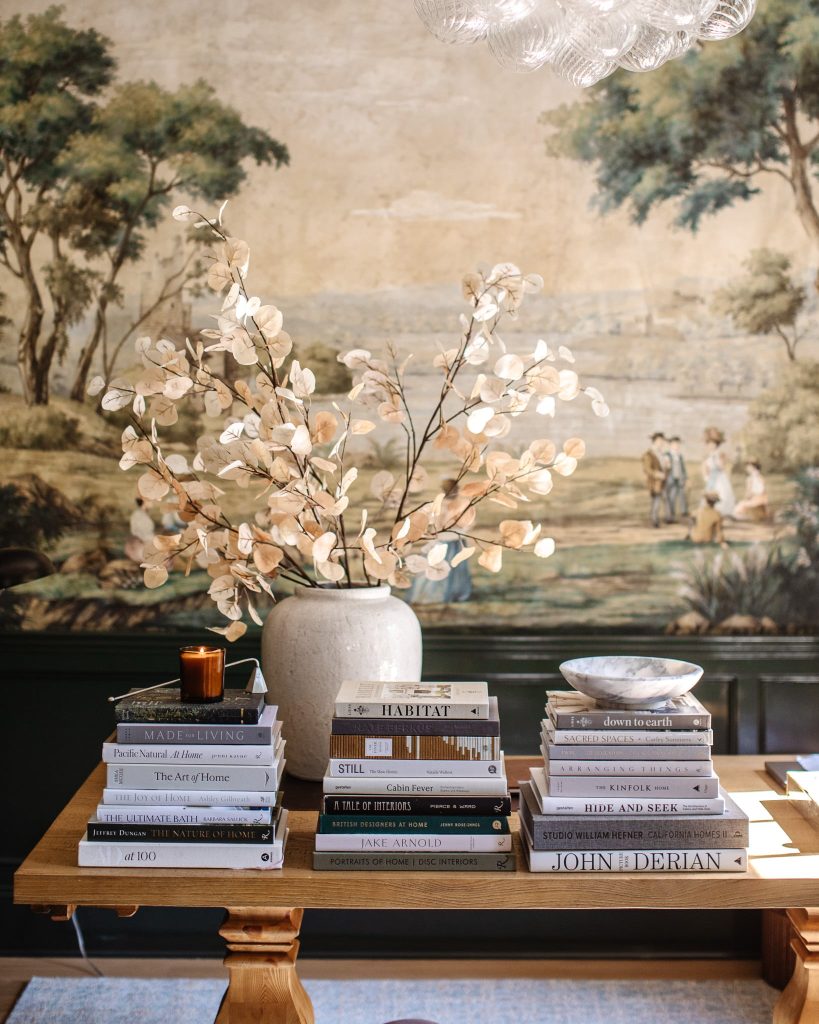
Establishing a dedicated space for reflection—free from distractions—can significantly enhance one’s ability to practice mindfulness. For instance, creating a zen corner or designated reading nook can serve as physical reminders to slow down and connect with the present moment. Additionally, incorporating natural elements like plants or lighting can contribute to a serene atmosphere, fostering a sense of calm and grounding.
The essence of simplified living often leads to the concept of sustainable living. By letting go of excess, individuals may also find themselves inspired to engage in more environmentally responsible practices, such as recycling, upcycling, or participating in community sharing platforms. These actions encourage a lifestyle that honors global resources while creating a more fruitful existence.
As the art of letting go evolves, its benefits extend far beyond physical spaces. Embracing simplified living can create pathways to emotional resilience, personal growth, and meaningful community connections. These profound changes serve as a gentle reminder that living well does not require excess, but rather a deep commitment to presence, purpose, and authenticity.
Conclusion: Embracing the Minimalist Journey
In the quest for contentment and clarity, the art of letting go emerges as a profound catalyst for transformation. As individuals adopt the principles of simplified living, a remarkable shift occurs—not only within their physical spaces but also within their minds and spirits. The process of decluttering transcends mere organization; it unveils the essence of what it means to live intentionally and authentically.
By embracing intentional consumption, individuals can redefine their relationships with material possessions. This reevaluation fosters a lifestyle that prioritizes quality over quantity, encouraging a much-needed shift towards sustainability and responsibility. Moreover, the psychological lightness gained from releasing the burdens of excess leads to increased emotional resilience. Such shifts invite us to cherish experiences and connections that nurture the soul, rather than focusing solely on accumulating goods.
Additionally, the cultivation of spiritual space paves the way for mindfulness and introspection, allowing individuals to reconnect with their inner selves amidst the chaos of everyday life. As scientific studies increasingly support the benefits of mindfulness practices, the link between a simplified environment and mental well-being becomes clear. Establishing spaces dedicated to reflection encourages a holistic approach to living, promoting mental clarity and emotional stability.
As we navigate the complexities of modern living, simplified living not only enhances our immediate environments but also shapes our overarching life experiences. By letting go of the unnecessary, we harness the power to embrace a more purposeful existence, cultivating a mindful journey that celebrates presence and the beauty of being. In this reimagining of our lives, we discover that true fulfillment lies not in accumulation, but in the art of letting go.

Linda Carter is a writer and organization expert specializing in minimalism and personal organization. With extensive experience helping individuals create clutter-free, functional spaces and adopt mindful habits, Linda shares her knowledge on our platform. Her goal is to empower readers with practical advice and strategies to simplify their lives, stay organized, and achieve a sense of calm and balance in their daily routines.