
The Shift Towards Sustainable Practices in Fitness
The fitness industry is witnessing a profound transformation, fueled by an increasing awareness of sustainability among consumers and industry leaders. As environmental issues become ever more pressing, gym-goers are not just looking to meet their personal health goals; they are also eager to adopt eco-friendly practices in their workout routines. This shift towards sustainability is pulling the fitness world into a new era, with implications that stretch far beyond individual workouts.
- Materials Matter: Innovative manufacturers are now prioritizing the use of biodegradable and recycled materials in their products. For instance, brands like Manduka are producing yoga mats made from natural rubber, which is not only effective for performance but also breaks down more easily compared to traditional PVC mats. Additionally, some equipment, such as dumbbells and kettlebells, are crafted from recycled steel and aluminum, contributing to a reduced carbon footprint.
- Energy Efficiency: Technological advancements are also playing a critical role in the energy consumption of fitness equipment. A growing number of gyms are investing in machines that harness renewable energy. Peloton has introduced bikes that can generate electricity as users pedal, which can then be used to power other equipment or even be fed back into the gym’s electrical system. This kind of innovation not only supports sustainability but can help lower energy bills, making it economically viable for fitness centers.
- Durability: A notable shift is occurring toward manufacturing durable, long-lasting products rather than disposable items. The focus is on quality over quantity, with brands aiming to create equipment that stands the test of time. For example, products from TRX are known for their robust design and prolonged life, reducing the need for replacements and minimizing waste.
In today’s fitness landscape, sustainability is evolving from a mere trend into a vital necessity. Consumers are increasingly seeking out green alternatives that not only reduce their environmental impact but also enhance their performance. For example, equipping a home gym with sustainable equipment not only benefits personal fitness goals but also positively impacts the environment. The decisions made in this realm have the power to ripple out to broader ecological issues, illustrating that personal choices can influence collective outcomes.
As we continue to explore this transformation, it becomes essential to understand the broader implications of these sustainable practices. Healthier individuals contribute to a healthier planet, and the innovations shaping the future of fitness are paving the way for a more sustainable tomorrow. Join us as we delve deeper into the fascinating realm of sustainable fitness equipment, revealing how the quest for personal well-being can intertwine with the pursuit of ecological responsibility.
DIVE DEEPER: Click here to enhance your gym performance
Innovations Driving Sustainable Fitness Equipment
The evolution of the fitness industry is significantly influenced by technological advancements geared towards sustainability. With increasing emphasis on reducing environmental impact, a myriad of innovations are set to redefine the way individuals and fitness centers approach workouts. As consumers become more environmentally conscious, manufacturers are stepping up to meet this demand by developing sustainable fitness equipment that aligns with eco-friendly practices.
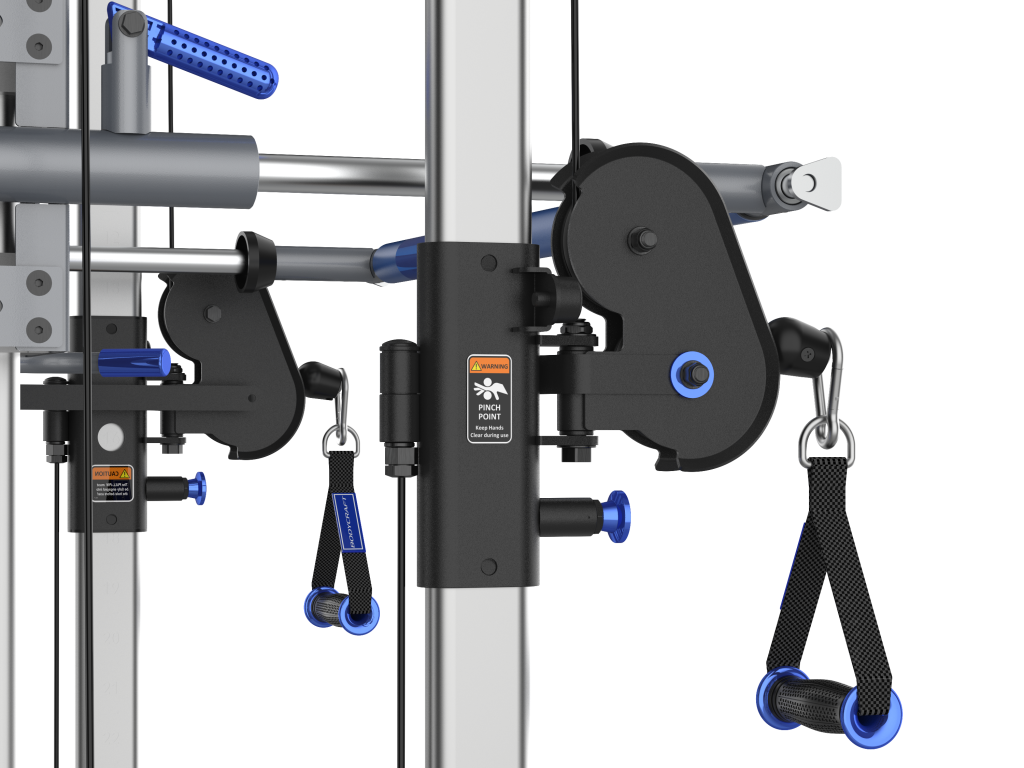
The Rise of Eco-Conscious Brands
The push for sustainability has prompted numerous gyms and equipment manufacturers to adopt practices that favor the planet. Emerging brands are crafting their products with not only performance but also environmental responsibility in mind. Companies such as WOD Nation and Rogue Fitness, for instance, have expanded their offerings to include equipment made from recycled materials, ensuring that their production process has a minimal carbon footprint. This trend is not only reshaping fitness options but also encouraging consumers to support brands that prioritize ecological integrity.
Biodegradable and Recyclable Options
Another crucial aspect of sustainable fitness equipment is the utilization of biodegradable and recyclable components. Many products previously dominated by synthetic materials are being replaced by alternatives that return to the earth without causing harm. For instance, fitness mats generated from natural materials such as jute or rubber not only provide excellent grip and comfort but also decompose naturally over time. Additionally, equipment designed to be disassembled at the end of its life cycle facilitates recycling efforts, turning what might otherwise contribute to landfills into reusable materials.
The Importance of Local Manufacturing
Local manufacturing is also gaining traction in the sustainable fitness equipment landscape. By reducing transportation emissions, brands are reevaluating production strategies and opting to establish manufacturing facilities closer to their consumer base. For example, several American companies are now producing their kettlebells and resistance bands within the country, thereby supporting local economies and minimizing carbon emissions associated with long-distance shipping. In 2023, industry experts estimate that this shift could potentially lead to a reduction of 20% in transportation-related greenhouse gas emissions.
Smart Technology and Sustainability
Incorporating smart technology into fitness equipment further enhances sustainability efforts. Machines equipped with energy-efficient systems have gained popularity in gyms across the United States. Not only do they reduce power consumption, but some even harness the energy generated by users. For example, Eco-Power treadmills convert kinetic energy into electricity, which can power other devices in the gym. Such innovations highlight the potential of integrating technology to support both individual health and environmental welfare.
The future of sustainable fitness equipment is not just a passing fad; it represents a crucial shift in the fitness landscape. As consumers demand more sustainable options, the training industry is poised to respond with innovative solutions that balance performance enhancement with ecological stewardship. By investing in sustainable practices today, fitness enthusiasts and industry leaders alike can contribute to a healthier planet for tomorrow.
Sustainable Fitness Equipment: The Future of the Training Industry
As the world becomes increasingly aware of the environmental impact of various industries, the fitness sector is embracing a significant shift towards sustainability. This transition is not merely a trend but a necessity to ensure a healthier planet and community. Sustainable fitness equipment is at the forefront of this change, showcasing innovative solutions that prioritize eco-friendly materials, energy efficiency, and reduced carbon footprints.
Innovators in the fitness industry are now designing gym equipment from recycled materials, promoting products that are not only durable but also environmentally responsible. This approach to manufacturing significantly reduces waste in landfills and conserves natural resources. In addition, many of these products are made from renewable materials, such as bamboo or other biodegradable components, which further enhances their sustainability credentials.
Moreover, the rise of energy-generating machines allows users to harness their own energy while working out. Treadmills and stationary bikes that convert human energy into electricity can power gym facilities or contribute back to the grid. This innovative concept not only improves energy efficiency but also encourages users to be more conscious of their energy consumption during workouts.
Accessibility is another critical aspect of sustainable fitness. Companies are increasingly investing in ways to make fitness equipment more accessible to a broader audience. This includes creating versatile machines that cater to different fitness levels, allowing everyone to engage in an active lifestyle while also considering sustainability.
The fitness industry’s transformation towards sustainability is clearly evident with numerous companies vying to lead this green revolution. As more consumers prioritize eco-consciousness in their purchasing decisions, the opportunities for growth in sustainable fitness equipment are immense. To capture the essence and full potential of this movement, it is vital for fitness centers, trainers, and enthusiasts to support eco-friendly practices and consider the long-term benefits of sustainability in enhancing their training experiences.
| Category | Benefits |
|---|---|
| Eco-friendly Materials | Promote sustainability by using recycled and renewable resources. |
| Energy-generating Equipment | Allows users to produce energy, fostering awareness and conservation. |
This sustainability shift not only enhances the image of the fitness industry but also appeals to a growing demographic of environmentally conscious consumers. By choosing sustainable options, gym-goers are actively contributing to a healthier planet while still meeting their fitness goals. The future of training lies in this harmonious blend of fitness and environmental responsibility.
DISCOVER MORE: Click here to learn about age and muscle growth
Sustainable Practices within Fitness Facilities
As the movement towards sustainable fitness equipment gains momentum, fitness facilities across the United States are adopting green policies beyond merely sourcing eco-friendly equipment. This transition encompasses a broader scope that integrates environmental consciousness into their overall operations.
Energy-Efficient Facilities
Many gyms are taking significant strides toward energy efficiency by upgrading their infrastructure. Innovations such as LED lighting systems, advanced heating, ventilation, and air conditioning (HVAC) units, and smart gym management technologies are becoming standard in fitness centers aiming for a more sustainable footprint. By implementing systems that automatically adjust power consumption based on peak usage times, some facilities can achieve energy savings of up to 30%. These upgrades not only lower utility bills but also enhance the gym’s commitment to sustainability, positioning them favorably in a market where eco-consciousness is becoming increasingly important.
Water Conservation Measures
Water conservation is another focal point for gyms striving to be sustainable. Numerous fitness centers are now incorporating low-flow fixtures in restrooms and showers, as well as using gray water systems that recycle water for irrigation purposes. Facilities that implement such systems can reduce their water consumption by as much as 50%, showcasing a dual commitment to both operational efficiency and environmental preservation. Additionally, some facilities are introducing educational programs that highlight the significance of water conservation to gym-goers, thus promoting sustainable habits beyond the gym walls.
Community Fitness and Local Initiatives
Fitness facilities are increasingly engaging with their communities to foster a culture of sustainability. Initiatives such as community workout events, local partnerships for health education, and neighborhood clean-up days are becoming more prevalent. Notably, gyms like Planet Fitness and Anytime Fitness are leading the way by organizing challenges that encourage members to participate in eco-friendly activities. These endeavors not only strengthen community ties but also enhance the visibility of the gym as an ethical leader, attracting eco-aware individuals to join their fitness journey.
Consumer Influence on Design
Consumer preferences are also shaping the future of sustainable fitness equipment design. As the demand for personalization grows, manufacturers are developing flexible solutions that not only cater to specific workout regimens but also embody principles of sustainability. For instance, companies are now promoting modular fitness equipment that allows users to change their setups based on workout types, eliminating the need for multiple devices. This approach not only reduces material waste during manufacturing but also encourages members to diversify their fitness routines without compromising on eco-friendliness.
Certification and Standards for Sustainability
To further solidify their commitment to sustainability, many brands are seeking certifications that validate their eco-friendly practices. Organizations like Green America and Energy Star provide guidelines that help companies adhere to sustainable manufacturing processes. As the industry sees more equipment certified for green practices, it empowers consumers to make choices that align with their values. Awareness of such certifications can significantly influence purchasing decisions, potentially leading to a broader acceptance and demand for sustainable fitness equipment in the mainstream market.
The transformation of the fitness industry is not merely rooted in the introduction of new equipment; it extends to operational practices, community engagement, and consumer influence. By prioritizing sustainability across various aspects of the industry, gyms and manufacturers are paving the way for an environmentally responsible approach to fitness. Such developments underline the potential for a future where both personal health and planetary health can coexist harmoniously.
DIVE DEEPER: Click here to discover the benefits and methods of isometric exercises
Envisioning a Sustainable Future in Fitness
As we navigate the future of the training industry, the convergence of sustainability and fitness equipment is not just a trend; it represents a significant shift in the way we approach health and wellness. The growing emphasis on sustainable fitness equipment—from energy-efficient facilities to water conservation measures—reflects a broader commitment to environmental stewardship that resonates with consumers today. By incorporating innovative designs that prioritize eco-friendliness, manufacturers and gym operators are not only enhancing their operational efficiency but also contributing to a healthier planet.
This integration of sustainable practices extends beyond merely acquiring green equipment; it encompasses a holistic approach that encompasses community engagement, educational initiatives, and consumer influence. As fitness centers increasingly promote local sustainability efforts and provide certifications for eco-friendly equipment, they help foster a community of conscious consumers who value ethical practices in their fitness journeys. This transformation signifies a vital opportunity for both businesses and gym-goers to participate actively in protecting the environment.
Ultimately, the push for sustainability in the fitness industry goes hand in hand with improving personal well-being—creating a synergistic relationship between individual health and planetary health. By prioritizing sustainable choices today, we are paving the way for a future where fitness facilities can thrive without compromising the health of our planet. It is an exciting journey ahead, inviting consumers and businesses alike to embrace change and invest in a sustainable future for all.

Beatriz Johnson is a seasoned fitness specialist and writer with a passion for simplifying the complexities of strength training and gym workouts. With over a decade of experience in the fitness industry, she specializes in topics like weight training techniques, workout programming, and exercise science principles. Through her work, Beatriz empowers readers to make informed fitness decisions, build sustainable training habits, and stay ahead in their journey toward stronger, healthier bodies.