
Unlocking the Power of Isometric Exercises
When it comes to enhancing your fitness journey, isometric exercises might just be the hidden gem you’ve been overlooking. These static movements provide a unique way to build strength without the need for equipment or dynamic movement, making them suitable for exercise enthusiasts at every level. Whether you are a seasoned gym-goer or a beginner looking for effective workouts, isometric exercises can add significant value to your routine.
Here are some key reasons why you should consider incorporating isometric exercises into your workout routine:
- Boosting Muscle Strength: Isometric holds can significantly enhance overall muscular endurance. For individuals looking to improve their stability and strength without the risk of injury from dynamic lifting, exercises like the plank or the wall sit help develop the muscles effectively. Studies have shown that these holds can lead to improved muscle activation, which translates to greater strength gains over time.
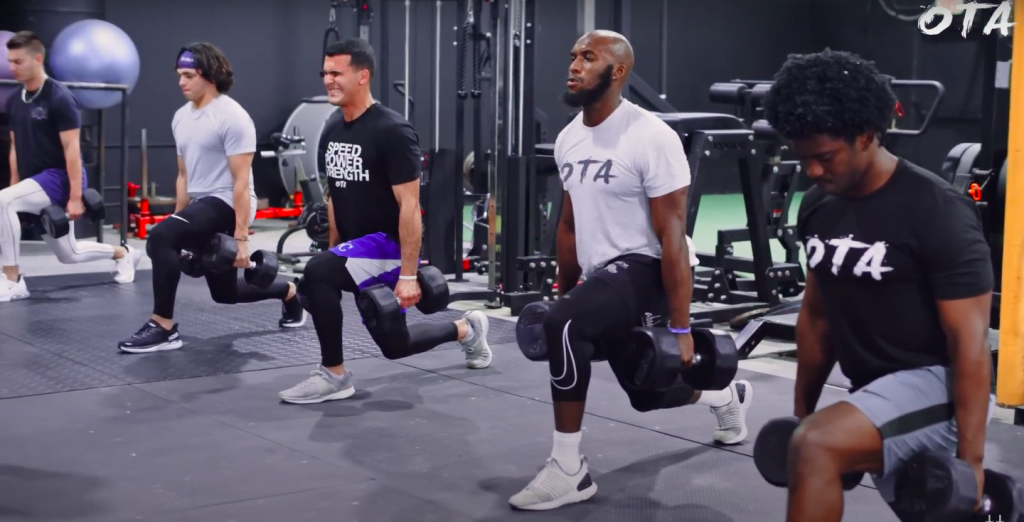
- Joint Stability: These exercises serve as a safe alternative for strengthening the muscles surrounding your joints. This is particularly beneficial for those who might be recovering from injuries or dealing with issues like arthritis. For instance, performing a static lunge can strengthen the muscles around the knee joint, providing better support and reducing pain during daily activities.
- Time Efficiency: Isometric exercises can be performed in short bursts, making them ideal for busy schedules. A quick 10-minute routine focusing on these movements can yield impressive results. For example, a series of planks complemented with wall sits can effectively strengthen your core and legs in less than 15 minutes, allowing you to fit a quality workout into a tight schedule.
Some popular isometric exercises include:
- Planks: Engaging your core without unnecessary motion, planks can be modified for different levels. Beginners can try knee planks, while advanced practitioners can incorporate side planks for added challenge.
- Wall Sits: A challenging way to enhance your leg stability, wall sits require you to hold a seated position against the wall, engaging the quadriceps and glutes. This exercise not only builds strength but can also increase endurance for activities like running or cycling.
- Glute Bridges: This movement effectively activates your posterior chain—the key to improved athletic performance and pain relief in the lower back. By holding the bridge position, you recruit not just the glutes but also the hamstrings, providing a comprehensive workout for the lower body.
As you explore the depths of isometric training, you’ll discover not only a variety of methods but also the substantial benefits that come with this approach. Numerous athletes, including runners and weightlifters, incorporate isometric exercises into their training regimens for improved performance. Additionally, these exercises can be modified to suit various fitness levels, ensuring that everyone can find a way to add them to their routine. Stay tuned to delve deeper into how these static exercises can revolutionize your workout routine and improve your overall fitness.
DISCOVER MORE: Click here to enhance your gym performance
The Mechanics of Isometric Exercises
Isometric exercises, which involve muscle engagement without visible movement, have gained traction among fitness enthusiasts and athletes alike. But what makes these exercises so effective? The key lies in the way they target muscle fibers and promote strength gains. By eliciting a sustained contraction, isometric exercises create what is known as muscle hypertrophy—the enlargement of muscle fibers due to an increase in contractile proteins. The result? Stronger, more resilient muscles that can support a variety of physical activities.
How Isometric Exercises Work
At its core, isometric training emphasizes holding a position and creating tension in the muscle. This can be achieved through various postures, such as holding a squat or bracing a plank. Unlike traditional lifting methods that rely on moving weights through a range of motion, isometric exercises utilize the body’s weight or a static surface for resistance. As you engage in these activities, your body activates both fast-twitch and slow-twitch muscle fibers, leading to comprehensive strength development.
Another vital aspect of isometric training is its focus on the neural adaptations that occur as you become accustomed to exerting force in a static position. The brain becomes more efficient in recruiting muscle fibers, subsequently enhancing your overall strength and coordination. Furthermore, the static hold can significantly impact your body’s stabilizing muscles, contributing to improving balance and posture—a crucial benefit for athletes and gym-goers alike.
How to Successfully Incorporate Isometric Exercises
Integrating isometric exercises into your routine doesn’t have to be daunting. Here’s a simple roadmap to help you get started:
- Start Small: If you are new to isometrics, begin with shorter hold times (10-15 seconds) and gradually work your way up as your strength improves.
- Mix & Match: Combine isometric holds with dynamic movements to create a well-rounded workout. For instance, include planks in a circuit that also features push-ups and lunges.
- Follow a Schedule: To reap maximum benefits, aim to incorporate isometric exercises into your workout routine 2-3 times a week. This will allow you to track progress while avoiding overtraining.
- Focus on Control: Practice controlled breathing while holding the position to enhance your workout’s efficacy. Maintaining steady inhales and exhales helps manage tension and fatigue.
The versatility of isometric exercises allows you to perform them almost anywhere—whether you’re at home, in the gym, or even at the office. As you explore the various techniques and methods available, you may find that these static movements not only complement your current training but also pave the way for new fitness milestones. With every contraction, you’re unlocking the potential to elevate your strength and performance, one hold at a time.
Exploring the Advantages of Isometric Exercises
Isometric exercises are a key component of an effective workout routine, offering a multitude of benefits that can enhance your overall fitness. These exercises are characterized by muscle contractions without significant movement, making them incredibly versatile and beneficial for athletes and fitness enthusiasts alike. Let’s dive deeper into their advantages by considering some relevant categories.
| Category | Details |
|---|---|
| Strength Building | Isometric exercises are excellent for building strength in specific muscle groups without the need for weights. |
| Joint Stability | These exercises enhance joint stability by reinforcing the supporting muscles around joints. |
| Increased Endurance | Isometric holds can boost muscular endurance, allowing for longer performance periods in other physical activities. |
| Versatility | These exercises can be performed anywhere, requiring no equipment, which makes them accessible for everyone. |
Incorporating isometric exercises into your routine can lead to improved muscular control and stability, paving the way for enhanced athletic performance. By mastering these fundamentals, you open doors to more dynamic movement patterns that engage larger muscle groups, aiding in injury prevention and rehabilitation. The adaptability of isometric exercises allows them to complement any fitness regimen, making them a noteworthy addition to your workout arsenal. Explore the transformative potential of isometric training as part of your fitness journey!
DISCOVER MORE: Click here for expert techniques
The Benefits of Isometric Exercises in Your Workout Routine
When it comes to fitness, the benefits of isometric exercises stretch far beyond mere muscle engagement. These static workouts can significantly improve your overall fitness, enhance athletic performance, and even contribute to mental well-being. Let’s delve deeper into some of the most exciting benefits that make isometric training a valuable addition to any workout regimen.
Enhanced Muscle Strength and Endurance
One of the primary advantages of isometric exercises is their ability to enhance muscle strength and endurance. Research has shown that regular engagement in isometric holds can lead to strength gains of up to 10-15% over a few weeks. This is particularly beneficial for athletes looking for improved performance in sports that require sustained muscle tension, such as gymnastics and rock climbing. In these high-stakes environments, even marginal strength improvements can translate to better performance outcomes.
Injury Prevention and Rehabilitation
Isometric exercises are also notable for their role in injury prevention and rehabilitation. By focusing on isolated muscle contractions, these movements can help strengthen vulnerable muscle groups and joints without placing undue stress on them. This is especially relevant for individuals recovering from injuries, as isometric workouts provide a way to maintain strength while minimizing the risk of re-injury. For example, an athlete recovering from a knee injury may incorporate wall sits to build quadriceps strength without exacerbating their condition.
Versatility and Convenience
One of the most appealing aspects of isometric exercises is their versatility. Whether you’re in a fully equipped gym or a small suburban living room, you can easily adapt isometric movements to fit your surroundings. Some effective isometric exercises include the wall sit, plank variations, and the isometric push-up. These workouts require no special equipment, making them ideal for those with limited access to fitness facilities or who travel frequently. Plus, they can be performed in under 10 minutes, fitting neatly into the busiest of schedules.
Improved Focus and Mental Toughness
Engaging in isometric training also challenges your mental fortitude. When holding a position, it is common to experience muscle fatigue and discomfort, demanding a higher level of concentration and mental resilience. This element of mental training can be particularly beneficial for athletes who need to manage their mindset during competitions. Additionally, mastering the art of remaining still in challenging positions can lead to greater body awareness and control, further enhancing physical performance.
Inclusivity for All Fitness Levels
Another attractive feature of isometric exercises is their accessibility to individuals across various fitness levels. Beginners can start with basic holds that require minimal effort, while seasoned athletes can intensify their routines with more advanced variations. This inclusivity means isometric exercises can easily be tailored to suit specific needs, making them a fantastic option for group fitness classes or personal training sessions. In a society where community and motivation play key roles in exercising, the ability to adapt isometric exercises to various skill levels can boost participation and overall enjoyment.
Given their array of benefits, it’s no wonder that isometric exercises are carving out a crucial niche in the fitness landscape. As you consider integrating these powerful workouts into your regimen, you might find yourself unlocking potential you never thought possible by simply holding on a little longer. Isometric exercises not only challenge your muscles but also offer a structured approach to achieving a balanced and comprehensive fitness routine.
DISCOVER MORE: Click here to enhance your training
Conclusion: Embracing Isometric Exercises for Holistic Fitness
In summary, isometric exercises emerge as a powerful yet often underappreciated tool in the fitness world. Their unique ability to enhance muscle strength, improve endurance, and support injury prevention makes them an essential addition to any workout routine. The versatility and adaptability of isometric training allow individuals of all fitness levels—whether a novice or a seasoned athlete—to benefit from these static holds without requiring extensive equipment or space.
Moreover, integrating isometric exercises into your workouts can elevate not just physical strength, but also mental resilience and focus. As you challenge your limits through sustained muscle contractions, you develop greater body awareness and control that can significantly improve your overall athletic performance. With just a few minutes dedicated to isometric training each day, you can unlock incredible potential and achieve a more balanced fitness regime.
As you consider your approach to fitness, remember that isometric exercises encapsulate both strength training and mindfulness, offering a holistic avenue for progress. Whether you’re at home, traveling, or even during a busy day at work, the opportunity to incorporate these exercises is easily within reach. Embrace the challenge of holding that position a little longer, and witness not only your physical transformation but your mental fortitude as well. Your journey to improved health and fitness through isometric exercises starts today—why not give it a try?

Beatriz Johnson is a seasoned fitness specialist and writer with a passion for simplifying the complexities of strength training and gym workouts. With over a decade of experience in the fitness industry, she specializes in topics like weight training techniques, workout programming, and exercise science principles. Through her work, Beatriz empowers readers to make informed fitness decisions, build sustainable training habits, and stay ahead in their journey toward stronger, healthier bodies.