
The Evolution of Fitness Through Wearable Technology
In recent years, the emergence of wearable technology has significantly altered the landscape of personal fitness. Traditional methods of working out, which often relied heavily on gym equipment and basic self-monitoring, are being transformed by innovative gadgets that provide a wealth of information at our fingertips. These advancements are helping individuals enhance their fitness regimes, encouraging a more informed and engaging workout experience.
Wearable devices have rapidly evolved from basic pedometers to sophisticated smartwatches and fitness trackers. These gadgets collect and analyze a variety of data, offering a plethora of features that can boost motivation and efficiency. An example of this is the real-time data tracking capabilities of these devices. Users can monitor their heart rate, calories burned, and workout intensity, gaining immediate insights into their performance. This information can be invaluable, allowing users to adjust their workouts on the fly to avoid overexertion or to push harder when they see they have the energy.
Through advanced algorithms, fitness apps linked to wearables can curate personalized workouts. For instance, if a user consistently meets their goals, a smart fitness app might increase the recommended intensity or suggest new exercises tailored to their progress levels. This personalization can help maintain motivation and intrigue, keeping workouts fresh and challenging.
Moreover, many wearables come equipped with safety features, such as alerts for abnormal heart rates or inactivity reminders, which contribute to enhanced safety during workouts. For example, a smart watch might notify a user if their heart rate exceeds a healthy threshold, prompting them to slow down or take a break. Such features not only safeguard users but also promote greater awareness of personal health.
The synergy between wearable technology and fitness equipment is also notable. Modern gym machines, like smart treadmills and stationary bikes, can synchronize with wearable devices to provide a comprehensive overview of performance data. This connectivity enables users to track metrics in real-time, often allowing for a more competitive and engaging workout. Platforms like Peloton have taken this to another level by creating community-driven experiences where users can share stats and compete with friends or other users globally, fostering a sense of camaraderie.
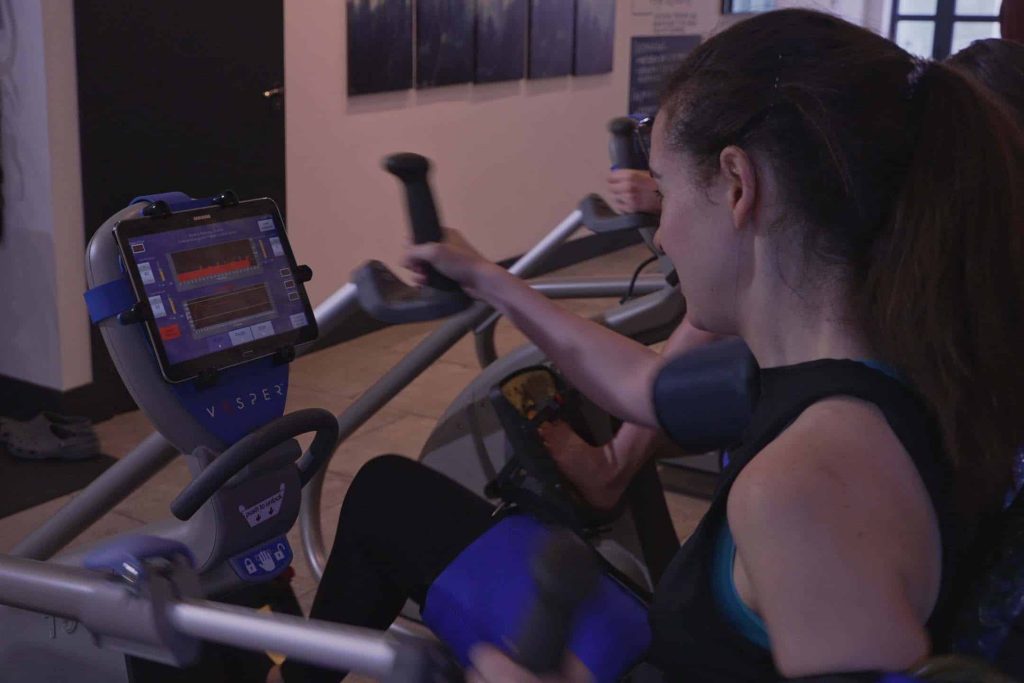
As we continue to explore the impactful relationship between wearable technology and fitness equipment, it’s clear that these innovations are not just enhancing individual workouts—they are revolutionizing our approach to health and wellness as a whole. The proliferation of wearables presents exciting possibilities for anyone looking to amplify their fitness journey. From personalized workouts to integrated equipment, there’s never been a more compelling time to step into the future of fitness!
DIVE DEEPER: Click here for more insights
Revolutionizing Gym Experiences with Data-Driven Insights
The integration of wearable technology into fitness regimens is not only reshaping how individuals engage with their workouts but also how gyms and fitness centers operate. As more users incorporate fitness trackers and smartwatches into their routines, gym equipment manufacturers have responded by developing machines that are both interactive and data-driven. This fusion creates a more personalized, effective, and engaging gym experience.
Today’s state-of-the-art fitness equipment often boasts built-in connectivity features that allow for seamless integration with wearable devices. Machines such as smart treadmills and ellipticals can now display real-time metrics from wearables, enabling users to gauge their workouts effectively. This is a notable shift from the past, where users had to rely solely on the equipment’s static data points, which often did not provide a full picture of workout efficacy.
Moreover, wearables are paving the way for a more tailored fitness experience. By utilizing data analytics, gyms can access aggregated insights on user performance and fitness trends. This information can help gym owners optimize equipment usage and tailor their offerings based on member preferences. Here are some specific ways wearables influence gym experiences:
- Individual Goal Setting: With data from wearables, users can set personalized fitness goals based on their performance metrics. Equipment can suggest challenges that align specifically with an individual’s fitness journey.
- Virtual Coaching: Many modern wearables include virtual coaching features that guide users through routines, helping them maximize their workouts with proper form and technique while syncing with gym machinery.
- Increased Engagement: Users can compete with friends or other gym members through challenges set via their wearables, enhancing the communal aspect of fitness.
The shift towards data-driven workouts is further exemplified in group fitness classes, where wearables help instructors track and analyze participants’ heart rates and overall exertion levels. This feedback can allow instructors to adjust the intensity of the class dynamically, ensuring that all participants can engage optimally based on their personal fitness levels. In this regard, wearable technology fosters a more inclusive environment where users feel empowered to push themselves while being mindful of their limitations.
Additionally, health and wellness tracking has gained significant traction through wearables, encouraging users to adopt a holistic approach to their fitness journey. Integrating sleep data, stress levels, and hydration prompts from wearables creates a comprehensive picture of an individual’s health, influencing not only workouts but overall lifestyle choices.
As wearable technology continues to thrive, the opportunities for enhancing the use of fitness equipment are boundless. The mutual relationship between wearables and gym machinery marks a new era in fitness, characterized by enhanced personalization, community engagement, and data-driven wellness practices. With these innovations, both individuals and fitness facilities stand to benefit immensely as they adapt to a future where technology becomes an integral part of fitness transformations.
| Advantages | Impact on Fitness Equipment |
|---|---|
| Enhanced Tracking | Wearable devices offer real-time data, allowing users to monitor their performance closely. |
| Personalized Workouts | Integration with fitness equipment enables tailored workout plans based on individual metrics. |
| Motivation and Accountability | Wearables encourage users to set and achieve fitness goals through reminders and performance feedback. |
| Community Engagement | Connecting with friends and others fosters a sense of community, driving competition and commitment. |
The incorporation of wearable technology in fitness routines is reshaping the landscape of health and wellness. Devices such as smartwatches and fitness trackers have become indispensable tools for fitness enthusiasts, offering them access to a wealth of data about their workouts and overall health.An important aspect is the emphasis on enhanced tracking capabilities. Wearables gather a variety of metrics—heart rate, calories burned, and workout duration—which enables users to fine-tune their exercise routines. Furthermore, wearables facilitate personalized workouts that leverage data analytics to provide custom workout plans tailored to individual fitness levels. This personalization is crucial in a market that increasingly caters to unique user experiences.Additionally, the motivational benefits of wearables cannot be overlooked. The motivation and accountability that these devices foster can lead to long-term engagement in fitness programs. Users receive feedback and insights directly on their devices, helping them stay committed to their goals. Coupled with community engagement, the social features of these technologies allow users to connect, share achievements, and participate in challenges, which can further enhance their fitness journey. Overall, the fusion of wearable technology and fitness equipment signifies a shift toward a more data-driven, interactive fitness culture that prioritizes individual needs and fosters community support.
DISCOVER MORE: Click here to learn the truth about strength training for women
Empowering Users Through Real-Time Feedback
Wearable technology has dramatically transformed the way fitness enthusiasts interact with their gym surroundings, particularly through the lens of real-time feedback. Unlike traditional workout methods where users often relied on their perceptions and periodic assessments, today’s wearables offer instantaneous insights that enhance performance and safety, ensuring that users maintain optimal training conditions.
One of the most notable advancements in this area is the ability of devices to track heart rate variability and recovery metrics during workouts. This information allows users to manage their exertion levels better. For instance, a sophisticated smartwatch can alert a user when their heart rate exceeds a predetermined threshold, encouraging them to slow down or take a break. These insights can prevent overexertion and reduce the risk of injury, which is critical for both novice and seasoned athletes alike.
Furthermore, the incorporation of biometric data into workout regimens empowers users with details about their physiological responses to different exercises. For example, advanced fitness trackers can measure oxygen saturation levels and stress responses, offering a comprehensive view of users’ body states. Gyms that integrate this kind of biometric data into their equipment not only enhance the user experience but also educate members about their own health, creating a culture of informed fitness practices.
Synergy Between Wearables and Fitness Equipment
The synergy achieved through wearable devices and fitness equipment goes beyond personal monitoring; it contributes to the overall enhancement of gym operations. For instance, many fitness centers are beginning to employ smart equipment that syncs with wearables to collect data from multiple users simultaneously. This aggregated data can inform administrators about peak times for specific machines and the popularity of various workout routines.
Moreover, this connectivity enables gyms to offer enhanced memberships with tailored benefits. Some facilities have started to include wearable integration programs, where members receive personalized reports based on their workout data. This not only motivates users to return more frequently but also fosters a sense of community through shared challenges and achievements. More importantly, it drives members towards their fitness goals in a tech-savvy, structured manner.
Gamification of Fitness Training
With wearables on the rise, the concept of gamification in fitness training is becoming increasingly prevalent. Many wearable manufacturers promote integration with fitness apps that turn workouts into a game, featuring leaderboards and digital rewards for achievement. This trend reinforces motivation, as users strive to outpace their previous performances or compete with friends. Consequently, this approach transforms the often solitary nature of personal training into a dynamic experience.
Gyms are also harnessing this gamified approach by establishing challenges and group competitions that encourage participation and camaraderie. Group leaderboards displayed on gym screens create a collective energy among members and promote accountability. As a result, wearables do not just enhance personal fitness; they enhance community ties and foster a supportive environment that motivates both individual and collaborative success.
Ultimately, the advancement of wearable technology is profoundly reshaping how fitness equipment is used in gyms across the United States. The rich data insights and feedback loops generated by wearables are paving the way for users to embark on more effective, enjoyable, and engaging fitness journeys. This transformation underscores a pivotal shift towards not only enhancing performance but also nurturing a more cohesive fitness community overall.
DISCOVER MORE: Click here to learn about age and muscle growth
Conclusion: The Future of Fitness Equipment and Wearable Technology
As we can see, wearable technology is not just a trend but a pivotal force driving the transformation of fitness equipment and user engagement. Through enhanced data accessibility and real-time feedback, wearables are equipping users with the knowledge to push their limits while prioritizing their health. This connectivity between wearables and fitness equipment allows individuals to experience personalized training plans, aligning workouts with their unique physiological responses.
Moreover, the integration of gamification strategies in fitness training is revolutionizing motivation, making it more communal and interactive than ever before. By fostering a supportive environment and leveraging features like leaderboards, users are encouraged to challenge themselves and each other. Such innovations promote accountability and create a sense of achievement that drives gym attendance and interpersonal connections.
Looking ahead, the future of fitness equipment will likely see further advancements in wearable technologies, including artificial intelligence and machine learning, leading to even smarter solutions tailored to individual needs. For fitness centers, embracing these technologies isn’t merely an upgrade; it represents a vital step towards cultivating a more informed, connected, and engaged community.
In summary, as wearable technology continues to evolve, it promises to elevate the fitness landscape, making workouts not only more effective but also enjoyable and socially rewarding. Joining this wellness revolution may foster not only personal achievements but also reinforce community bonds within local gyms, making the journey to fitness a shared and invigorating experience.

Beatriz Johnson is a seasoned fitness specialist and writer with a passion for simplifying the complexities of strength training and gym workouts. With over a decade of experience in the fitness industry, she specializes in topics like weight training techniques, workout programming, and exercise science principles. Through her work, Beatriz empowers readers to make informed fitness decisions, build sustainable training habits, and stay ahead in their journey toward stronger, healthier bodies.