
Understanding the Dynamics of HIIT and Traditional Weight Training
As fitness enthusiasts seek efficient ways to achieve their goals, two popular training methods emerge: High-Intensity Interval Training (HIIT) and Traditional Weight Training. Each offers unique benefits and challenges, making the choice highly personal for individuals based on their specific needs and preferences.
- HIIT: This training method incorporates short bursts of intense exercise, often at maximum effort, followed by brief recovery periods. For example, a typical HIIT session may involve doing 30 seconds of sprinting followed by one minute of walking, repeated for 15-20 minutes. This can lead to significant improvements in both endurance and metabolic rate.
- Traditional Weight Training: This form of exercise focuses on lifting weights through defined sets and repetitions, which helps in building muscle strength and mass. A standard weight lifting routine might involve doing three sets of 10 bench presses at a specific weight. The ability to progressively increase the weight allows for continued muscle development and strength gains.
To make an informed decision about which approach may be best for you, consider the following factors:
- Time Efficiency: One of the standout features of HIIT workouts is their time efficiency. These can often be completed in 20-30 minutes, making them ideal for individuals with busy schedules. This compact format allows for a full-body workout in a fraction of the time it would take for a traditional weight training session, which may last 60 minutes or more.
- Muscle Strength: Traditional weight training is particularly effective for building muscle strength, as it offers clear pathways for progressive overload. This means that athletes can gradually lift heavier weights over time, promoting muscle growth and strength. Advanced lifters often use techniques like periodization to optimize their training results.
- Cardiovascular Benefits: HIIT is particularly beneficial for cardiovascular health. Studies have shown that it can significantly improve aerobic capacity in a shorter period compared to moderate continuous exercise. For individuals aiming to boost their endurance efficiently, including HIIT sessions can be a game-changer.
Ultimately, the decision between HIIT and traditional weight training is highly personal and depends on individual fitness goals, preferences, and lifestyle. For example, someone looking to improve their sprinting speed may gravitate toward HIIT, while someone focused on bulking up might prefer traditional weight training methods.
Understanding the distinctions between these training styles can greatly impact not only your fitness journey but also your long-term health and well-being. By exploring the intricacies of HIIT and traditional weight training, you can uncover the best path forward for achieving your fitness aspirations.
Evaluating the Benefits of HIIT and Traditional Weight Training
When it comes to fitness, understanding the unique dynamics of High-Intensity Interval Training (HIIT) and Traditional Weight Training is crucial for making informed decisions that align with your goals. Both training methods come with distinct advantages, making them popular choices in gyms across the United States.
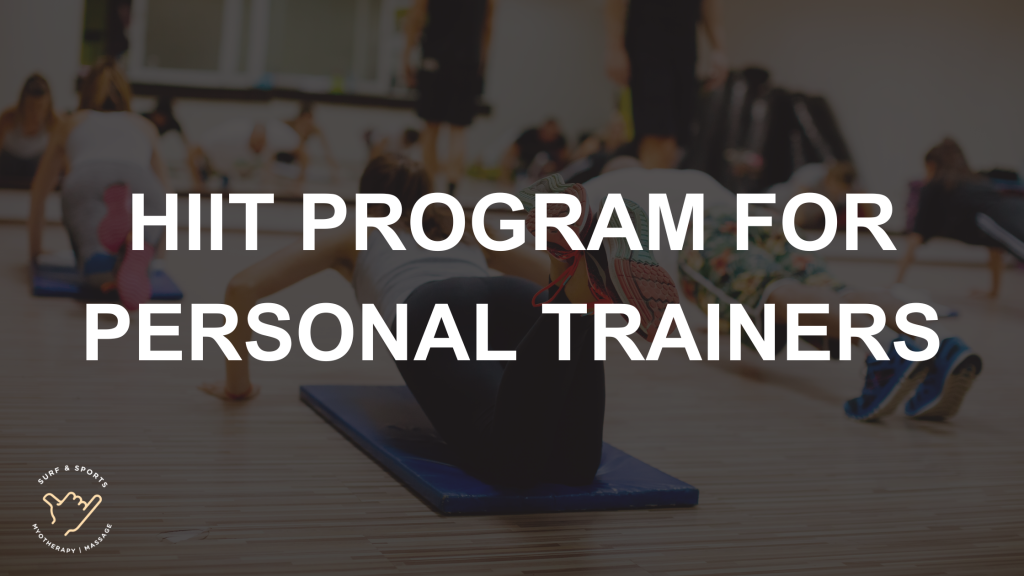
One of the most appealing aspects of HIIT is its ability to pack substantial health benefits into a short time frame. Research indicates that HIIT can burn a significant amount of calories in a shorter period compared to traditional cardio workouts. For instance, a 2019 study published in the Journal of Sports Medicine showed that participants performing HIIT burned approximately 30% more calories than those engaging in steady-state cardio over the same duration. This efficiency is one reason many busy professionals prefer HIIT—they can achieve a high-calorie burn without spending hours at the gym.
In contrast, Traditional Weight Training offers a structured and progressive approach to muscle building. For many, the primary allure is the power of progressive overload, which involves gradually increasing the weight lifted in order to enhance strength and muscle mass over time. The American College of Sports Medicine recommends incorporating strength training exercises at least twice a week to complement aerobic activities for overall fitness. Lifting weights not only sculpts the body but also boosts resting metabolic rate, helping individuals maintain a healthy weight or lose body fat more effectively.
- Flexibility in Training: HIIT routines can be easily adjusted to fit various fitness levels, ensuring that beginners can start at a pace comfortable for them while advanced athletes can challenge themselves with more intense intervals.
- Risk of Injury: Without proper form and caution, traditional weight training can lead to injuries, particularly when lifting heavy weights. It requires attentive focus on technique, making mindfulness essential for effective workouts.
- Variety of Workouts: HIIT can easily incorporate multiple exercises, from burpees to squat jumps to cycling. This variety keeps workouts fresh, an important factor for many looking to stay motivated and engaged.
- Strength vs. Endurance: While HIIT significantly boosts cardiovascular health and can improve endurance, traditional weight training primarily targets muscle strength and hypertrophy.
As you weigh the benefits of each approach, consider your personal fitness objectives. If your aim is to enhance cardiovascular endurance while keeping your workouts quick and varied, HIIT may be your optimal choice. Meanwhile, if building strength and developing muscle mass is your priority, traditional weight training could suit you better. Ultimately, the right choice will depend on balancing your goals, preferences, and lifestyle.
Understanding the benefits and limitations of both HIIT and traditional weight training is vital in charting your fitness journey. Each method has the potential to yield impressive results, so explore how each aligns with your aspirations and make decisions that promote both health and satisfaction.
| Category | Advantages |
|---|---|
| High-Intensity Interval Training (HIIT) | Time-efficient workouts that maximize calorie burn in shorter durations. |
| Metabolic Boost | Promotes afterburn effect, leading to calorie burn post-exercise. |
| Traditional Weight Training | Builds strength and promotes muscle growth effectively over time. |
| Functional Fitness | Enhances core stability and overall functional capacity. |
When it comes to choosing between high-intensity interval training (HIIT) and traditional weight training, the decision can feel overwhelming. Each method has its unique strengths and appeals to different fitness goals. HIIT is renowned for its time-effective approach, allowing participants to achieve significant results within shorter workouts, making it ideal for those with a busy lifestyle. In contrast, traditional weight training focuses on strength and muscle growth over time, appealing to those who prefer a structured, gradual approach to fitness.Moreover, HIIT’s ability to boost metabolism long after the workout ends is a compelling feature for many. The “afterburn effect,” scientifically known as excess post-exercise oxygen consumption (EPOC), means you’re still burning calories even after the session is over. On the other hand, traditional weight training emphasizes core strength, functional movements, and the longevity of fitness, which are crucial for daily activities and overall well-being.Understanding your fitness goals, body composition, and personal preferences will play a significant role in determining which method aligns best with your lifestyle. Whether you lean towards the quick bursts of HIIT or the gradual strength building of weight training, both paths offer valuable benefits worth exploring.
Understanding the Drawbacks and Considerations of HIIT and Traditional Weight Training
As we delve deeper into the comparison of High-Intensity Interval Training (HIIT) and Traditional Weight Training, it’s important to acknowledge that, despite their numerous benefits, each method carries its own set of drawbacks that might influence your decision to choose one over the other.
One significant factor to consider with HIIT is the potential for burnout and fatigue. The intense nature of these workouts can lead to overtraining if adequate recovery is not prioritized. A study from the European Journal of Applied Physiology highlighted that while HIIT offers fantastic cardiovascular benefits, it also poses a risk of excessive fatigue, which can hinder performance and motivation. A well-rounded fitness regimen must include rest days and lighter workout sessions to prevent the physical and mental exhaustion often associated with high-intensity training.
On the other hand, Traditional Weight Training can present challenges for beginners or those unfamiliar with proper lifting techniques. Learning the correct form is paramount, as poor technique can lead to injuries and ineffective workouts. A report from the National Institute for Occupational Safety and Health (NIOSH) emphasizes the importance of education in weightlifting to ensure safety, as injuries related to improper lifting can lead to prolonged setbacks. For individuals who may be intimidated by the weight room or lack a structured program, the transition to weight training may feel daunting, but leveraging the guidance of a certified trainer can provide the necessary support.
- Time Commitment: While HIIT may be time-efficient for workouts, incorporating it into a regular routine still demands commitment. Conversely, traditional weight training sometimes requires longer sessions, particularly for individuals focusing on different muscle groups across several days.
- Equipment Accessibility: HIIT often requires minimal equipment, making it accessible for home workouts or outdoor sessions. In contrast, traditional weight training typically requires access to weights and machines, which may limit some individuals if they do not belong to a gym.
- Age Considerations: HIIT can be especially taxing on joints and may not be suitable for older adults or those recovering from injuries. Traditional weight training, when performed correctly, offers a low-impact alternative that can be tailored to accommodate various fitness levels, making it a safer option for many.
- Long-Term Goals: For those focused on fat loss and cardiovascular fitness, HIIT can provide quick results. However, when it comes to sustaining these results in the long term, traditional weight training can instill habits that nurture muscle memory and ongoing strength gains.
Both training styles have valuable contributions to overall health, but the choice you make should resonate with your long-term fitness ambitions and personal circumstances. It is worthwhile to reflect on your lifestyle, preferences, and any existing physical limitations, as these will ultimately shape the most suitable path for your fitness journey.
As you review the intricate details of both HIIT and traditional weight training, consider consulting with fitness professionals or conducting further research that aligns with your interests. Embracing the lifestyle that best fits your needs will be key to achieving sustained success and satisfaction in your training endeavors.
DISCOVER MORE: Click here to get workout tips and equipment suggestions
Conclusion: Navigating Your Fitness Journey
In the dynamic landscape of fitness, the debate between High-Intensity Interval Training (HIIT) and Traditional Weight Training is not merely a matter of preference; it revolves around understanding personal goals, physical capacities, and lifestyle considerations. By examining your unique objectives—whether they lean toward rapid fat loss, improved cardiovascular health, or building strength and muscle endurance—you can make informed decisions that align with your aspirations.
Recognizing that both training styles differ significantly, you may find that integrating elements from each approach could maximize your fitness results. HIIT offers unparalleled efficiency and cardiovascular conditioning, making it suitable for those seeking quick and effective workouts. Conversely, traditional weight training delivers consistent strength gains and can serve as a foundational element for long-term fitness and body composition improvements. Also, its suitability for various age groups and fitness levels cannot be understated.
Moreover, be mindful of potential limitations and risks associated with each method. For instance, prioritize rest and recovery when engaging in HIIT to avoid the pitfalls of burnout, while ensuring proper form and technique during weight training to mitigate injury risk. Consulting fitness professionals can provide valuable insights tailored to your individual circumstances, enhancing your journey toward lasting health and fitness.
Ultimately, the choice between HIIT and Traditional Weight Training should resonate with who you are and what you wish to achieve. As you continue to explore these training modalities, consider the road less traveled—combining diverse methodologies to create a holistic fitness experience that invigorates both body and mind. In doing so, you’ll not only achieve your goals but potentially discover a newfound passion for fitness that fuels a healthier, happier lifestyle.

Beatriz Johnson is a seasoned fitness specialist and writer with a passion for simplifying the complexities of strength training and gym workouts. With over a decade of experience in the fitness industry, she specializes in topics like weight training techniques, workout programming, and exercise science principles. Through her work, Beatriz empowers readers to make informed fitness decisions, build sustainable training habits, and stay ahead in their journey toward stronger, healthier bodies.