
Understanding Gender Differences in Muscle Growth
Resistance training is not just a fitness trend; it is a scientifically-backed method of building strength and muscle mass. However, intriguing disparities exist between how men and women respond to these workouts, based primarily on biological and hormonal factors. By grasping these differences, anyone engaged in fitness—from gym goers to professional personal trainers—can optimize training regimens for enhanced outcomes that suit individual needs.
Key factors contributing to these differences include:
- Hormonal Influences: Testosterone is a key hormone that significantly influences muscle hypertrophy. Men generally have higher testosterone levels, which contributes to greater muscle mass gain compared to women. Research has shown that higher testosterone levels correlate with enhanced muscle recovery and growth. This is why men often experience faster progressive overload results—where one progresses in weight and resistance over time—than their female counterparts.
- Muscle Fiber Composition: Scientific studies reveal that men typically have a greater proportion of type II muscle fibers, also known as fast-twitch fibers. These fibers are more geared towards high-intensity activities and are fundamental in promoting rapid muscle growth and strength. Women, on the other hand, usually possess a larger share of type I fibers, which are more suited for endurance, allowing them to perform well in prolonged activities but making it more challenging for them to pack on mass.
- Protein Synthesis: Muscle protein synthesis is crucial for recovery and muscle development. Research suggests that women experience different rates of protein synthesis post-exercise compared to men. They tend to have a more sustained and slower rate of muscle repair, which could suggest that women may benefit from longer recovery periods between training sessions to maximize their muscle adaptation.
While both genders can achieve significant muscle gains through resistance training, the characteristics of these gains often vary. For instance, women frequently see considerable enhancements in muscle endurance and functional strength, while men typically increase sheer muscle mass, reflecting the hormonal and physiological differences that exist between them.
This understanding is essential for fitness enthusiasts and personal trainers alike. The divergent pathways of muscle growth underscore the need for personalized training programs. Tailoring workouts to accommodate individual differences—not just gender, but also overall fitness levels, goals, and unique anatomical structures—can promote more effective and satisfying results. Newly designed programs that reflect these insights will allow both men and women to achieve their fitness aspirations, honing in on exactly what their bodies require for optimal performance and outcomes.
To fully harness these differences, diving deeper into research on muscle growth and gender can aid trainers and athletes in crafting more effective resistance training regimens. Exploring contemporary studies and expert guidelines can provide invaluable resources to help refine the path to muscle growth and strength, thus leading to impressive and personalized fitness transformations.
DIVE DEEPER: Click here to uncover the benefits of periodization
The Biological Basis of Muscle Growth Disparities
To fully appreciate the gender differences in muscle hypertrophy, it is essential to delve into the biological foundations that influence how men and women develop muscle in response to resistance training. Understanding these distinctions not only highlights why training effects vary between genders but also aids individuals in forming better strategies to attain their fitness goals.
A major player in the story of muscle growth is hormone regulation. Testosterone, predominantly found in higher concentrations in men, plays an indispensable role in muscle development. Elevated levels of testosterone amplify muscle protein synthesis, enhancing the body’s ability to recover from and adapt to resistance training. This results in men being able to lift heavier weights more quickly and to experience significant strength gains in a shorter time frame. In fact, studies show that men can see up to a 20-30% increase in muscle mass during the initial months of training, largely due to this hormonal advantage.
In contrast, women have lower levels of testosterone; however, their muscle-building process is equally fascinating. Although they may not gain mass at the same rapid rate, women often experience more favorable adaptations in terms of muscle endurance and functional strength. Training programs that focus on endurance and variation can yield substantial improvements in overall performance, making strength training essential not only for muscle size but for increasing capabilities in daily activities.
Muscle fiber composition also has a profound effect on how each gender builds muscle. As mentioned previously, men typically exhibit a higher proportion of type II (fast-twitch) fibers, which are specialized for high-intensity activities. This muscle fiber type can generate quick bursts of power and strength, ideal for explosive movements. Women generally have a greater distribution of type I (slow-twitch) fibers, which favor endurance and efficiency during prolonged activities. This discrepancy implies that men may excel in exercises requiring heavy lifting or intense short-duration workouts, while women may find their strength increasing in sustaining lower-intensity exercises over time.
Another noteworthy factor is muscle protein synthesis rates. Research indicates that after resistance training, women experience a slower and more sustained muscle recovery process than men. This could mean that women may benefit from more extended recovery periods between workouts to optimize muscle adaptation while preventing overtraining. Developing a nuanced understanding of these recovery needs may be key to designing effective training programs that account for both gender differences.
- Men: Often experience faster muscle gains due to higher testosterone levels, particularly in initial training stages.
- Women: May experience greater improvements in muscle endurance and functional strength due to their different muscle fiber composition.
- Protein Synthesis: Women may benefit from longer recovery times, emphasizing the need for individualized training regimens.
Recognizing these biological and physiological factors is crucial for both trainers and trainees. By tailoring workouts to leverage these inherent differences, individuals can enhance their training efficiency and overall satisfaction with their fitness journey. Understanding that gender differences in muscle hypertrophy are rooted in science serves as a valuable guide for optimizing resistance training for both men and women.
Understanding Muscle Hypertrophy in Men and Women
The phenomenon of muscle hypertrophy—the increase in muscle mass due to resistance training—presents intriguing differences between genders. While both men and women can achieve significant gains in strength and muscle size, the underlying physiological responses vary, leading to distinct training outcomes.
The Role of Hormones
A fundamental factor influencing muscle hypertrophy is hormonal differences. Testosterone, predominant in men, has a potent effect on muscle protein synthesis, promoting larger muscle gains. Conversely, women possess lower testosterone levels, which may result in a more gradual increase in muscle size. However, women benefit from higher levels of estrogen, which can protect against muscle breakdown, allowing for effective training regimens that still result in impressive strength gains.
Muscle Fiber Distribution
The distribution of muscle fibers also contributes to the variance in hypertrophic response. Men typically have a higher proportion of type II (fast-twitch) muscle fibers, which are linked to greater explosive strength and hypertrophy. Women, by comparison, often have more type I (slow-twitch) fibers, beneficial for endurance but less so for maximum muscle growth. This suggests that training regimens might be tailored differently, with men focusing on heavier lifts and women potentially benefiting from high-repetition schemes that enhance endurance and muscle tone.
Resistance Training Protocols
When it comes to resistance training protocols, it is essential to consider these physiological differences. Research indicates that women may respond favorably to higher volume training with lighter weights, while men might excel with lower volume and heavier loads. This does not imply that one method is superior to the other; rather, understanding and leveraging these differences can enhance exercise programs tailored to individual goals.
Performance Psychology
Moreover, psychological aspects can play a role in how men and women engage with resistance training. Studies highlight that women often exhibit higher levels of self-consciousness in gym environments, which can affect their motivation and adherence. Creating supportive training atmospheres and emphasizing body positivity may encourage more women to fully engage in resistance training and achieve their goals.The dialogue surrounding gender differences in muscle hypertrophy provides a multifaceted understanding of how men and women respond to resistance training. By acknowledging these distinctions, trainers, coaches, and fitness enthusiasts can develop more effective and inclusive training programs that respect individual capabilities and encourage greater participation in strength training.
| Category | Benefits |
|---|---|
| Hormonal Influence | Men’s higher testosterone leads to greater muscle size; women’s estrogen aids in recovery. |
| Muscle Fiber Types | Men excel in short-term gains; women benefit from endurance and long-term training. |
DIVE DEEPER: Click here to learn more
Training Approaches and Their Impact on Muscle Hypertrophy
When discussing gender differences in muscle hypertrophy, it is essential to explore not only the biological underpinnings of muscle growth but also the effects of various training approaches. Different resistance training modalities can lead to diverse adaptations in muscle size and strength between men and women. Tailoring these approaches to individual needs can significantly enhance training outcomes.
Progressive overload is a core principle in strength training, and how men and women implement it can often differ. Men tend to focus on increasing weight and intensity quickly in their workouts. This often results in greater muscle hypertrophy due to their biological predisposition, enabling them to maximize the gains from added resistance. Studies support this notion, showing that men can typically increase their one-repetition maximums—measuring the heaviest weight they can lift for one repetition—substantially compared to women during the initial phases of resistance training.
On the other hand, women often excel at practicing muscle endurance and may prefer higher repetitions with lower weights. This approach not only reflects their physiological capabilities but also aligns with their training preferences, as many women prioritize overall fitness and tonality rather than sheer mass. Various workout programs—including circuit training, CrossFit, and high-repetition hypertrophy training—have emerged, demonstrating that women can achieve significant improvements in muscle endurance and functional strength through these methods.
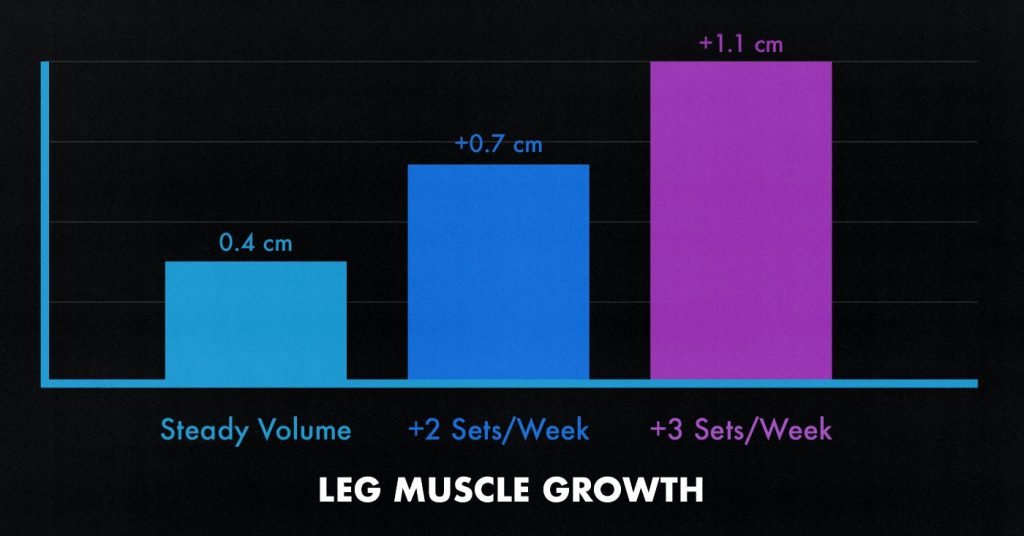
Moreover, the frequency and volume of training can also play a pivotal role in muscle growth outcomes. Men typically train with higher volume and frequency, utilizing more sets and exercises targeting each muscle group. Conversely, women often benefit from balanced training regimens that emphasize recovery and targeted strength exercises. Current recommendations suggest that for optimal hypertrophic adaptations, both genders should consider training each muscle group at least two times per week, allowing for adequate recovery time.
Another critical aspect to consider is the importance of nutritional strategies in supporting strength training goals. Protein intake is vital for muscle repair and growth, and there are notable distinctions in consumption patterns between men and women. Men generally consume more protein overall, which directly influences their ability to support muscle hypertrophy. Women, on the other hand, may need to consciously increase their protein intake to align with their training goals, particularly during resistance training cycles aimed at hypertrophy.
- Progressive Overload: Men typically increase weight/intensity quickly; women focus on muscle endurance with higher repetitions.
- Training Frequency and Volume: Men usually train with higher volumes, while women may benefit from balanced regimens emphasizing recovery.
- Nutritional Strategies: Men often consume more protein, whereas women might need to increase protein intake to maximize muscle growth.
As such, understanding these different approaches and how they pertain to muscle hypertrophy for men and women can empower individuals to tailor their training regimens effectively. By recognizing the unique advantages each gender brings to the table and aligning their workouts with these insights, fitness enthusiasts can make more informed decisions in their quest for muscle growth and overall strength enhancement.
DISCOVER MORE: Click here to learn about effective warming up and cooling down techniques</a
Conclusion
In summation, the exploration of gender differences in muscle hypertrophy reveals a complex interplay of biology, training approaches, and nutritional strategies that dictate how men and women respond to resistance training. While traditional beliefs often characterize men as the more physiological “muscle gainers,” it is crucial to recognize that women possess unique strengths and advantages in their own right. Understanding these differences not only informs training strategies but also empowers individuals to maximize their potential.
The contrast in resistance training techniques—where men often emphasize heavier weights and intensity, and women gravitate towards higher repetitions for muscle endurance—demonstrates that both genders can adopt strategies beneficial to their goals. Training frequency and volume further highlight the need for personalized workout plans that accommodate individual capabilities and recovery needs. Moreover, the importance of tailored nutritional strategies cannot be overlooked, as protein intake is essential for both genders in achieving optimal hypertrophic adaptations.
As we delve deeper into the realms of fitness and wellness, understanding these nuanced differences may foster a more inclusive environment within the strength training community. With a commitment to education and progress, enthusiasts of all genders can explore the potentials inherent in resistance training, enabling them to challenge stereotypes and redefine strength on their own terms. Ultimately, embracing these gender-based distinctions can lead to more effective training programs and a stronger, more diverse fitness landscape.

Beatriz Johnson is a seasoned fitness specialist and writer with a passion for simplifying the complexities of strength training and gym workouts. With over a decade of experience in the fitness industry, she specializes in topics like weight training techniques, workout programming, and exercise science principles. Through her work, Beatriz empowers readers to make informed fitness decisions, build sustainable training habits, and stay ahead in their journey toward stronger, healthier bodies.