
Enhancing Daily Performance Through Training
In a fast-paced world, functional strength training has emerged as a pivotal approach to enhance daily performance. It’s not just about lifting weights; it’s about preparing your body for real-life challenges. This innovative training methodology focuses on exercises that mimic daily activities, fostering strength and stability. By focusing on movements that are performed in everyday tasks, functional strength training empowers individuals to move through life with greater ease and confidence.
One of the most notable key benefits of functional strength training is its ability to lead to increased overall strength. This is achieved through targeted exercises that engage multiple muscle groups simultaneously. For example, squats and lunges work not only the legs but also the core, promoting a holistic development of body strength which directly translates to improved performance in routine activities like standing up from a chair or walking on uneven ground.
Improved balance and coordination are further advantages that functional strength training can offer. Exercises such as single-leg deadlifts and stability ball movements challenge the body’s balance and coordination systems. This is especially important as we age, helping to prevent falls and accidents that may occur due to diminished stability.
Another essential benefit is the enhanced flexibility and mobility gained through these training techniques. Movements that require reaching, twisting, or bending mirror daily life activities. Incorporating exercises that promote flexibility, like dynamic stretching or yoga-inspired movements, ensures your joints maintain their full range of motion, easing the performance of tasks such as gardening or picking up children.
Moreover, functional training aids in the reduction of injury risk, as it teaches the body to execute movements safely and efficiently. By training the body to use proper mechanics during tasks, individuals are less likely to strain muscles or joints, leading to a healthier lifestyle overall. Efficient movement patterns can help prevent common injuries, particularly for those who engage in physically demanding hobbies.
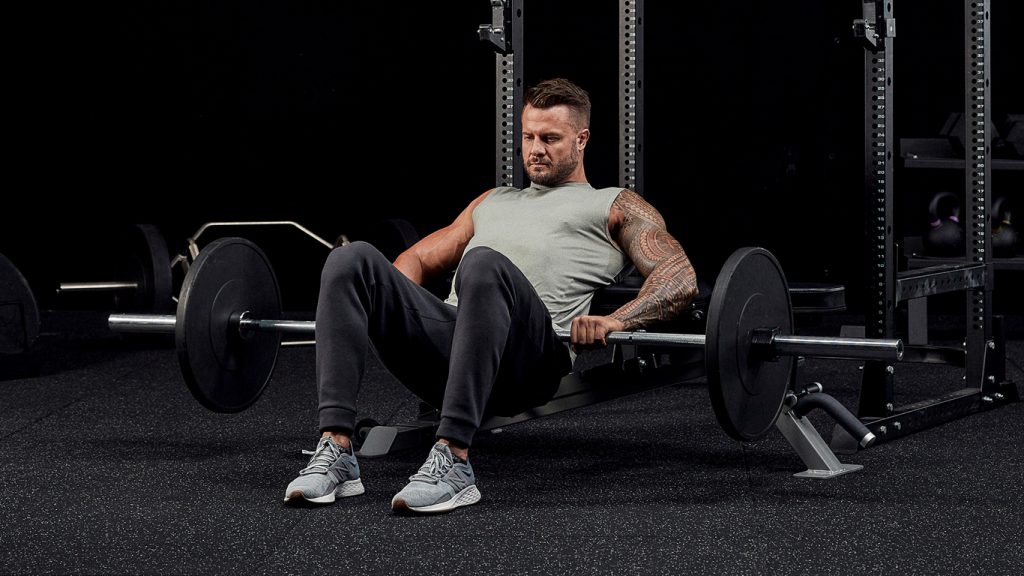
Better posture is another significant outcome of functional strength training. Many modern lifestyles involve prolonged sitting, which can negatively impact spine alignment. Functional exercises help reinforce proper alignment and strengthen the muscles responsible for maintaining good posture, aiding in overall health and reducing back pain.
Consider mundane yet challenging activities like lifting grocery bags, climbing stairs, or playing with children. Each of these actions demands a blend of strength, endurance, and coordination. By integrating functional strength techniques into your workouts, you develop the physical capabilities necessary for performing everyday tasks with ease and efficiency. Think of performing squat motions while loading groceries or using your core stability when playing catch with your kids.
This article will delve into various techniques and exercises designed to optimize your body’s functionality in routine scenarios. Expect to explore moves that focus on core stabilization, multi-joint movements, and exercises tailored for functional fitness that can be adapted to any skill level or age group. Ultimately, you will learn how to transform your workout regimen to support not just athletic endeavors, but also the myriad demands of everyday life.
LEARN MORE: Click here to discover essential injury prevention strategies
Exploring Techniques of Functional Strength Training
To truly harness the benefits of functional strength training, it is essential to understand specific techniques that not only enhance performance but also fortify the body against the rigors of daily life. These techniques encompass a variety of exercises that replicate common movements and tasks. By diligently incorporating these moves into your fitness routine, you can witness significant improvements in your ability to navigate life’s challenges with agility and strength.
At the foundation of functional strength training lies a focus on multi-joint movements. Unlike isolation exercises that target a single muscle group, multi-joint exercises engage several muscles at once, fostering a more integrated strength profile. Not only do these exercises build strength, but they also mirror natural movements, reinforcing the body’s ability to function effectively in everyday situations. Here are some core multi-joint exercises that can be incorporated:
- Squats: A fundamental movement pattern that strengthens the legs and core, mimicking the action of sitting down and standing up.
- Deadlifts: Focusing primarily on the posterior chain, this exercise is crucial for activities that involve lifting objects off the ground.
- Overhead Press: This movement develops shoulder and upper back strength, vital for reaching overhead or lifting light objects.
- Lunges: They enhance leg strength and stability, facilitating actions like climbing stairs or walking on uneven surfaces.
- Push-Ups: An excellent full-body exercise that builds upper body strength and core stability, needed for various pushing movements in everyday tasks.
One of the hallmark aspects of functional training is the emphasis on core stabilization. A strong core provides a stable foundation for nearly every movement. Engaging in exercises like planks, side planks, and rotational movements helps to enhance core strength, which is indispensable for maintaining balance and posture during more dynamic activities. This stability is critical not only for peak performance in sports but also for routine actions such as holding a child safely or balancing while reaching for items on a high shelf.
In addition, dynamic movements that incorporate agility and coordination are essential elements of functional strength training. Movements such as kettlebell swings, medicine ball throws, or agility ladder drills push the limits of speed and finesse. Training in this way not only makes one more responsive but also cultivates a heightened awareness of body mechanics, enabling individuals to make necessary adjustments during unforeseen physical demands—think of catching yourself while tripping or adjusting your body to prevent a fall.
To truly optimize the benefits of functional strength training, it is also crucial to pay attention to progressive overload. This principle involves gradually increasing the resistance or complexity of exercises to continually challenge the body and promote strength gains. For instance, you might start with bodyweight squats before progressing to weighted squats or incorporating instability elements like a balance disc.
As you explore these functional strength training techniques, remember that the ultimate goal is to integrate strength, balance, coordination, and flexibility into your everyday life. The results will not only enhance your athletic performance but significantly ease the performance of daily activities. In the following sections, we will delve deeper into more specialized movements and routines that further emphasize practical applications in your life.
| Category | Advantages |
|---|---|
| Injury Prevention | Reduces the risk of injuries during daily activities by enhancing muscle stability and coordination. |
| Enhanced Mobility | Promotes functional flexibility, leading to easier movements and a greater range of motion in everyday tasks. |
| Improved Physical Endurance | Boosts stamina, allowing individuals to perform daily chores with less fatigue and greater efficiency. |
| Balanced Muscle Development | Encourages balanced strength across muscle groups, enhancing overall physical performance. |
Engaging in Functional Strength Training empowers individuals to tackle everyday tasks with enhanced performance. This training regimen focuses on movements that are relevant to day-to-day activities, making it practical and highly beneficial. For example, lifting groceries or climbing stairs becomes easier as one’s strength and endurance improve. Additionally, a well-designed program can cater to various skill levels, ensuring that both novices and seasoned athletes can gain substantial advantages.Overall, mastering functional strength training techniques is not just about improving fitness; it’s about enhancing quality of life. Embracing these training methods allows individuals to move more freely, feel stronger, and decrease the chances of injury in routine scenarios. This approach not only builds physical capabilities but also instills confidence, providing a powerful incentive for people to embrace an active lifestyle.
DISCOVER MORE: Click here to learn about injury prevention through strength training
Integrating Functional Strength Training into Your Routine
To fully harness the benefits of functional strength training, it is pivotal to implement a structured approach that not only focuses on strength but also on endurance and mobility. As you develop your routine, integrating compound movements and adaptable exercises can yield significant returns in functional performance. Understanding how to interweave these various elements can elevate your fitness journey from mundane to remarkable.
One effective way to ensure diversity in your training is through circuit training. This method combines several functional exercises into a sequence that targets different muscle groups, promoting cardiovascular endurance alongside strength. For instance, a circuit might include push-ups, kettlebell swings, burpees, and jump squats, performed back-to-back with limited rest in between. This not only enhances functional fitness capacities but also aids in maintaining an elevated heart rate, improving overall stamina—a crucial aspect for tasks such as carrying groceries or managing daily errands without fatigue.
Another vital component is the incorporation of flexibility and mobility work into your regimen. Exercises such as dynamic stretching, yoga, or Pilates can significantly improve your range of motion, which is essential for maintaining a functional lifestyle. Enhanced flexibility minimizes the risk of injuries during everyday activities and can be as simple as ankle mobility drills for better walking, or hip openers to facilitate better leg movement when climbing stairs. Moreover, stretching complements strength training by allowing muscles to recover and function optimally.
It is also crucial to consider the role of balance training within the domain of functional strength. As we age, maintaining balance becomes increasingly vital for preventing falls and ensuring independence. Incorporating exercises like single-leg stands, Bosu ball squats, or yoga tree poses can dramatically enhance stability. These exercises challenge your body’s ability to stabilize itself, simulating the balance required when stepping on uneven surfaces or navigating crowded places.
Moreover, your functional training regime need not be confined to the gym. Incorporating movement into your everyday tasks can solidify the training you do outside a traditional workout environment. Think about engaging in activities such as yard work, walking the dog, or taking the stairs instead of the elevator. Such opportunities provide practical applications for the strength you build during focused training, reinforcing the daily relevance of functional strength.
Lastly, keeping track of your progress using a fitness journal or app can serve as powerful motivation. Documenting your workouts—such as noting the weights you lift, the number of reps, or even the durations of your circuits—can provide insights into your evolving capabilities and encourage you to push your limits further. Numerous apps are available, tailored to functional training, enabling you to customize your workouts and set achievable yet challenging goals.
By exploring these diverse techniques—combining strength, flexibility, balance, and endurance—you can cultivate a truly holistic approach to functional strength training. This comprehensive strategy not only prepares your body for the routine challenges of life but elevates your overall wellbeing, paving the way for a vibrant, active lifestyle.
DISCOVER MORE: Click here for insights
Conclusion
Embracing functional strength training is essential for those looking to enhance their performance in daily activities, providing a newfound vitality to everyday tasks. As we have explored, incorporating a variety of techniques—such as circuit training, flexibility exercises, balance training, and mobility work—creates a well-rounded fitness regimen that translates directly to the challenges of daily life. The beauty of functional strength training lies in its adaptability; it can be tailored to suit individual fitness levels while promoting a sense of achievement and progress.
Engaging in activities that integrate these training principles into real-life scenarios, from household chores to taking the stairs, reinforces the functional benefits gained in the gym. It’s critical to recognize that the essence of this training is not just about lifting weights, but about preparing your body for the movements and challenges encountered in daily living. It fosters independence, supports longevity, and ultimately cultivates a more active lifestyle.
Moreover, maintaining a fitness journal or using dedicated apps allows individuals to track their improvements, setting specific goals and celebrating successes along the way. Just as no two workouts are the same, no two fitness journeys are identical. By committing to a program of functional strength training, you empower yourself to become more resilient and capable, ensuring that each day is approached with enthusiasm and strength.
In conclusion, whether you are a seasoned athlete or a beginner looking to improve overall health, functional strength training offers a meaningful pathway toward greater vitality and confidence in navigating daily tasks. The impact of this training extends far beyond physical strength—it reverberates through an enhanced quality of life, urging each of us to step into the fullness of our potential.

Beatriz Johnson is a seasoned fitness specialist and writer with a passion for simplifying the complexities of strength training and gym workouts. With over a decade of experience in the fitness industry, she specializes in topics like weight training techniques, workout programming, and exercise science principles. Through her work, Beatriz empowers readers to make informed fitness decisions, build sustainable training habits, and stay ahead in their journey toward stronger, healthier bodies.