
The Importance of Fitness Tools in Rehabilitation
Rehabilitation is a multifaceted journey for those recuperating from injuries or surgical procedures, and the use of appropriate fitness equipment significantly enhances the recovery process. Selecting the right tools is essential, as they not only facilitate physical rehabilitation but also improve mental well-being by empowering individuals to regain strength and mobility.
- Safety is paramount: It is crucial that equipment supports gentle yet effective movements. Overexerting during rehabilitation can lead to setbacks, making safety a top priority. Many pieces of equipment, like weighted vests or low-resistance bands, are specifically engineered to encourage gradual progression while ensuring patients do not overshoot their capabilities.
- Variety of tools available: There is an extensive range of rehabilitation tools, from resistance bands and stability balls to specialized machines such as anti-gravity treadmills and rehabilitation ellipticals. These diverse options allow practitioners to customize rehabilitation programs, catering to individual needs and preferences.
- Expert guidance is key: Professional trainers and physical therapists are essential to the effective use of rehabilitation tools. Their expertise not only helps in selecting the right equipment but also in devising tailored exercise regimens that maximize recovery while considering each patient’s unique circumstances.
Each piece of fitness equipment is meticulously designed with specific functionalities that cater to diverse rehabilitation needs. For example, therapeutic exercise bands allow for gradual resistance and strengthening of muscles without putting undue stress on joints. This is especially beneficial for those recovering from knee or shoulder injuries. On the other hand, stationary bikes provide a low-impact cardiovascular workout that can improve heart health and endurance without risking injury.
In the United States, the importance of rehabilitation fitness equipment has gained prominence in recent years. Healthcare professionals now advocate for a proactive approach to rehabilitation, emphasizing the need for targeted recovery objectives. Utilizing the right tools is essential for preventing further injuries, enhancing recovery speed, and improving overall outcomes.
As we delve into this topic, we will examine the significance of choosing the right fitness equipment for rehabilitation purposes, spotlighting effective training methods and the multitude of benefits they offer. Join us on this exploration of how choosing the appropriate tools can pave the way for a quicker, safer, and more empowered recovery journey.
DISCOVER MORE: Click here for insights on sleep and recovery
Essential Fitness Equipment for Effective Rehabilitation
When it comes to rehabilitation, the equipment used can make a significant difference in recovery outcomes. Selecting the right fitness tools not only assists in regaining physical capabilities but also supports mental resilience. This connection is crucial for individuals aiming to bounce back from physical setbacks, allowing them to engage in exercises tailored to their personal recovery goals.
One of the most prevalent types of equipment utilized in rehabilitation settings is resistance bands. Known for their versatility, these bands are invaluable for patients recovering from various injuries. They provide adjustable resistance, enabling users to gradually increase the intensity of their workouts without straining themselves. This is particularly beneficial for individuals working on strength training for injured limbs or developing stability in areas that have undergone surgery.
Key Types of Rehabilitation Equipment
- Stability Balls: Ideal for improving core strength and balance, stability balls can be incorporated into a range of exercises. They provide an unstable surface, compelling users to engage their core muscles as they perform movements, thereby enhancing stabilization skills essential for daily activities.
- Weighted Vests: These are beneficial for patients who are ready to take their rehabilitation to the next level. By adding weight, users can enhance resistance training while ensuring low-impact movements. This equipment assists in building muscle and improving endurance without the risks associated with traditional heavy lifting.
- Therapy and Stationary Bikes: Excellent options for low-impact cardiovascular workouts, stationary bikes help improve circulation and build lower body strength. They are often used for patients recovering from knee and hip surgeries, providing an effective way to regain mobility while minimizing stress on the joints.
- Anti-Gravity Treadmills: A revolutionary tool in rehabilitation, these treadmills utilize unweighting technology to decrease the impact on joints. They allow patients to walk or run without the full force of their body weight, making them particularly helpful for those recovering from lower limb injuries.
Implementing a targeted approach with the right rehabilitation fitness equipment is crucial. Evidence suggests that utilizing specialized tools can significantly speed up recovery and mitigate the risk of re-injury. As healthcare providers across the United States increasingly recognize the significance of tailored rehabilitation programs, the demand for appropriate equipment types has surged. Not only do these tools assist patients in their journey back to health, but they also empower them, fostering a sense of control over their rehabilitation.
Furthermore, ensuring that patients receive adequate guidance in using this equipment is vital. Professional trainers and physical therapists play an essential role in educating individuals about how to use each piece of equipment safely and effectively. They can offer insights on appropriate exercises tailored to each patient’s specific injury or surgery, ensuring that rehabilitation continues at a safe and effective pace.
Understanding the Role of Fitness Equipment in Rehabilitation
In the realm of rehabilitation, the right fitness equipment can serve as an invaluable asset, enabling individuals to regain strength, improve mobility, and enhance overall well-being. The integration of technology in fitness equipment offers tailored solutions that cater to various needs, thus ensuring that patients receive safe and effective training regimens.
Types of Fitness Equipment for Rehabilitation
Rehabilitation centers often employ specialized equipment designed to meet the diverse needs of their clients. Some popular options include:1. Resistance Bands: – Versatile and portable, resistance bands are ideal for low-impact strength training, allowing patients to perform exercises with varying levels of resistance. 2. Stationary Bikes: – These provide a low-impact cardiovascular workout, essential for those recovering from injuries or surgeries while minimizing stress on the joints.3. Balance Boards: – Essential for improving stability and coordination, balance boards challenge patients to engage their core, making them effective for postural training.4. Aquatic Equipment: – Used in hydrotherapy, aquatic fitness tools provide support and resistance, facilitating rehabilitation exercises that are gentle on the body.
The Benefits of Safe Training
Safe and effective training is paramount in rehabilitation. The right fitness equipment helps mitigate the risk of further injury while promoting quicker recovery times. Additionally, it allows healthcare providers to monitor progress and adjust programs based on individual capabilities and responses to the exercises. Notably, engaging in rehabilitation programs using appropriate fitness equipment not only aids physical recovery but also bolsters psychological well-being. Completing exercises and witnessing improvement can significantly enhance motivation and adherence to rehabilitation protocols.Now that we understand the significance of fitness equipment in rehabilitation, let’s explore the specific advantages that can be harnessed through its proper use in a structured program.
| Category | Details |
|---|---|
| Enhanced Mobility | Facilitates joint movements and promotes flexibility through tailored exercises. |
| Strength Building | Focuses on gradual strength improvements, vital for recovery and prevention of future injuries. |
The implications of utilizing the right fitness equipment for rehabilitation extend beyond physical restoration to encompass emotional and psychological healing. By prioritizing safe and effective training, recovery programs can become more holistic, ensuring individuals not only regain their physical abilities but also their confidence and independence in everyday activities.
DISCOVER MORE: Click here to learn effective techniques
Advanced Tools for Enhanced Recovery
As rehabilitation methodologies evolve, the integration of advanced rehabilitation fitness equipment has gained traction. New technologies are transforming traditional approaches, providing patients with opportunities to engage in more effective training. Utilizing these innovative tools can facilitate quicker recovery times and better long-term outcomes.
One such revolutionary piece of equipment is the functional trainer. This multi-use machine incorporates cables and pulleys, allowing users to achieve a wide range of exercises that use natural movement patterns. This flexibility is particularly advantageous for patients recovering from injuries related to the shoulders, knees, and hips. The ability to work through varying planes of motion can lead to more comprehensive rehabilitation, ultimately helping patients reintegrate into their daily activities with greater ease.
Tracked Progress with Smart Equipment
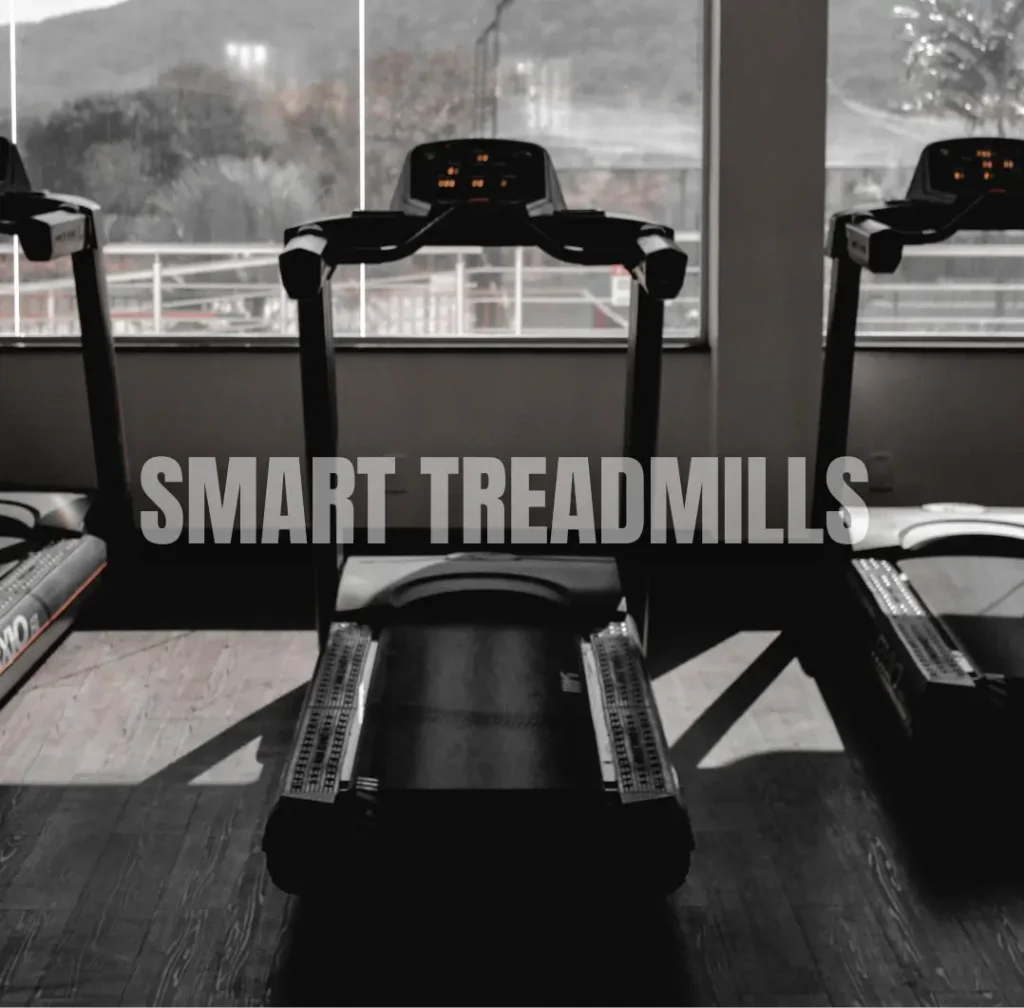
In addition, the advent of smart technology in rehabilitation equipment cannot be overlooked. Many modern tools are now equipped with sensors and connectivity features, allowing for real-time tracking of patient performance. For instance, connected activity monitors or apps linked to gym equipment can collect critical data points such as heart rate, repetitions, and overall workout intensity. This technology enables healthcare providers to make informed adjustments to rehabilitation plans, ensuring each patient is progressing safely and effectively.
Another noteworthy innovation is the virtual reality (VR) rehabilitation system. Emerging studies show that gamifying physical therapy using VR can significantly enhance patient engagement—a crucial factor in adherence to rehabilitation regimens. While performing exercises in a virtual environment, patients can be motivated through levels of difficulty and interactive feedback. This positive reinforcement can also help alleviate psychological barriers associated with training post-injury, making recovery not just effective but enjoyable.
Customized Solutions for Rehabilitation Success
Personalization is at the heart of effective rehabilitation. Bodyweight training equipment has gained popularity as it allows for individual adaptation to exercise difficulty. Tools like suspension trainers and pull-up bars enable patients to perform movements that can be modified according to their strength and comfort levels. This adaptability ensures that patients can train within their limits, which is crucial for minimizing the risk of re-injury.
- Mobility Devices: Foam rollers, massage balls, and stretching straps aid in enhancing flexibility and muscle recovery. Physiotherapists often recommend these tools to help patients alleviate muscle soreness and improve circulation post-exercise.
- Balance Boards: These are ideal for recovering athletes and individuals with vestibular disorders. Balance boards provide an unstable surface, promoting the development of proprioception and coordination, which are key elements in the rehabilitation process.
- Aquatic Therapy Equipment: Water-based therapy offers the unique advantage of minimizing impact. Equipment such as resistance gloves or aquatic noodles provide resistance while also promoting buoyancy, creating an effective low-impact recovery environment.
In the face of injury or surgery, the right approach to rehabilitation can lay the groundwork for success. The array of specialized fitness equipment available today enables healthcare providers and patients to explore many pathways toward recovery. Each tool, be it traditional or cutting-edge, plays a pivotal role in ensuring that individuals are equipped to resume their active lifestyles safely and effectively. As you delve deeper into the world of fitness equipment for rehabilitation, the breadth of options can truly transform the recovery experience and enable a smoother transition back to full health.
DISCOVER MORE: Click here to enhance your performance
Final Thoughts on Rehabilitation Equipment
In summary, the significance of fitness equipment for rehabilitation cannot be overstated. The journey to recovery involves more than just traditional exercises; it embraces innovative tools and technologies that can adapt to each individual’s unique needs. By incorporating advanced rehabilitation equipment, such as functional trainers, smart technology, and personalized bodyweight training apparatus, healthcare providers can create optimized rehabilitation programs tailored for efficiency and safety.
Patients can also benefit from utilizing emerging technologies, like virtual reality systems, which actively engage them in the rehabilitation process, making the recovery experience not only effective but enjoyable. With options ranging from mobility devices to aquatic therapy equipment, there’s a wealth of resources available for diverse recovery needs. These tools help ensure that patients not only recover from their injuries but do so in a manner that minimizes the risk of re-injury and promotes long-term physical wellness.
As advancements continue to infiltrate the realm of rehabilitation, staying informed about the latest fitness equipment and methodologies is vital for both healthcare professionals and patients. Exploring these options can lead to enhanced recovery experiences and improved outcomes, enabling individuals to confidently return to their pre-injury lifestyles. In a world where recovery is just as important as performance, choosing the right tools is essential for achieving success.

Beatriz Johnson is a seasoned fitness specialist and writer with a passion for simplifying the complexities of strength training and gym workouts. With over a decade of experience in the fitness industry, she specializes in topics like weight training techniques, workout programming, and exercise science principles. Through her work, Beatriz empowers readers to make informed fitness decisions, build sustainable training habits, and stay ahead in their journey toward stronger, healthier bodies.