
Cultivating Clarity: How the Intentional Choice of Objects Can Increase Your Productivity

Harnessing the Power of Your Surroundings
In today’s fast-paced environment, our surroundings significantly influence our productivity. The intentional choice of objects we interact with on a daily basis can either enhance our focus or contribute to distractions. As we navigate our workspaces, it becomes crucial to understand how to cultivate an atmosphere that fosters clarity and efficiency.
The Role of Objects in Productivity
The items we choose to keep close can shape our mindset. Consider these factors:
- Aesthetics: Visually pleasing objects can elevate mood and inspire creativity. For instance, incorporating art pieces or inspirational quotes can motivate individuals, while aesthetically pleasing color schemes can enhance overall energy levels. A study conducted by the University of Texas found that individuals working in colorful environments experienced higher levels of engagement and task motivation.
- Functionality: Tools that streamline tasks cut down on frustration. For example, using a standing desk can promote better posture and energy levels, potentially leading to longer periods of focused work. Additionally, digital tools such as project management software can help in organizing daily tasks efficiently, allowing the mind to concentrate more on creative problem-solving rather than logistical challenges.
- Sentimental Value: Personal items can inspire motivation. Surrounding oneself with photographs of loved ones or mementos from successful ventures can create a sense of comfort and purpose. Such items serve as daily reminders of personal goals and achievements, offering a motivational nudge when productivity lags.
Research suggests that organizing our space with intention can lead to remarkable improvements in our workflow. Simple changes—like using an ergonomic chair or incorporating plants—can significantly impact our levels of concentration. Studies show that the presence of greenery can boost both mood and productivity by up to 15%, providing a natural air purifier and creating a calming atmosphere, which is particularly beneficial in high-stress environments.
Unpacking the Concept
Understanding how physical environments affect mental clarity opens new avenues for efficiency. By analyzing what’s around us, we can innovate strategies tailored to our unique working styles. For example, noise-canceling headphones can be instrumental for those in open office spaces, allowing uninterrupted focus amidst potential distractions.
Such an exploration not only leads to enhanced productivity but also to a deeper appreciation of our daily activities. By taking the time to curate our surroundings, we embark on a journey toward a more intentional and fulfilling work life, one that aligns with our personal and professional aspirations. Whether it’s adjusting ambient lighting, choosing suitable décor, or incorporating useful tools, the key lies in understanding how these elements interact with our cognitive processes, ultimately paving the way for improved performance and well-being.
Creating a Purposeful Workspace
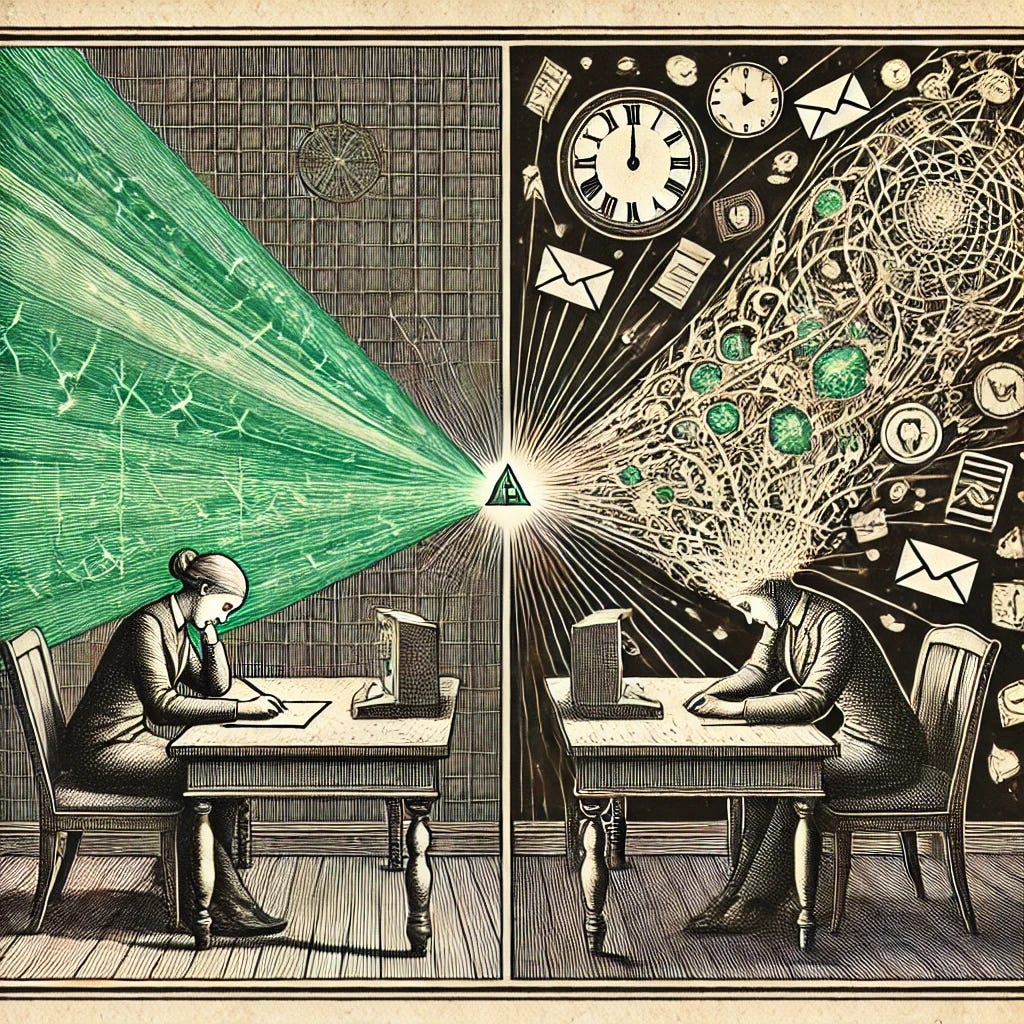
As we delve into the nuances of productivity, it becomes evident that an intentional workspace can serve as a catalyst for better focus, creativity, and overall efficiency. The arrangement and selection of objects within our environment play a crucial role in shaping our daily experience. A purposeful workspace is not just about aesthetics; it’s a well-thought-out strategy to harness our cognitive capabilities effectively.
Identifying Essential Elements
Understanding the different components that contribute to a focused environment allows us to tailor our workspace to our specific needs. Here are some key elements to consider:
- Lighting: Natural light has been shown to increase productivity and enhance mood. Workspaces designed with windows and open layouts can reduce eye strain and boost energy levels. In contrast, poor lighting can lead to fatigue and decreased concentration. Opting for adjustable and varied light sources can maximize cognitive performance.
- Organization: A cluttered space can lead to a cluttered mind. Implementing organizational tools—like shelving, file systems, and storage containers—can simplify access to necessary materials and reduce cognitive load. Consider tools such as drawer organizers to manage digital files, keeping distractions at bay.
- Personalization: Infusing your workspace with items that resonate personally can foster a sense of attachment and pride in your environment. Personal touches, such as favorite books, meaningful decorations, or even a curated playlist, can make you feel more at home, ultimately increasing motivation and productivity.
Research backs up the significance of these elements, revealing that a well-organized and personalized workspace can lead to a reduction in stress levels. A survey conducted by the International Journal of Workplace Health Management found that individuals who actively customized their workspaces were 32% more satisfied with their jobs and reported improved efficiency.
Maximizing the Impact of Objects
The importance of choice extends beyond aesthetics and functionality, as the psychological impact of objects cannot be underestimated. The presence of carefully selected items can serve as powerful motivators. For instance, placing a vision board within eyesight may constantly remind you of your goals and aspirations, providing encouragement during challenging tasks.
Moreover, considering how objects can impact our behavior also leads to interesting insights. For example, having a designated space for work-related materials can signal to our brain that it’s time to focus, creating a boundary between relaxation and productivity. This mental cue can be incredibly beneficial, particularly in a world filled with constant distractions.
In conclusion, the thoughtful arrangement and selection of objects in our workspaces can profoundly influence our productivity. By prioritizing aspects such as lighting, organization, and personalization, we can cultivate a clearer and more engaging environment tailored to our individual working styles. Ultimately, it invites a sense of intentionality into our daily routines, paving the way for enhanced clarity and focus.
Cultivating Clarity: How the Intentional Choice of Objects Can Increase Your Productivity
In the pursuit of enhancing productivity, the physical environment plays a crucial role. The strategic selection of objects within our workspace can significantly impact not only our emotional state but also our ability to focus and achieve goals. By filtering out distractions and incorporating intentional elements into our surroundings, we create an atmosphere conducive to productivity.
Transformative Effects of Intentional Design
The essence of intentional design lies in the idea that every object in our environment carries meaning and influence. For instance, incorporating plants or natural elements can enhance well-being and reduce stress levels, which directly correlates with productivity. Studies have shown that exposure to greenery can improve concentration and increase cognitive performance. Integrating such objects in the workspace not only beautifies the environment but also promotes mental clarity, making it easier to channel energy into meaningful work.In addition, the choice of office furniture plays a pivotal role. Ergonomic chairs and adjustable desks are not just trendy; they contribute to physical well-being, thereby preventing fatigue and distraction. The more comfortable and personalized the workspace, the easier it becomes to focus on tasks. Therefore, considering aspects like comfort, functionality, and aesthetics when selecting office objects can yield significant enhancements to work output.
Minimizing Clutter for Maximum Focus
Another aspect of cultivating clarity is the mindful reduction of clutter. Each item in a workspace should have a purpose. The mere presence of non-essential objects can lead to decreased focus, as they vie for mental space. By consciously selecting objects that inspire us or serve specific functions, we can minimize distractions and foster a streamlined workflow. Moreover, using organized storage solutions to keep items neatly arranged allows for quick access to necessary tools, reducing the time spent searching and increasing overall efficiency. This practice not only enhances productivity but also contributes to a sense of peace in the workspace.To further explore the impact of intentional object choices on productivity, let’s examine a table that highlights specific advantages of this approach.
| Category | Benefits |
|---|---|
| Natural Elements | Improves well-being and reduces stress, enhancing cognitive performance. |
| Ergonomic Furniture | Boosts comfort and functionality, preventing fatigue and increasing focus on tasks. |
| Organized Workspaces | Reduces clutter, enhancing workflow efficiency and mental clarity. |
By embracing the philosophy of cultivating clarity through intentional object choices, individuals can create an environment that not only fosters productivity but also promotes a harmonious work-life balance. The journey toward increased productivity begins with a conscious examination of the objects surrounding us and their potential impact on our daily lives.
The Role of Color and Texture in Productivity
Beyond the functionality and arrangement of objects, the colors and textures within our workspace can have a profound psychological impact on our productivity levels. Colors are known to evoke certain feelings and responses; for example, blue shades can promote calmness and concentration, while vibrant yellows can stimulate creativity and energy. Incorporating this understanding into the selection of your workspace items can create an atmosphere that aligns with your productivity goals.
Understanding Color Psychology
It is essential to recognize that color psychology isn’t merely theoretical; many organizations and businesses leverage these principles to enhance their environments. A study by the University of the West of England found that red enhances attention to detail, making it a go-to for detail-oriented tasks, while greens and blues can improve overall productivity by fostering a sense of tranquility. Consider using colored objects like desk organizers, mouse pads, or wall art that align with the singular purpose you are pursuing.
By intentionally choosing items based on their colors, we create not only a visually harmonious workspace, but also one that emotionally resonates with our tasks. This approach encourages sustained concentration and mitigates the risk of burnout. For instance, introducing plants or green desk accessories can allow for a biophilic influence, incorporating elements from nature, which have been shown to enhance mood and focus.
The Influence of Texture
The texture of objects in your workspace can also play a critical role in your productivity. Studies suggest that tactile experiences contribute to sensory engagement, which can induce increased creativity. Smooth, soft surfaces like plush mouse pads or ergonomic chair covers can foster comfort and ease, making it easier to settle into longer work sessions.
Conversely, sharper-textured items, such as wood or metallic decor, can lend a more professional feel, ideal for high-stakes meetings or brainstorming sessions. These tactile choices can influence not just how we perceive our environments, but also how we feel while we inhabit them. A 2019 study published in the Journal of Environmental Psychology highlighted that workplaces featuring varied textures could lead to boosted morale and heightened collaboration.
Incorporating Mindfulness through Objects
Mindfulness practices in the workspace—often overlooked in the quest for productivity—can be significantly enhanced through intentional object choice. Introducing items that promote relaxation, such as stress balls, essential oil diffusers, or even visually calming art, can break up the intensity of demanding work periods. Integrating such items encourages moments of mindfulness, enhancing not only mental clarity but also creative flow.
Research backing this includes findings from the American Psychological Association, which asserts that brief periods of mindfulness can lead to increased cognitive flexibility and creativity. By carving out time for mindfulness in a well-curated workspace, we actively condition our minds to adapt and thrive in high-pressure scenarios.
Thus, the thoughtful selection of objects, colors, and textures within the workspace invites a multi-dimensional focus on productivity. By being intentional about these aspects, we can create an environment that not only enhances our efficiency but also supports our well-being throughout our workday.
Conclusion: The Power of Intentional Design in the Workplace
In today’s fast-paced world, creating an environment that enhances productivity is more crucial than ever. The intentional choice of objects in your workspace transcends mere aesthetics; it serves as a foundation for fostering clarity, focus, and motivation. By taking into account the psychological effects of color, the engaging qualities of texture, and the benefits of mindfulness, you can curate a workspace that not only reflects your personal style but also aligns with your productivity goals.
Emphasizing the significance of colors, we can create an atmosphere that not only boosts productivity but also nourishes our emotional well-being. Vibrant yellows and calming blues, artfully integrated into your workspace, can stimulate creativity and enhance concentration. Similarly, by carefully selecting textures that promote comfort and sensory engagement—such as soft mouse pads or natural wood elements—you set the stage for sustained focus and enriched collaboration.
Moreover, incorporating mindfulness through thoughtful object choices can turn a chaotic work environment into a sanctuary for creativity and clear thinking. Whether it’s through stress-relief items or biophilic elements like greenery, these additions encourage moments of pause that can yield innovative insights and rejuvenate your mind.
As we look to optimize our working environments, consider how the synergy between intentional object choice and productivity can impact daily operations. By embracing these principles, not only can you enhance your own productivity, but you may also inspire those around you to cultivate clarity and efficiency in their workspaces. The journey toward a more productive life is dependent on both intention and action—start today by transforming your environment into a hub of creativity and focus.

Linda Carter is a writer and organization expert specializing in minimalism and personal organization. With extensive experience helping individuals create clutter-free, functional spaces and adopt mindful habits, Linda shares her knowledge on our platform. Her goal is to empower readers with practical advice and strategies to simplify their lives, stay organized, and achieve a sense of calm and balance in their daily routines.