
Understanding the Strength Training Landscape
In the world of fitness, there’s an ongoing conversation about the effectiveness of various strength training equipment. For both avid bodybuilders and those just starting their fitness journey, a crucial consideration arises: which type of strength equipment yields the best results? This inquiry becomes a focal point as individuals navigate through traditional and functional strength training methodologies, each offering a distinct set of benefits that cater to diverse fitness goals.
Traditional Strength Equipment
Traditional strength equipment comprises machines like bench presses, leg curls, and lat pulldowns. These devices are designed to isolate specific muscle groups, allowing users to focus intensely on areas such as the chest, legs, or back. For instance, the bench press is widely regarded for its effectiveness in building upper body strength and muscle mass. Studies have shown that using machines effectively aids in hypertrophy – the increase in muscle fiber size. Additionally, lifters often appreciate the structured nature of machines, making them ideal for beginners who may need guidance in maintaining proper form.
Functional Strength Equipment
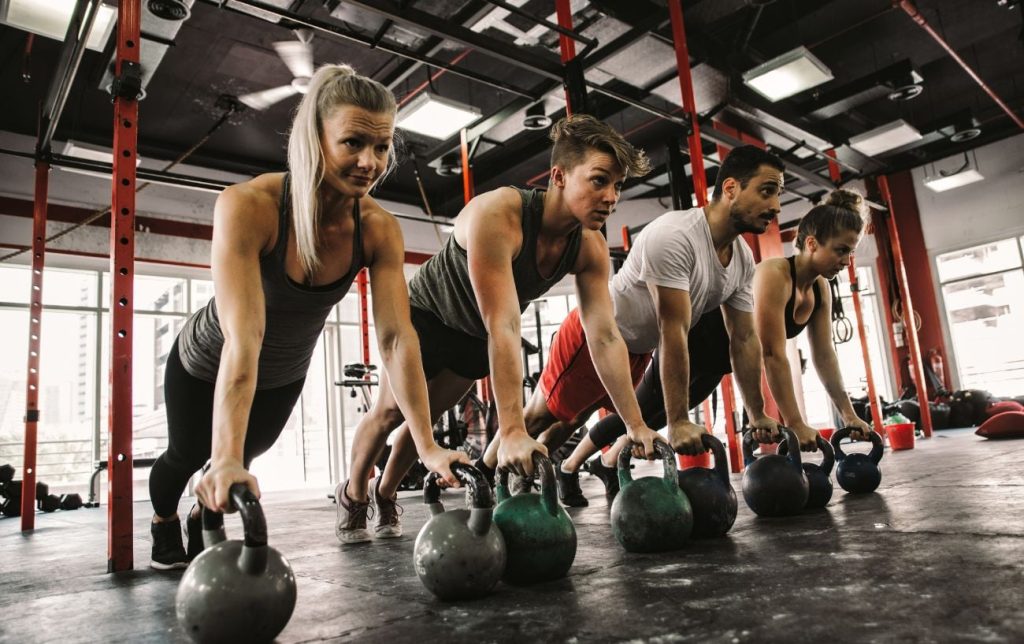
On the other hand, functional strength equipment includes tools like kettlebells, battle ropes, and medicine balls. These implements emphasize real-world movements, engaging multiple muscle groups and promoting coordination. For example, a kettlebell swing mimics the natural motion of picking up heavy objects, thus enhancing grip strength and core stability. This approach not only improves muscle endurance but also fosters agility and balance, making it appealing to athletes and individuals seeking to amplify their overall fitness capabilities.
Flexibility vs. Stability
A significant differentiation between traditional and functional strength training lies in their core focuses. Traditional equipment primarily enhances muscle strength. In contrast, functional tools advocate for functional fitness, enhancing body stability and flexibility through compound movements. Engaging in exercises like squats with kettlebells or pushing heavy sleds requires the coordination of various muscle groups, leading to a more holistic development.
Finding Your Fit
The debate surrounding the effectiveness of these methods is nuanced, transcending personal preferences and workout styles. Traditional strength training is often celebrated for building muscle mass efficiently, while functional training catches the attention of many due to its applicability to everyday activities and sports performance. It’s essential for individuals to identify their specific fitness goals—whether they lean towards muscle hypertrophy or functional performance—before making a selection.
By delving deeper into the distinctions between traditional and functional strength equipment, fitness enthusiasts can tailor their workout routines to meet their individual objectives. Understanding what each category offers will help you make informed decisions about your training, ultimately leading to more effective results. Explore these insights further to unlock the potential of your workouts and reshape your approach to fitness.
DIVE DEEPER: Click here to unlock powerful techniques
The Benefits of Each Approach
As fitness enthusiasts evaluate their training methodologies, it becomes increasingly important to examine the unique benefits of both traditional and functional strength equipment. Making informed decisions hinges on understanding how each type of equipment complements specific fitness goals. Here, we will explore the advantages of both approaches, providing insight into what may work best for various individuals.
Advantages of Traditional Strength Equipment
One of the most significant advantages of traditional strength equipment is its ability to provide consistent muscle isolation. This capability is particularly beneficial for those focused on specific strength gains or muscle hypertrophy. Here are some key benefits:
- Targeted Muscle Development: Traditional machines like the leg press allow lifters to concentrate their efforts on particular muscle groups, facilitating focused strengthening.
- Simplified Learning Curve: For beginners, machines often have illustrated instructions and guided motions, making it simpler to grasp proper form and technique.
- Safety and Support: Many machines come equipped with safety features, such as weight stacks and guided tracks, which can reduce the risk of injury.
For those new to strength training or looking to increase muscle mass in a controlled manner, traditional strength equipment can be a valuable asset on their fitness journey.
Advantages of Functional Strength Equipment
Conversely, functional strength equipment shines in areas that emphasize overall physical performance. By engaging multiple muscle groups and mimicking real-life movements, functional training touts several compelling advantages:
- Improved Coordination: Functional exercises often involve multi-joint movements that enhance coordination and muscle engagement across the body, leading to better overall athletic performance.
- Versatility: Equipment like resistance bands and medicine balls can be used in various exercises adaptable for all fitness levels, making workouts engaging and diverse.
- Core Engagement: Many functional training routines involve core stabilization, which can improve balance and strength, essential for everyday tasks and sports.
This functional approach can be particularly advantageous for athletes and active individuals seeking to enhance their performance in sports and daily activities alike.
Understanding Workout Goals
The effectiveness of traditional versus functional strength equipment largely depends on individual fitness goals. Those aiming for increased muscle mass and definition might find machines more beneficial, while people focused on functional fitness or improving overall athletic ability may prefer tools that emphasize versatility and coordination.
As each group has distinct advantages, individuals must assess their objectives, commitment level, and preferred exercise style. Identifying personal goals will lead to a more tailored and effective training program, maximizing the potential of workouts.
Exploring Traditional Strength Equipment
Traditional strength training equipment, such as barbells, dumbbells, and machines, has long been a staple in gyms around the world. Its primary focus is on isolating specific muscle groups to build strength efficiently and safely. One of the significant advantages of using traditional strength equipment is its ability to provide controlled movements, which can help reduce the risk of injury, particularly for beginners. Additionally, these tools often allow for heavy lifting, enabling users to progressively overload their muscles.However, traditional equipment typically requires a dedicated space and can be cost-prohibitive for home gym setups. The training with such equipment primarily addresses strength but may not fully encompass functional movements that mimic daily activities, which is where the debate about functional strength training arises.
Understanding Functional Strength Equipment
Conversely, functional strength equipment, including kettlebells, medicine balls, and resistance bands, focuses on training multiple muscle groups through exercises that simulate real-world activities. These tools encourage dynamic movements, improving not just strength but also balance, flexibility, and coordination. The use of functional equipment is invaluable for athletes and everyday individuals looking to enhance their overall fitness and performance.Furthermore, functional training often incorporates a more significant range of motion and engagement of stabilizer muscles, resulting in a more comprehensive workout. The adaptability of functional strength equipment allows users to train effectively in diverse environments, making it more accessible for personal use and a wider audience.
The User Experience
When choosing between traditional and functional strength equipment, personal goals, and preferences play a critical role. Users who prioritize muscle growth and strength performance may lean toward traditional equipment, while those aiming for improved athleticism and everyday functionality might find greater value in functional training tools. Overall, the decision between the two approaches comes down to individual fitness objectives and lifestyle considerations.
| Category | Advantages |
|---|---|
| Traditional Strength Equipment | Isolates muscle groups for efficient strength gains |
| Functional Strength Equipment | Enhances dynamic movements and overall fitness |
Exploring the specific benefits of each type of equipment is essential for anyone looking to optimize their fitness journey. By understanding how both traditional and functional strength equipment cater to different facets of strength training, users can design workouts that best align with their personal fitness aspirations.
DON’T MISS OUT: Click here to discover the benefits of rest days
Choosing the Right Equipment for Your Fitness Journey
Understanding the distinctions between traditional and functional strength equipment is essential for creating a workout plan that aligns with one’s fitness aspirations. However, beyond merely assessing benefits, it’s also crucial to consider how each type of equipment aligns with different training variables, including time commitment, progression, and personal preferences. This section delves into these critical factors, offering further clarity for those navigating the vibrant landscape of strength training.
Time-Efficiency and Workout Structure
In today’s fast-paced world, time-efficiency is a key consideration for many gym-goers. Traditional strength equipment often allows for a quicker workout structure. Machines require less setup time since weights are pre-configured and exercises typically follow a straight forward, linear progression. This makes for a more time-efficient workout where individuals can maximize their training in shorter sessions.
On the flip side, functional strength equipment requires more thoughtful planning and exercise selection. Combining various movements into a single routine may take more time, which can be seen as both a pro and a con. For individuals who thrive on variety and enjoy discovering new exercises, functional training routines can keep workouts fresh and engaging. However, for those with less time to spare, the sequencing of exercises may require more experience and can lead to less efficiency.
Progression and Challenges
Progression in strength training is vital in order to reflect growth and improvements. Traditional strength equipment offers a structured approach to progression, allowing users to increase weights in distinct increments, ideal for those focused on sheer strength gains. Machines also provide a clearer metric for tracking performance, as users can monitor weight lifted for each specific exercise over time.
While functional strength training can sometimes appear less structured, it fosters a unique approach to progression. Users can increase resistance through various mediums, such as added weight, more complex body movements, or increased duration. This multifaceted approach encourages adaptability and the constant reassessment of fitness levels, as engaging in multiple muscle groups can lead to increased overall strength without adhering strictly to conventional lifts.
Personal Preferences and Motivation
Ultimately, personal preferences and motivation play significant roles in determining what works best for an individual. Some individuals thrive on the consistency provided by traditional machines, appreciating the straightforward methodology—this can be especially appealing for those who find solace in predictability. Others might gravitate towards the dynamic and ever-evolving nature of functional training, relishing the challenges it presents as they integrate real-world movements into their workouts.
Additionally, variation in training methods can combat boredom and enhance long-term commitment to fitness goals. Many individuals find success in combining both types of equipment, leveraging the benefits of each. Such an approach can lead to balanced muscle development, improved functional capacity, and greater engagement in the overall workout experience.
As trainers, coaches, and fitness researchers explore the ever-evolving landscape of strength training, it’s evident that both traditional and functional strength equipment have irreplaceable roles. By aligning personal goals and preferences with the right tools, individuals can foster an enriching fitness journey that propels them towards success.
DIVE DEEPER: Click here to enhance your workout
Concluding Insights on Traditional vs. Functional Strength Equipment
In the quest for optimal fitness, understanding the dichotomy between traditional and functional strength equipment is crucial for crafting a personalized workout regimen. Each type presents its own unique merits, catering to diverse fitness levels and goals. Traditional equipment is often hailed for its straightforward approach and efficiency, making it a favored choice for those aiming for rapid strength gains through structured routines. Meanwhile, functional equipment promotes versatility and real-world application, appealing to fitness enthusiasts looking to enhance overall functional capacity and agility.
As we’ve explored various aspects such as time-efficiency, progression, and personal preferences, the choice between these methods boils down to individual needs and lifestyle considerations. For those managing tight schedules, traditional machines may offer the quick results they desire, while others might thrive in the adaptability and variety that functional training provides. Notably, the integration of both styles can yield significant benefits, fostering comprehensive strength and maintaining long-term engagement in fitness pursuits.
Ultimately, the best approach is one that resonates with personal motivations and aligns with specific fitness objectives. As you navigate your own fitness journey, consider experimenting with both traditional and functional strength training to uncover the perfect balance. In doing so, you’re not just lifting weights; you’re cultivating a robust foundation for lifelong health and vitality. Embrace the possibilities, challenge your limits, and embark on a path that keeps your workouts both effective and enjoyable.

Beatriz Johnson is a seasoned fitness specialist and writer with a passion for simplifying the complexities of strength training and gym workouts. With over a decade of experience in the fitness industry, she specializes in topics like weight training techniques, workout programming, and exercise science principles. Through her work, Beatriz empowers readers to make informed fitness decisions, build sustainable training habits, and stay ahead in their journey toward stronger, healthier bodies.