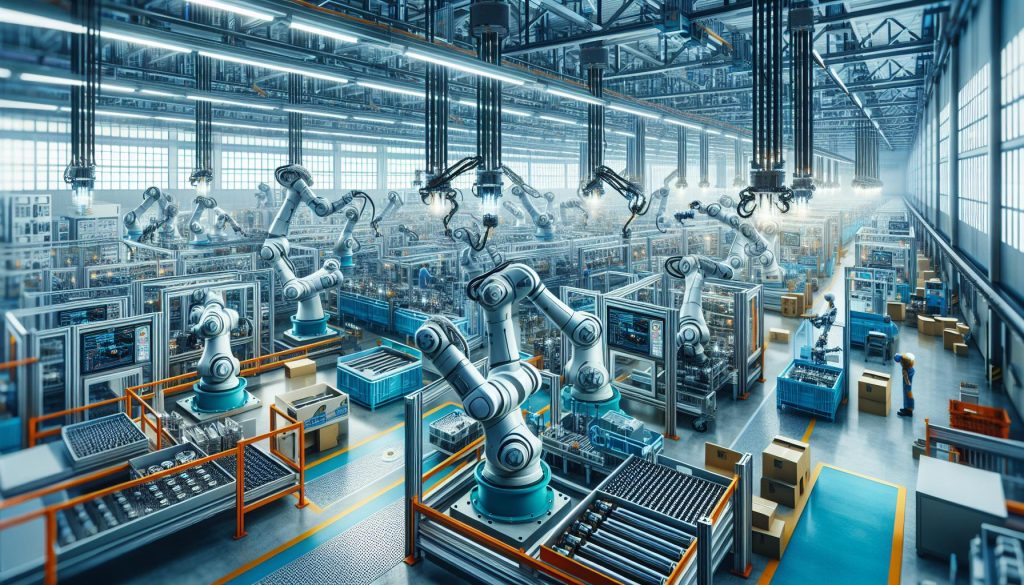
Robotic Automation

Robotic Automation

The Impact of Robotic Automation in the Manufacturing Industry: Efficiency and Challenges

Robotic automation is revolutionizing the manufacturing industry, enhancing efficiency and precision while presenting challenges like high initial costs and workforce displacement. As companies adopt automation to improve productivity and quality, navigating these obstacles is crucial for successful integration and maintaining competitiveness in a rapidly evolving market.


The Impact of Robotic Automation in the Manufacturing Industry: Efficiency and Challenges Read Post »

Robotic Automation

How Robotic Automation is Transforming the Healthcare Sector

Robotic automation is revolutionizing the healthcare sector by improving surgical precision, enhancing patient care, and streamlining administrative tasks. These innovations lead to better patient outcomes, reduced recovery times, and significant cost savings, making robotic technology essential for addressing the growing challenges faced by healthcare providers.

How Robotic Automation is Transforming the Healthcare Sector Read Post »

Robotic Automation

Robotic Automation in Education: Innovation and Accessibility for All

The integration of robotic automation in education is transforming classrooms by enhancing accessibility and engagement for all students. Personalized learning, interactive experiences, and diverse support for special needs foster inclusivity, while initiatives bridging the digital divide empower underserved communities. This innovation equips learners for a technology-driven future.

Robotic Automation in Education: Innovation and Accessibility for All Read Post »

Robotic Automation

The Impact of Robotic Automation in the Manufacturing Industry

Robotic automation is transforming the manufacturing industry by enhancing efficiency, precision, and safety. As companies adopt advanced technologies, they face challenges such as workforce displacement while also creating higher-skilled job opportunities. This shift not only boosts productivity but also positions manufacturers to remain competitive in a rapidly evolving global market.

The Impact of Robotic Automation in the Manufacturing Industry Read Post »

Robotic Automation

Robotic Automation and the Future of Work: Challenges and Opportunities

Robotic automation is reshaping the future of work, presenting both challenges and opportunities. While job displacement is a concern, new roles and skill demands are emerging. Companies must prioritize reskilling, embrace collaborative robotics, and foster a culture of lifelong learning to navigate this transformative landscape effectively.

Robotic Automation and the Future of Work: Challenges and Opportunities Read Post »

Robotic Automation

Robotic Automation and Sustainability: How Artificial Intelligence Can Reduce Waste and Promote Ecological Practices

Robotic automation, driven by artificial intelligence, is revolutionizing sustainability by minimizing waste and enhancing ecological practices. Industries are leveraging advanced technologies to optimize resource management, improve recycling efficiency, and advance sustainable agriculture, paving the way for a circular economy and significant environmental benefits.

Robotic Automation and Sustainability: How Artificial Intelligence Can Reduce Waste and Promote Ecological Practices Read Post »

Robotic Automation

The Ethics of Robotic Automation: How AI Can Replace Jobs and Create New Roles

The rise of robotic automation and AI presents both ethical challenges and opportunities. While job displacement looms in sectors like manufacturing and retail, new roles in tech and AI are emerging, necessitating a focus on skills development and economic equity to ensure a smooth workforce transition amidst evolving labor dynamics.

The Ethics of Robotic Automation: How AI Can Replace Jobs and Create New Roles Read Post »

Robotic Automation

Robotic Process Automation (RPA) and Digital Transformation: Challenges and Opportunities for Companies

Robotic Process Automation (RPA) is revolutionizing digital transformation by enhancing efficiency, reducing costs, and improving quality. However, companies face challenges, including integration issues, data security, and workforce resistance. Successfully leveraging RPA requires strategic planning and employee engagement to navigate these hurdles and unlock its full potential.

Robotic Process Automation (RPA) and Digital Transformation: Challenges and Opportunities for Companies Read Post »

Robotic Automation

Ethical Challenges of Robotic Automation in Work Environments

The integration of robotic automation in work environments brings significant ethical challenges, including job displacement, economic inequality, privacy issues, and the need for accountability. As technology evolves, addressing these dilemmas is essential to ensure a balanced approach that prioritizes human well-being and equitable labor practices amidst rapid change.

Ethical Challenges of Robotic Automation in Work Environments Read Post »

Robotic Automation

The Evolution of Robotic Automation: From Assistant to Intelligent Collaborator

Robotic automation is transforming industries by evolving from simple assistants to intelligent collaborators. This shift enhances productivity, reduces costs, and improves precision across sectors like manufacturing, healthcare, and logistics. As technology integrates with artificial intelligence, humans and robots work together, fostering innovation and addressing workforce challenges for a sustainable future.

The Evolution of Robotic Automation: From Assistant to Intelligent Collaborator Read Post »

Robotic Automation

The Integration of Robotic Automation with Artificial Intelligence: Transforming Business Processes

The integration of robotic automation with artificial intelligence is revolutionizing business processes by enhancing efficiency, improving decision-making, and transforming customer experiences. Companies leveraging these technologies are driving innovation, optimizing operations, and achieving significant cost savings, positioning themselves for long-term success in a competitive landscape.

The Integration of Robotic Automation with Artificial Intelligence: Transforming Business Processes Read Post »

Robotic Automation

The Impact of Robotic Automation on Industries: Transforming Productivity and the Workforce

Robotic automation is transforming industries by enhancing productivity, efficiency, and safety. While it streamlines operations in sectors like manufacturing, healthcare, and logistics, it also poses challenges regarding workforce adaptation and job displacement. Emphasizing new skill sets and collaborative roles is vital for a future where humans and machines thrive together.

The Impact of Robotic Automation on Industries: Transforming Productivity and the Workforce Read Post »

Robotic Automation

Ethical Challenges of Robotic Automation in the American Labor Market

The integration of robotic automation in the American labor market raises ethical challenges, including job displacement, widening skill gaps, and economic inequity. As automation transforms industries, addressing worker mental health, accountability for failures, and ensuring equitable access to opportunities is crucial for a balanced transition into an automated future.

Ethical Challenges of Robotic Automation in the American Labor Market Read Post »

Robotic Automation

Ethical Challenges of Robotic Automation in a World Dominated by Artificial Intelligence

Robotic automation is reshaping industries and raising critical ethical challenges in a world dominated by artificial intelligence. Key concerns include job displacement, privacy issues, algorithmic bias, accountability, and security risks. A proactive dialogue is essential to ensure responsible innovation and balance technological advancement with societal values.

Ethical Challenges of Robotic Automation in a World Dominated by Artificial Intelligence Read Post »

Scroll to Top
eagraphix.com
Privacy Overview

This website uses cookies so that we can provide you with the best user experience possible. Cookie information is stored in your browser and performs functions such as recognising you when you return to our website and helping our team to understand which sections of the website you find most interesting and useful.