
Natural Language

Natural Language

The Evolution of Natural Language Processing: From Rule-Based Systems to Deep Learning

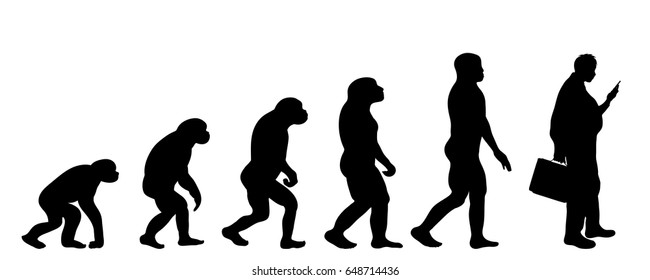
Natural Language Processing has evolved dramatically, transitioning from rule-based systems to advanced deep learning models. This progression has enhanced machine understanding of human language, leading to breakthroughs in applications like chatbots and voice assistants. Addressing ethical considerations remains crucial as NLP technologies continue to reshape user interactions.

The Evolution of Natural Language Processing: From Rule-Based Systems to Deep Learning Read Post »

Natural Language

The Evolution of Chatbots: How Natural Language Processing is Transforming Human-Machine Interaction

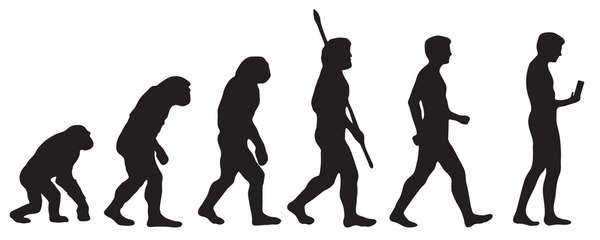
The evolution of chatbots through Natural Language Processing is revolutionizing human-machine interaction. By enabling more nuanced and personalized conversations, chatbots enhance customer experiences across various industries, from healthcare to finance. As technology advances, ethical considerations and accessibility will shape the future of these intelligent applications.

The Evolution of Chatbots: How Natural Language Processing is Transforming Human-Machine Interaction Read Post »

Natural Language

How Natural Language is Transforming Customer Service with Chatbots

The integration of natural language processing in chatbots is revolutionizing customer service, enabling businesses to provide 24/7 support, personalize interactions, and enhance operational efficiency. By leveraging AI technology, companies can meet evolving customer expectations, streamline communication, and foster loyalty in today’s competitive landscape.

How Natural Language is Transforming Customer Service with Chatbots Read Post »

Natural Language

Ethical Considerations in Natural Language Generation: Balancing Creativity and Responsibility

Natural Language Generation (NLG) offers exciting creative possibilities but raises important ethical challenges. Key issues include content authenticity, bias, intellectual property rights, and transparency, which require careful consideration. Balancing these factors ensures responsible use of NLG technology while fostering trust and integrity in its applications across various sectors.

Ethical Considerations in Natural Language Generation: Balancing Creativity and Responsibility Read Post »

Natural Language

Developing Inclusive Language Models: Challenges and Opportunities

The article explores the challenges and opportunities in developing inclusive language models, highlighting issues like data bias, accessibility, and ethical considerations. Emphasizing the importance of diverse linguistic representations, it advocates for collaborative efforts and proactive compliance with regulations to create equitable AI solutions that resonate with varied communities.

Developing Inclusive Language Models: Challenges and Opportunities Read Post »

Natural Language

Ethical Challenges in Text Generation by Artificial Intelligence

The rise of artificial intelligence in text generation introduces significant ethical challenges, including originality, bias, and misinformation. As AI-generated content becomes prevalent, concerns about copyright, fairness, and accountability arise. Addressing these dilemmas is crucial for ensuring responsible use and maintaining the integrity of communication in the digital age.

Ethical Challenges in Text Generation by Artificial Intelligence Read Post »

Natural Language

The Impact of Natural Language Understanding on Human-Computer Interaction and User Experience

Natural Language Understanding is revolutionizing Human-Computer Interaction by enabling more intuitive communication between users and devices. This technology enhances personalization, accessibility, and user engagement, while fostering emotional connections. As NLU evolves, it promises to transform user experiences by democratizing technology and facilitating seamless interactions across diverse industries.

The Impact of Natural Language Understanding on Human-Computer Interaction and User Experience Read Post »

Natural Language

The Impact of Natural Language Processing on Customer Service Automation

Natural Language Processing is revolutionizing customer service automation by enhancing response times, understanding complex inquiries, and providing 24/7 support. With its predictive analytics and multi-channel integration capabilities, businesses can offer personalized experiences, improve customer satisfaction, and drive loyalty, all while maintaining efficient and scalable operations.

The Impact of Natural Language Processing on Customer Service Automation Read Post »

Natural Language

Impact of Natural Language on Sentiment Analysis in Social Networks

Natural language plays a vital role in sentiment analysis within social networks, affecting how emotions and opinions are interpreted. Challenges like ambiguity, tone detection, and cultural context highlight the need for advanced techniques such as deep learning. Accurate sentiment analysis enhances engagement for businesses and reflects community values in a dynamic digital landscape.

Impact of Natural Language on Sentiment Analysis in Social Networks Read Post »

Natural Language

The Role of Natural Language Processing in Enhancing Accessibility for Individuals with Disabilities

Natural Language Processing (NLP) is revolutionizing accessibility for individuals with disabilities by enhancing communication and independence. Through tools like voice recognition, text-to-speech, and sentiment analysis, NLP facilitates seamless interactions with technology, empowering users to navigate challenges and engage in various aspects of life more effectively.

The Role of Natural Language Processing in Enhancing Accessibility for Individuals with Disabilities Read Post »

Natural Language

The Ethics of Using AI in Speech Recognition Technologies

The emergence of AI in speech recognition technologies raises critical ethical concerns, including privacy, bias, and accountability. As these systems enhance communication, ensuring transparency and inclusivity becomes essential. A collaborative approach among developers, regulators, and users is crucial to establish ethical standards that uphold fairness and protect user rights.

The Ethics of Using AI in Speech Recognition Technologies Read Post »

Natural Language

Ethical Challenges in Text Generation by Artificial Intelligence

The rise of artificial intelligence in text generation brings significant ethical challenges, such as questions of authenticity, authorship, and the potential for manipulation. Addressing these issues is crucial for fostering responsible AI practices, ensuring transparency, and mitigating bias, ultimately enhancing the integrity of digital content.

Ethical Challenges in Text Generation by Artificial Intelligence Read Post »

Natural Language

The Evolution of Natural Language Models: From Language Processing to Semantic Understanding

Natural language models have evolved from basic language processing systems to advanced tools with semantic understanding, enabling accurate human-computer interactions. Milestones such as deep learning and transformer models have revolutionized applications like chatbots, machine translation, and sentiment analysis, shaping industries while raising ethical considerations and demands for inclusivity.

The Evolution of Natural Language Models: From Language Processing to Semantic Understanding Read Post »

Natural Language

The Impact of Natural Language Processing Technologies on Business Communication

Natural Language Processing technologies are revolutionizing business communication by enhancing customer engagement, enabling data-driven insights, and facilitating cross-cultural interactions. With applications such as chatbots and real-time language processing, organizations can streamline operations while improving collaboration and decision-making, paving the way for effective communication in a global marketplace.

The Impact of Natural Language Processing Technologies on Business Communication Read Post »

Natural Language

The Impact of Natural Language on Human-Machine Interaction and the Future of Digital Communication

The evolution of natural language processing (NLP) is reshaping human-machine interaction and digital communication, enhancing user experiences through intuitive interfaces like voice assistants and chatbots. As technology advances, the potential for personalization and efficiency grows, raising important questions about ethics and data privacy in the digital landscape.

The Impact of Natural Language on Human-Machine Interaction and the Future of Digital Communication Read Post »

Scroll to Top
eagraphix.com
Privacy Overview

This website uses cookies so that we can provide you with the best user experience possible. Cookie information is stored in your browser and performs functions such as recognising you when you return to our website and helping our team to understand which sections of the website you find most interesting and useful.