
The Importance of Intentional Choices in the Practice of Minimalism

Understanding the Power of Intentionality in Minimalism
As consumer culture continues to dominate our daily lives, minimalism stands as a counter-cultural beacon that encourages individuals to reflect on what truly matters. At the core of this philosophy is the concept of intentional choices, which serve as guiding principles in creating a fulfilling, simplified existence. But how can one genuinely embody this concept in everyday life?
Intentional choices can significantly transform various facets of life, leading to enhanced well-being and satisfaction. Below are three key areas where these choices can have a profound impact:
- Personal Finances: By consciously evaluating spending habits, individuals can cut down on unnecessary expenses. For instance, instead of purchasing the latest smartphone just because it’s trendy, a minimalist might invest in a reliable vintage model that meets their needs without burdensome upgrades. This shift not only improves financial health but also encourages smarter, more sustainable consumption.
- Environmental Impact: The choices made revolve around the idea of sustainability. Selecting products from brands that prioritize eco-friendly practices—such as biodegradable packaging or ethically sourced materials—supports a healthier planet. Many minimalists choose to buy second-hand or local goods, reducing carbon footprints and contributing positively to their communities.
- Mental Clarity: The act of decluttering—whether it’s a single drawer or an entire home—can yield significant psychological benefits. Research has shown that a clean and organized space can reduce stress levels and enhance productivity. A minimalist may opt to keep only those items that serve a purpose or spark joy, thereby fostering an environment that nurtures creativity and peace.
Shifting towards intentional decision-making prompts a reevaluation of personal values. It compels us to ask essential questions such as:
- What items truly add value to my life?
- How can I streamline my possessions to avoid emotional or financial weight?
- Am I making choices based on societal pressures, or am I acting in alignment with my genuine preferences and beliefs?
As the minimalist movement gains traction across the United States, the significance of making deliberate choices becomes increasingly evident. By being selective about what we bring into our lives, we create space not only physically but also emotionally and mentally. This cultivation of intentionality empowers individuals to focus on experiences rather than possessions, ultimately leading to a deeper sense of fulfillment.
In the following sections, we will explore practical strategies for making intentional choices within the framework of minimalism. Whether you’re just beginning your journey or looking to deepen your practice, join us as we uncover how living with intention can transform day-to-day experiences into meaningful moments filled with purpose.
The Role of Intentional Choices in Transforming Daily Life
Intentional choices are not merely about reducing possessions; they are intrinsic to how we engage with the world around us. In a society where consumption often overshadows mindful living, the practice of minimalism encourages individuals to be deliberate in their actions, leading to profound changes in daily existence. By intentionally curating aspects of life, from relationships to routines, individuals can foster a more meaningful and aligned existence.
One of the cornerstone areas of intentional choices lies in our relationships. Minimalism encourages an examination of social ties, prompting the question: Which relationships truly enhance our lives? By focusing on quality over quantity, individuals can invest their energy in friendships that are supportive and fulfilling, rather than maintaining connections out of obligation. The act of intentionally choosing who to spend time with can alleviate social stress and create a more uplifting atmosphere. This enhanced relational clarity not only contributes to personal happiness but also nurtures a supportive community around us.
Similarly, intentional choices regarding time management are paramount. The minimalist lifestyle advocates for a conscious approach to how we allocate our time, prioritizing activities that resonate with our values. Instead of spreading oneself thin with numerous commitments—often driven by societal expectations—minimalists often focus on a few key pursuits. This shift allows for greater investment in personal passions and interests, promoting overall satisfaction and personal growth. For instance, rather than attending every social event, a minimalist may choose to engage deeply in an art class or volunteer work that truly resonates with them.
Another critical area impacted by intentional choices is our digital consumption. In an age of information overload, minimalists tend to streamline their technology use. They are often selective about the apps and platforms they engage with, opting only for those that add value to their lives. This might mean unsubscribing from excessive email lists, reducing social media usage, or curating a news feed that aligns with their interests. By intentionally managing digital interactions, minimalists can reclaim time that might otherwise be wasted and improve mental clarity.
To further emphasize the significance of intentional choices, consider the following aspects:
- Quality over Quantity: Focusing on fewer, high-quality items, whether in clothing or home decor, leads to more satisfaction and reduced waste.
- Mindful Consumption: Choosing to buy from sustainable brands or supporting local artisans helps foster a positive impact on the environment and community.
- Holistic Well-being: Engaging in activities that promote mental, physical, and emotional wellness can lead to a more balanced life.
As one explores the practice of minimalism, it is crucial to understand that making intentional choices is not a one-time decision but a continual process of evaluation and reflection. This ongoing commitment enables individuals to navigate their lives with purpose, ultimately leading to a more enriched experience filled with intentionality. In the subsequent sections, we will delve deeper into practical techniques for building a more intentional life through minimalism, enriching the journey towards simplicity and fulfillment.
The Essence of Intentional Choices in Minimalism
The journey into minimalism is often defined by the power of intentionality, particularly in the choices we make. Embracing a minimalist lifestyle means actively deciding what holds value in our lives and what does not. Each item we own, every commitment we engage in, and even the relationships we foster should ideally align with our core values. This approach encourages deeper reflections on the purpose behind our choices, allowing for a harmonious, clutter-free existence.
Mindful Consumption
One of the most significant advantages of making intentional choices is the shift towards mindful consumption. Rather than accumulating possessions based on impulse or societal pressures, minimalism invites us to consider the significance and utility of each item. This form of consumption is transformative; it not only reduces waste but also fosters a deeper appreciation for what we have. As we consciously curate our belongings, we can enjoy a sense of freedom from the overwhelming burden of excess.
Quality Over Quantity
In the realm of minimalism, the mantra of quality over quantity prevails. This paradigm shift encourages individuals to prioritize high-quality items that provide lasting satisfaction over numerous lesser ones. Instead of filling our spaces with cheap, disposable products, minimalism advocates for investing in durable, sustainable alternatives that enhance our well-being. By doing so, we not only enrich our physical environments but also cultivate a mindful and intentional relationship with our possessions.
Benefits Beyond the Surface
The advantages of intentional choices extend beyond mere aesthetics or convenience. Engaging with minimalism can lead to profound emotional and psychological wellness. The act of decluttering creates physical space, which can significantly impact mental clarity and reduce stress. As we determine what is truly necessary and meaningful, we can foster an environment that promotes mindfulness and focus.Consequently, the intentional choices we make don’t just redefine our physical environment; they also shape our perspectives and lifestyles. In the practice of minimalism, the pathway to authenticity becomes clearer, allowing us to align daily life with our true values and aspirations. Understanding the importance of these intentional decisions can lead individuals to explore further dimensions of minimalism and its impact on their lives.
| Advantage | Description |
|---|---|
| Enhanced Focus | A minimalist lifestyle fosters a clear mental space, allowing for improved concentration on what truly matters. |
| Emotional Well-Being | Reducing clutter contributes to lower stress levels and a more balanced emotional state. |
Integrating Intentional Choices into Spaces and Environments
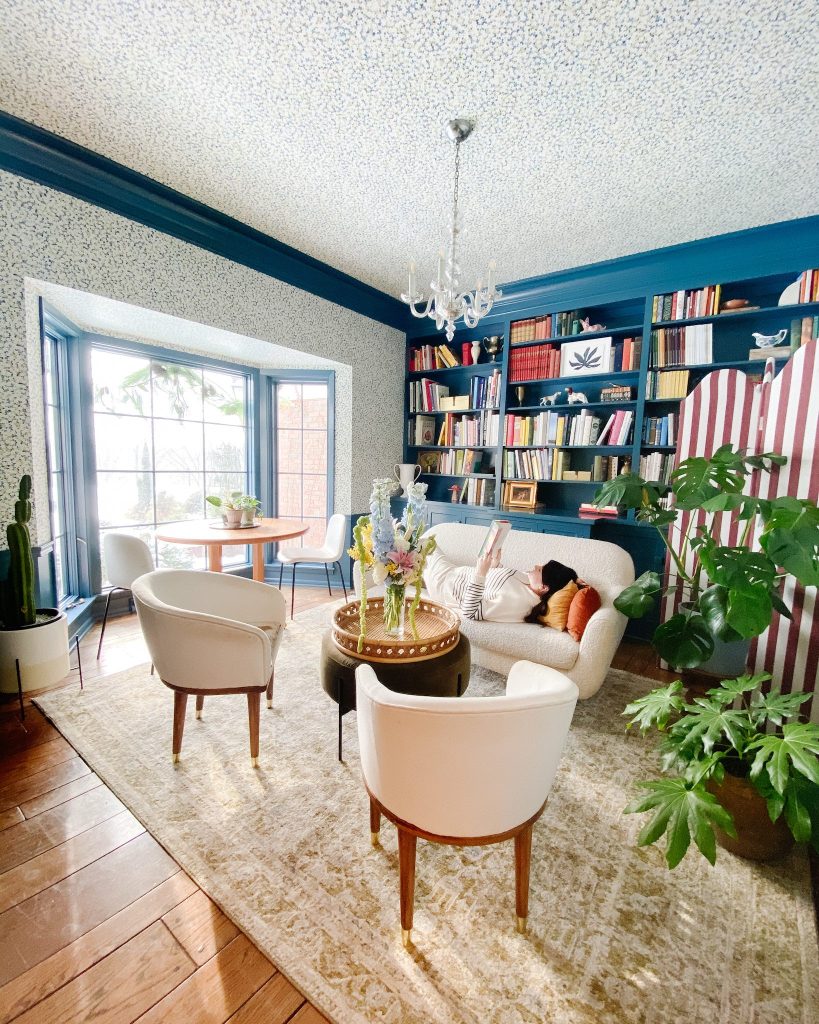
The practice of minimalism extends beyond personal possessions and relationships; it encompasses our physical spaces as well. Intentional choices in how we design and organize our surroundings can significantly impact our mental and emotional well-being. By embracing simplicity and functionality in our living and working environments, we can create spaces that promote relaxation, efficiency, and personal expression. For instance, a minimalist home may feature open spaces with multifunctional furniture that embodies both aesthetic appeal and practical utility. This design choice not only helps in reducing clutter but also encourages a tranquil atmosphere where individuals can focus on what truly matters.
Moreover, intentional choices regarding home decor have the power to influence one’s mood and productivity levels. Selecting a few carefully curated pieces that resonate emotionally can transform a space into a place of inspiration. For example, opting for artwork created by local artists or incorporating plants into the home can provide a sense of connection and vitality. Such conscious decisions lead to environments that reflect personal values while reducing the stress of overwhelming choices.
Certainly, the digital realm deserves attention as well, where the notion of digital decluttering plays a pivotal role in a minimalist lifestyle. According to a report by the Digital Content Next, nearly 70% of Americans feel overwhelmed by the amount of information they encounter daily. By intentionally managing the digital space, from choosing subscriptions to filtering notifications, minimalists can mitigate stress and enhance concentration. This means curating email inboxes, limiting app downloads, and even establishing tech-free zones in the home. Such initiatives foster a sense of control over one’s digital interactions, allowing individuals to focus on meaningful content rather than mindless scrolling.
Another crucial aspect of intentional choices in minimalism is the emphasis on sustainable living. Choosing to live a minimalist lifestyle often aligns with eco-friendly practices that reduce one’s carbon footprint. For instance, individuals may consciously select sustainable products made from natural materials, opting for second-hand or upcycled items, and supporting brands committed to ethical practices. This conscientious approach not only promotes personal well-being but also contributes positively to the broader community and environment.
Engaging in community involvement is yet another intentional choice that can enhance the minimalist experience. By choosing to support local initiatives, join cooperatives, or participate in community clean-up efforts, individuals can foster a sense of belonging and connection within their neighborhoods. This encourages a more profound understanding of local issues and strengthens the community fabric, making it a cornerstone of minimalist living.
Finally, the practice of intentional choices seamlessly intertwines with the idea of mindfulness. By being fully present and aware of choices in different aspects of life—from the items we acquire to the moments we savor—we cultivate a deeper connection with ourselves and our surroundings. Mindfulness encourages continuous reflection, enabling individuals to discern what is genuinely important, thus supporting their journey to minimalism.
In understanding the significance of intentional choices in minimalism, it becomes evident that this philosophy is not solely about reducing. It is also about enriching life experiences, fostering connections, and aligning one’s actions with personal values. The manifestations of these choices can be seen in every corner of life, breathing new life into the intentional practice of minimalism.
Conclusion
The exploration of intentional choices in the practice of minimalism reveals a transformative approach to modern living that goes beyond mere reduction of possessions. By consciously selecting what fills our spaces, minds, and lives, we pave the way for more meaningful experiences. Intentional choices not only promote a minimalist lifestyle that reflects our personal values and aspirations but also foster environments—both physical and digital—that enhance our well-being and productivity.
Understanding the profound impact of our decisions allows us to cultivate a greater sense of peace, creativity, and connection. From crafting serene home environments with purposefully chosen decor to embracing digital decluttering that frees our minds, intentional living helps us sift through the clutter of excess. Moreover, choosing sustainability and actively participating in our communities serves to deepen our relationships with the world around us, reinforcing the idea that minimalism is not solely a personal journey but a shared responsibility.
As we navigate an increasingly complex world filled with distractions, embracing intentionality can be a powerful antidote to overwhelm. The next time you face a choice—whether in your wardrobe, work environment, or digital experiences—consider the impact it will have on your life. The practice of minimalism invites us to prioritize what truly matters, leading to richer, more fulfilling lives. In this way, every intentional choice becomes a step towards a more serene, authentic existence, encouraging us to live with purpose and clarity.

Linda Carter is a writer and organization expert specializing in minimalism and personal organization. With extensive experience helping individuals create clutter-free, functional spaces and adopt mindful habits, Linda shares her knowledge on our platform. Her goal is to empower readers with practical advice and strategies to simplify their lives, stay organized, and achieve a sense of calm and balance in their daily routines.