The Impact of Intentional Choices on Stress Reduction and Mental Clarity in a Minimalist Lifestyle

The Rising Trend of Minimalism
In an era characterized by information overload and relentless hustle, many people find themselves grappling with stress and confusion. This pervasive chaos has prompted a shift towards embracing a minimalistic lifestyle, which focuses on making intentional choices aimed at fostering tranquility and simplicity in everyday life.
The minimalist approach advocates for a way of living that values quality over quantity. A significant component of this philosophy is decluttering, which goes beyond simply tidying up your physical space. For instance, many individuals report feeling an immediate sense of relief after clearing out closets filled with unworn clothes or getting rid of knick-knacks that no longer hold sentimental value. This act of removing unnecessary items is not merely about physical space; it allows the mind to breathe, making way for mental clarity and peace.
Simplifying Daily Routines
Simplified routines also play a vital role in a minimalist lifestyle. The constant barrage of choices can lead to decision fatigue, making even mundane tasks feel burdensome. By streamlining your daily routine, such as planning meals ahead of time or creating a consistent schedule, you can free up mental energy for what truly matters. For example, many busy professionals find that adopting a capsule wardrobe—a small collection of versatile clothing pieces—can significantly lessen the daily decision-making burden and provide a more efficient morning routine.
Mindful Consumption and Gratitude
Mindful consumption is another essential aspect of minimalism. It encourages individuals to be discerning about what they allow into their lives, whether physical possessions, media consumption, or social commitments. By carefully considering what adds value to their lives, people can cultivate a stronger sense of gratitude. Research shows that practicing gratitude is linked to improved mental health, and minimalism facilitates this by reducing the clutter that can distract from appreciating the present moment.
Aligning with Core Values
Moreover, a minimalist lifestyle helps individuals identify and focus on their priorities. In a society that often pressures us to chase after more—more possessions, more experiences, more achievements—defining what truly matters can be a liberating journey. When values are aligned with actions, individuals report feeling more fulfilled and less stressed. For instance, parents may choose to prioritize quality time with their children over working longer hours, leading to richer relationships and a more satisfying life.
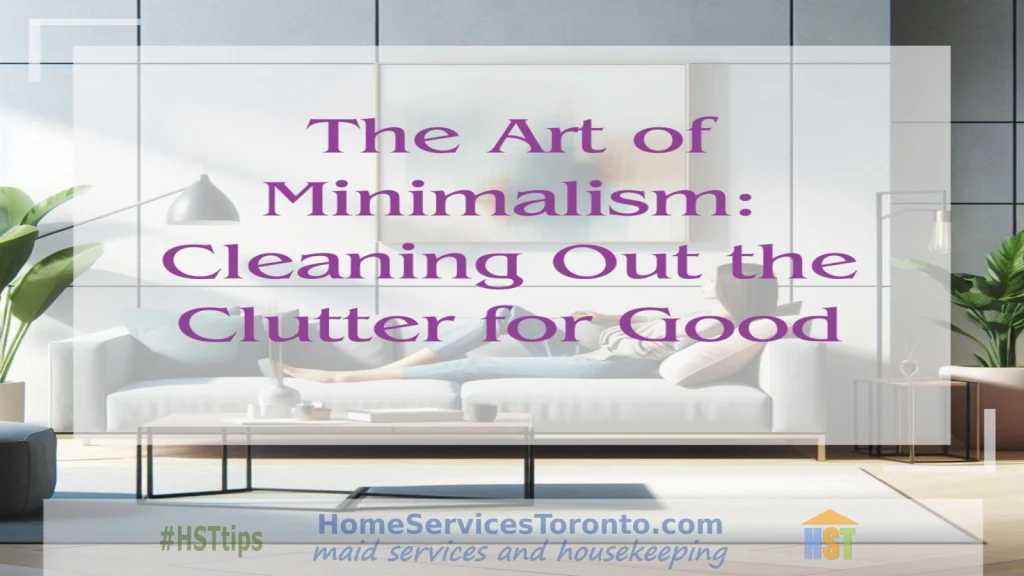
Studies have shown a correlation between intentional choices and reduced stress levels, driving home the idea that minimalism isn’t just a trend but a practical strategy for achieving a clearer mind and a more peaceful existence. As you delve deeper into the principles of minimalism, consider how this paradigm shift could manifest in your own life. The path to simplicity may reveal remarkable opportunities for joy, clarity, and balance.
Creating Space for Peace: The Role of Intentional Choices
The foundation of a minimalist lifestyle lies in the practice of making intentional choices. This principle can significantly impact stress reduction and enhance mental clarity. By deliberately selecting what to keep in our lives, we establish a sense of control that translates into greater mental well-being. Breaking down the various elements of intentional choices reveals how this practice can lead to a more serene existence.
Reducing Distractions
One of the most profound shifts observed in individuals adopting minimalism is the reduction of distractions. Our surroundings often bombard us with stimuli that demand attention, from overly cluttered living spaces to the incessant buzz of notifications from smartphones. By opting for a minimalist approach, individuals often report a marked decrease in diversions, providing a clearer path for focusing on crucial tasks and personal goals.
Studies suggest that distractions can lead to cognitive overload, causing increased stress levels and diminished clarity of thought. When physical space is decluttered, mental space follows suit, promoting a greater capacity to engage in deep work. For example, implementing practices such as a “digital detox” can further emphasize intentional choices by limiting time spent on social media. This reduction in digital noise enables individuals to concentrate on meaningful pursuits and relationships.
Intentionality in Social Engagement
Minimalism also addresses the complexities surrounding social interactions and commitments. Many individuals find they are overcommitted, leaving little room for genuine connections. By practicing intentionality in what social engagements to pursue, one can nurture relationships that are mutually fulfilling and stress-relieving.
- Evaluating invitations: Before accepting new commitments, take a moment to reflect on how each engagement aligns with your core values.
- Setting boundaries: Learn to say no to activities that don’t resonate with your priorities, thus protecting your mental and emotional well-being.
- Fostering quality over quantity: Focus on developing deeper relationships rather than spreading yourself thin across numerous social circles.
Mindful Spending Habits
Intentional choices also extend to financial decisions. Minimalists often prioritize experiences over material possessions, opting for spending that enhances their quality of life. By consciously choosing which purchases truly add value to one’s life, individuals not only manage their finances more effectively but also find increased satisfaction in their choices.
Budgeting becomes less about restriction and more about liberation, as individuals learn to allocate resources toward what genuinely brings joy and fulfillment. This shift can contribute to reduced financial stress, allowing for better mental clarity regarding future objectives. Furthermore, by resisting the urge to engage in consumerism, minimalists often report a newfound appreciation for simple pleasures, such as spending time in nature or engaging in hobbies, fostering greater contentment.
As individuals navigate the landscape of minimalism, the impact of intentional choices on stress reduction and mental clarity becomes increasingly apparent. By unearthing ways to simplify life, embrace intentionality, and prioritize quality, one can embark on a transformative journey toward a more peaceful and fulfilling existence.
| Intention in Choices | Benefits |
|---|---|
| Decluttering Spaces | Helps to create a serene environment, reducing distractions and enhancing focus. |
| Mindful Consumption | Encourages buying only what is necessary, resulting in a more organized living space. |
| Time Management | Allows individuals to prioritize tasks that align with personal values, thereby decreasing stress. |
| Healthier Relationships | Promotes connections that nurture well-being, leading to improved mental clarity. |
The impact of intentional choices on stress reduction and mental clarity is profound, especially within a minimalist lifestyle framework. By focusing on the essentials and eliminating clutter—both physical and mental—individuals can cultivate a more peaceful existence. Decluttering spaces, for instance, creates serenity and reduces distractions that typically interfere with concentration.Furthermore, practicing mindful consumption compels individuals to buy only what enhances their lives, establishing a more satisfying and organized environment. This leads to minimalistic living that inherently buffers against relentless pressures.Proper time management can dramatically decrease stress levels by allowing people to focus on tasks that resonate with their core values. Additionally, seeking out healthier relationships fosters connections that boost well-being, ultimately yielding enhanced mental clarity. Exploring these intentional choices offers insights into reducing life’s complexities, capturing the reader’s intrigue to delve deeper into the minimalist lifestyle benefits.
Harnessing Intentional Choices for Emotional Resilience
Beyond the tangible benefits of reducing clutter and distractions, the journey towards a minimalist lifestyle calls for an exploration of emotional resilience. By implementing intentional choices in our everyday lives, we can cultivate better emotional health, leading to significant stress reduction and enhanced mental clarity.
Daily Routines and Intentional Time Management
In a world that frequently glorifies busyness, intentional time management through minimalist practices is vital. By consciously evaluating how we spend our time each day, individuals can prioritize activities that foster joy, creativity, and relaxation. Research has shown that maintaining a structured routine can alleviate anxiety and pave the way for a more peaceful mind.
Creating a daily schedule that reflects personal goals and values allows for more meaningful engagement with each moment. Consider integrating time for self-care—whether it’s meditation, reading, or pursuing a hobby—into the daily routine. The practice of setting specific time blocks for both work and personal interests decreases the mental burden caused by disorganization and enhances focus. As a result, individuals report higher productivity and lower levels of stress.
- Prioritizing tasks: Start each day by identifying the most crucial tasks, thereby creating a sense of accomplishment as they are completed.
- Incorporating breaks: Integrate short breaks throughout the day to recharge mentally and physically, reinforcing an intentional approach towards well-being.
The Power of Intentional Eating
Another pivotal area where intentional choices can make a substantial impact is nutrition. Minimalist living embraces the philosophy of “less is more,” including the foods we consume. Adopting a mindful approach to eating can lead to better dietary choices, which directly affects mental clarity and overall well-being.
Mindful eating involves being present during meals, appreciating each bite, and recognizing the body’s hunger and fullness signals. This practice can reduce unhealthy eating patterns triggered by stress or emotional consumption. Engaging in meal prep with a focus on whole foods can also simplify grocery shopping and cooking, reducing the chaos surrounding mealtimes.
Studies suggest that diets rich in fruits, vegetables, and whole grains can improve mood and cognitive function, emphasizing the importance of intentional eating habits in achieving mental clarity. When individuals underestimate the role of nutrition in mental health, they may overlook a vital component of their minimalist journey. Emphasizing quality—choosing nourishing foods over processed options—mirrors the broader minimalist principles of valuing what truly matters.
Embracing Experiences Over Possessions
Minimalism encourages individuals to shift focus from the accumulation of physical possessions to the creation of lasting memories. Engaging in experiences fosters a deeper sense of fulfillment and happiness, which is highly effective in reducing stress levels. Adventures, both big and small, occupy a significant emotional space in our lives, promoting connection and joy.
Research indicates that spending on experiences rather than material goods leads to greater satisfaction and emotional well-being. Whether it’s a spontaneous weekend getaway, attending a workshop, or simply enjoying a picnic in the park, these moments contribute to a richer life narrative. When individuals intentionally choose to prioritize experiences, they cultivate an emotional richness that is less tied to external factors, reinforcing their resilience against stress.
As the exploration of intentional choices continues, it becomes evident that integrating these elements into a minimalist lifestyle can vastly improve emotional well-being. Through thoughtful decisions concerning time, nutrition, and personal experiences, individuals can navigate their minimalist lifestyles with renewed mental clarity and diminished stress.
Conclusion: Embracing Minimalism for a Clearer Mind and Reduced Stress
In a fast-paced world filled with distractions, the impact of intentional choices on stress reduction and mental clarity becomes increasingly significant. Embracing a minimalist lifestyle not only encourages individuals to declutter their physical spaces but also invites a deeper exploration of their emotional landscapes. Through conscious decision-making in areas such as daily routines, nutrition, and personal experiences, individuals can reclaim their mental clarity and foster emotional resilience.
The lessons gleaned from this journey emphasize that mindful attention to how we allocate our time directly correlates with our levels of stress and overall well-being. By prioritizing activities that nourish the soul and exploring intentional eating habits, we cultivate a healthier relationship with ourselves and our surroundings. Likewise, shifting our focus from material possessions to cherished experiences enables us to enhance our emotional richness, ultimately leading to greater life satisfaction.
As the allure of consumerism continues to shape contemporary society, the minimalist philosophy highlights the power of quality over quantity in every aspect of life. By combining intentional choices with minimalistic principles, we can foster environments that not only reduce stress but also promote clarity and peace of mind. This journey towards minimalism provides opportunities to redefine what we value most, urging us to invest in our emotional health and embrace a life filled with purpose and intentionality.
As you navigate your own path towards minimalism, consider the profound effects of your choices. Whether it’s simplifying your daily routine, being mindful about what you eat, or prioritizing meaningful experiences, each decision plays a pivotal role in shaping your mental landscape and reducing stress. The time to start is now—embrace your journey towards a clearer mind and a more resilient spirit.

Linda Carter is a writer and organization expert specializing in minimalism and personal organization. With extensive experience helping individuals create clutter-free, functional spaces and adopt mindful habits, Linda shares her knowledge on our platform. Her goal is to empower readers with practical advice and strategies to simplify their lives, stay organized, and achieve a sense of calm and balance in their daily routines.