
Mindful Consumption and the Importance of Creating Functional and Meaningful Spaces at Home
The Shift Towards Mindful Consumption
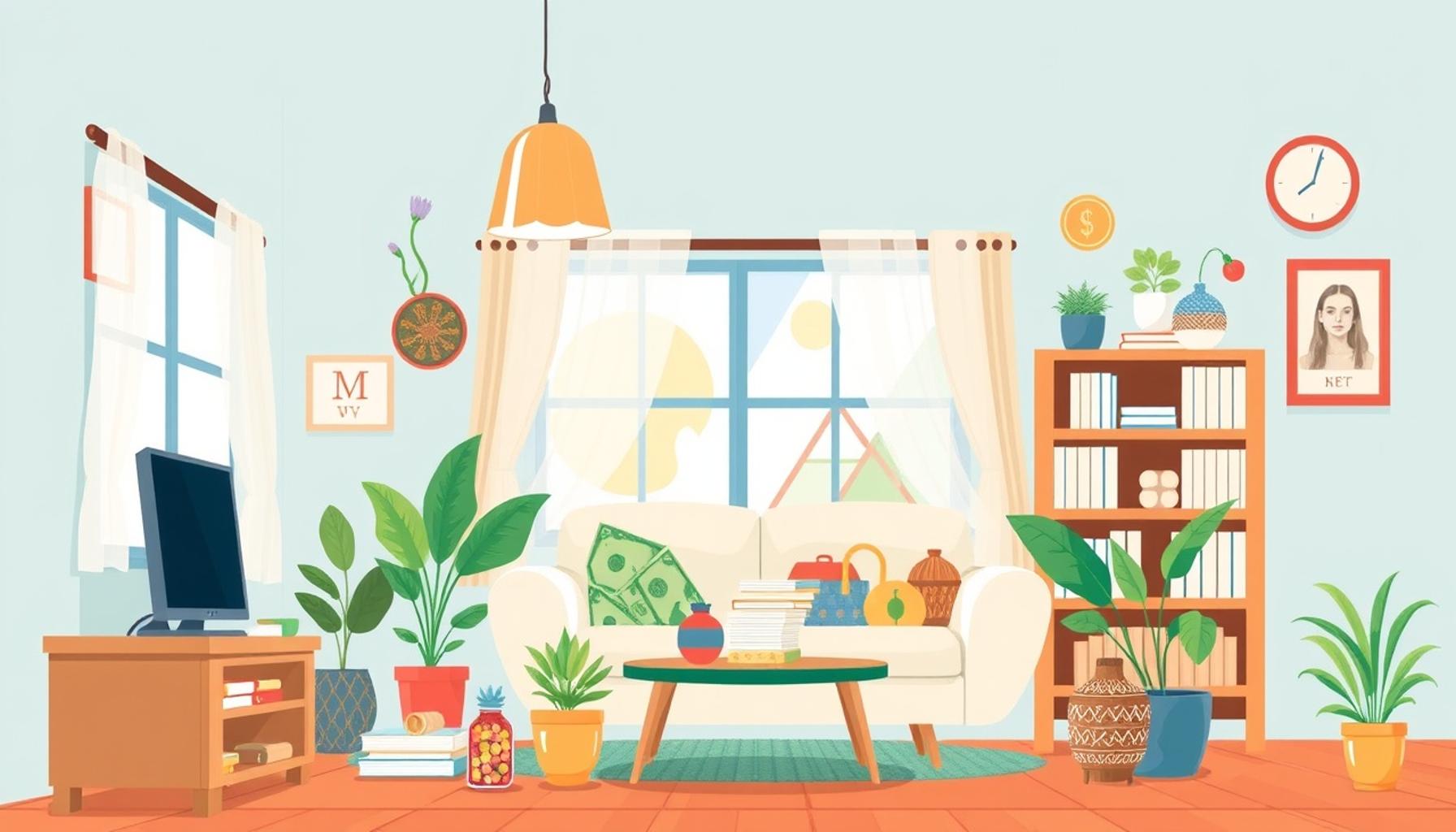
In an era where the allure of consumerism often overshadows necessity, the concept of mindful consumption is gaining significant momentum. Many individuals are starting to prioritize intentional living, recognizing that every choice they make—especially regarding their homes—carries weight not just for their own lives but also for the planet. This awakening urges us to rethink what constitutes functional and meaningful spaces in our living environments.
Establishing a home that embodies our values involves a multifaceted approach, which includes:
- Intentionality in each purchase is paramount. This means opting for high-quality items that serve a purpose rather than accumulating a wealth of items that no longer bring joy or utility. For instance, investing in timeless furniture pieces made from sustainable materials, rather than cheap decor that may quickly end up in a landfill, transforms a house into a home.
- Adopting a minimalist mindset can lead to a less chaotic atmosphere. Embracing minimalism doesn’t mean living in stark spaces; rather, it’s about curating a collection of belongings that resonate with you personally. Decluttering your space can result in a serene setting that fosters relaxation and enhances productivity.
- Incorporating elements that promote well-being can significantly uplift the mood of any space. This can include maximizing natural light through window treatments that enhance brightness and investing in indoor plants that not only beautify but also purify the air. A study by NASA found that certain houseplants like spider plants and peace lilies can improve indoor air quality by removing common toxins.
As Americans increasingly face the stresses of daily life, grappling with overwhelming clutter both physical and mental, it has become increasingly important to cultivate environments that nurture both mind and body. Studies indicate that a harmonious home can lead to reduced stress levels and improved overall well-being. Emphasizing mindful consumption not only enriches personal health but also aligns with sustainable living practices that respect the earth.
Take a step back and reflect on how your home can serve as a sanctuary that aligns with your deeper philosophy on life. Delve into methods of creating inviting and efficient spaces that resonate with your identity, ultimately bringing enhanced joy and fulfillment into your daily existence. Whether it’s through selecting artisan-made home goods or dedicating time to arrange your space thoughtfully, the journey to a mindful home is both personal and rewarding.
DISCOVER MORE: Click here to learn about the benefits of a minimalist space
Creating Spaces That Reflect Our Values
As we navigate the growing conscious consumer movement, one pivotal aspect of mindful consumption is the understanding that our living spaces should not only serve functional purposes but also resonate with our personal values and aspirations. In this context, the idea of creating functional and meaningful spaces becomes essential, as it fosters an environment that promotes well-being while minimizing unnecessary consumption.
To embark on this journey toward a more intentional living space, consider the following principles:
- Quality Over Quantity: When we prioritize quality in our purchases, we invest in items that last longer and provide greater satisfaction. This can mean selecting handmade furniture or locally sourced decor that tells a story and aligns with our values. According to a survey conducted by the American Sustainable Business Network, 87% of consumers are willing to prioritize sustainability when making purchase decisions.
- Functionality is Key: An understanding of how we use our spaces allows us to design areas that enhance our daily activities. For example, a well-organized kitchen not only helps in meal preparation but also encourages family interaction. Creating multi-functional spaces enables us to maximize utility while reducing clutter, which is vital in a society where space is often at a premium.
- Personalization: The most meaningful spaces are tailored to reflect our unique identities and experiences. Infusing personal elements, such as family photos or travel souvenirs, into our decor can create a deeper emotional connection to our surroundings. This practice not only beautifies a space but also transforms it into a true sanctuary, making it feel distinctly like home.
Moreover, the role of color and texture in our homes can greatly impact our mood and energy. Warm tones can foster a sense of comfort, while cooler shades may create a calming effect. Textured elements, such as throws and rugs, add layers of depth and warmth, encouraging a nurturing atmosphere. The Environmental Protection Agency highlights the importance of our living environments on mental well-being, stating that well-designed spaces can significantly reduce anxiety and enhance productivity.
In the quest to establish a more sustainable lifestyle, it is vital to remember that easy access to purchases often leads to impulsive decisions, contributing to unnecessary waste. By incorporating the principles of mindful consumption, we can slow down our buying impulses, allowing us to reflect on what truly adds value to our homes. Take a moment to assess your surroundings: Are the items you own truly reflecting your beliefs and enhancing your life? Are they contributing to a meaningful living experience?
As we collectively strive to cultivate practices that prioritize both our well-being and that of the planet, the creation of functional and meaningful spaces at home emerges not just as a trend but as a vital part of intentional living.
| Advantage | Description |
|---|---|
| Sustainable Living | Focusing on mindful consumption promotes sustainability by encouraging the use of resources that minimize environmental impact. |
| Functional Design | Creating functional spaces enhances productivity and well-being, leading to a home environment that fosters mental clarity. |
| Emotional Value | Curating items with emotional significance results in a space that reflects personal values, making interactions more meaningful. |
| Health Benefits | Mindful spaces contribute to physical and mental health by promoting relaxation and reducing stress through organized environments. |
The concept of *mindful consumption* extends beyond just sustainability; it transforms how we perceive and interact with our living spaces. By focusing on quality over quantity, individuals can reclaim their homes as havens of creativity, productivity, and tranquility. The art of arranging one’s environment not only maximizes its utility but also enriches the emotional tapestry of daily life. This aligns with the growing trend toward sustainability, where every item is carefully chosen, ensuring each piece adds value to both the home and the broader environment. Creating these spaces fosters a sense of belonging and purpose, which is essential in today’s fast-paced world. Investing time in design and function not only enhances the aesthetic appeal but also addresses practical needs, ultimately leading to a higher quality of life. Mindful homes can transform our experiences, promoting harmony and a deeper connection to our belongings and surroundings. As you explore the notion of *functional and meaningful spaces* at home, consider how these changes can positively impact your lifestyle. With an increased awareness of consumption, a shift towards mindful practices can lead to profound transformations, both personally and environmentally.
DISCOVER MORE: Click here to learn about the benefits of a minimalist space
Mindful Consumption as a Driving Force for Change
The integration of mindful consumption into our daily lives extends far beyond individual purchases; it has the potential to influence societal norms and practices. By consciously choosing where and how we spend our resources, we not only shape our living environments but also contribute to a culture that values sustainability, community, and well-being. This ripple effect can start with the decisions we make at home, affecting our families and friends, and ultimately inspiring greater change in the community.
A research study by the New York University Stern Center for Sustainable Business revealed that products marketed as sustainable grew 5.6 times faster than those that were not. This data underscores the increasing consumer demand for responsible products, signaling brands to reassess their manufacturing processes and the materials they use. By supporting businesses that prioritize sustainability, we empower them to continue these practices while also cultivating a market that honors the principles of mindful consumption.
In addition to supporting sustainable brands, repurposing and upcycling play crucial roles in fostering functional and meaningful spaces. Instead of discarding old furniture or decor items, consider innovative ways to breathe new life into them. Repurposing allows us to creatively rethink our spaces while minimizing waste. For instance, an old wooden door can be transformed into a rustic coffee table, or unused drawers can become charming shelves, adding a unique touch to our homes.
The Impact of Minimalism
The minimalist movement, which advocates for less and better, reinforces the concepts of mindful consumption and meaningful spaces. By embracing minimalism, individuals are encouraged to pare down their belongings to only those that are essential and cherished. This approach not only mitigates the clutter that comes from excessive consumerism but also promotes a sense of freedom and clarity within our lives.
According to a survey from the National Association of Home Builders, 55% of homebuyers stated that having a functional home that maximizes their quality of life was more important than the size of the home itself. This illustrates a growing awareness that spaces should nurture rather than overwhelm us. Streamlining our possessions leads to environments that are easier to clean and maintain while offering greater mental clarity and focus.
Cultivating Community Connections
The value of creating functional and meaningful spaces extends beyond the individual; it fosters connections within our communities. By utilizing local artisans and businesses for home improvements, we not only support the economy but also weave a tapestry of local heritage into our living spaces. The architecture, art, and products we choose to incorporate can reflect the culture of our area, enriching our living environment and supporting community cohesion.
Moreover, being intentional about our home spaces can extend to how we engage with our surroundings. From community gardens to local art exhibitions, opportunities abound to weave sustainability and creativity into our lifestyles. Participating in initiatives that promote environmental awareness or advocating for local sustainability policies contributes to a collective movement towards responsible consumption, creating a profound impact on societal values.
Through mindful consumption and the establishment of functional and meaningful spaces, we cultivate environments that nurture our well-being while promoting sustainability. As we consciously curate our surroundings, we not only enjoy the benefits of a harmonious home but also contribute positively to the world around us.
DISCOVER MORE: Click here to dive deeper
Conclusion: Embracing Mindful Consumption for Meaningful Living
The journey towards mindful consumption is not merely a passing trend but a profound shift in our approach to living and creating spaces that reflect our values. As we become increasingly aware of the impact that our purchasing decisions have on the environment and our communities, it is essential to prioritize sustainability and intentionality in our homes. A study by the New York University Stern Center for Sustainable Business demonstrates a growing consumer preference for sustainable products, highlighting that each purchase can contribute to a larger movement towards responsible living.
By fostering functional and meaningful spaces, we do more than organize our homes; we enhance our quality of life and instill a sense of purpose in our environments. The minimalist approach empowers individuals to declutter their lives, allowing for clarity and focus that can lead to improved mental well-being. Moreover, supporting local artisans and businesses helps weave a rich tapestry of community identity into our personal spaces, further unlocking the potential for collective growth.
In conclusion, the integration of mindful consumption and the creation of thoughtful living spaces have the power to enrich not only our lives but also our communities. We invite readers to explore new ways to embrace sustainability, whether through repurposing cherished items or engaging with local initiatives. The conscious pursuit of a harmonious home can inspire others and usher in a future where both people and the planet thrive in unison. Let us be the catalysts for change by prioritizing intention in our consumption, ultimately leading to a more meaningful existence.