
The Importance of Maintaining a Minimalist Space at Home
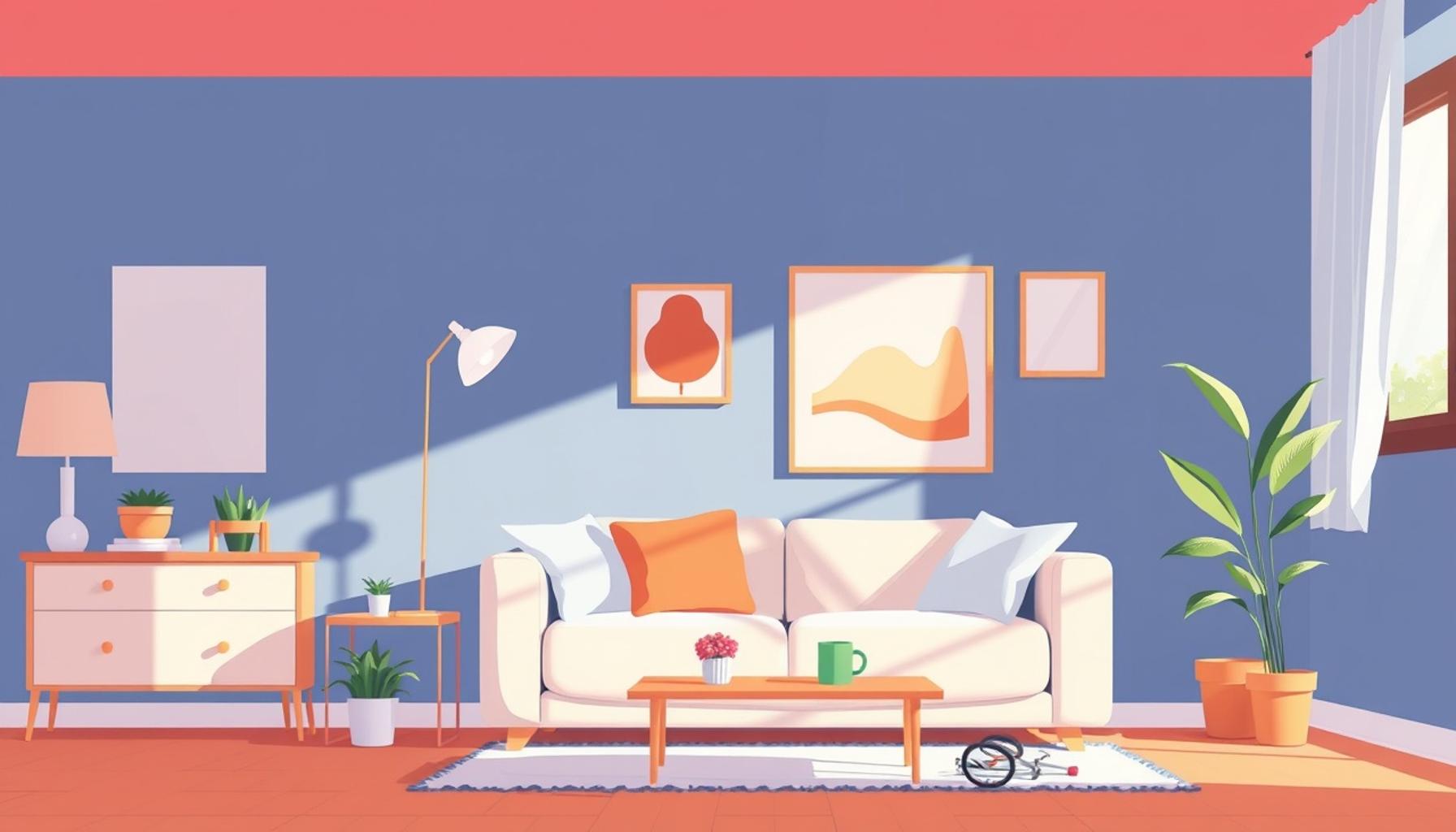
Unveiling the Benefits of Minimalism in Your Life
In a society often characterized by excess—whether it’s in material possessions or the constant barrage of information—many are discovering the profound impact of a minimalist lifestyle. Embracing minimalism means more than just decluttering your home; it signifies a shift in mindset that can propel you toward greater peace, clarity, and purpose. But what exactly makes a minimalist space not only appealing but essential in today’s fast-paced world?
- Enhanced Focus: A clean and organized environment minimizes distractions, allowing individuals to concentrate on crucial tasks. For example, a study by the Princeton Neuroscience Institute found that physical clutter in one’s surroundings competes for your attention, leading to decreased performance and increased stress. By reducing clutter, you can boost your cognitive performance and enhance the quality of your work.
- Reduced Stress: The presence of too many items can create visual distraction and emotional overwhelm. In contrast, a well-curated minimalist space promotes a calming atmosphere, which can significantly contribute to better mental health. According to mental health experts, environments that are calm and uncluttered are associated with lower levels of stress and anxiety.
- Increased Productivity: A streamlined space enhances efficiency by making it easier to locate necessary items and maintain focus. For instance, organizing your workspace by keeping only essential tools within reach fosters a sense of order and encourages proactive work habits. Entrepreneurs and creatives who have adopted minimalism often report heightened productivity as they spend less time searching for items or becoming distracted by miscues.
Research underscores that a minimalist lifestyle contributes to a simplified existence. When you choose to surround yourself with only items that bring joy and functionality, you carve out space for serenity and positive energy to flourish. This philosophy transcends aesthetics; it profoundly influences the interaction between individuals and their environment, promoting awareness and intentional living.
The benefits extend beyond mental clarity to financial advantages as well. By prioritizing quality over quantity and purchasing less, individuals can save money in the long run. For example, investing in versatile, high-quality furniture can often prove more cost-effective than frequently purchasing cheaper, less durable items. Additionally, the minimalist approach encourages eco-friendly practices by minimizing waste and consumption, effectively reaffirming a commitment to the planet.
As you consider the transformative power of minimalism, think about small changes you can make in your own space. Perhaps start with a single room or a specific area that feels particularly cluttered. The journey towards minimalism is an ongoing process—one that encourages you to reflect on what truly matters and how to incorporate those essentials into your life. Are you ready to explore how a minimalist approach can elevate not just your home, but your overall life experience?
DIVE DEEPER: Click here to discover the connection between minimalism and mental well-being
Creating a Sanctuary: The Heart of Minimalism
Minimalism is not merely a trend; it is a profound lifestyle change that speaks to the importance of maintaining a minimalist space at home. By consciously opting for a less cluttered environment, individuals can create a sanctuary that fosters both mental stability and emotional well-being. The essence of minimalism lies in simplifying one’s surroundings to enhance the clarity of mind, and its benefits are undeniable, especially in our cluttered, high-paced society.
At the core of a minimalist lifestyle is the notion of intentionality—making deliberate choices about what to keep in our living spaces. This can lead to several positive outcomes:
- Clarity of Purpose: A minimalist home allows individuals to focus on what truly matters. By eliminating excessive items, homeowners create a space that reflects their values and interests. For instance, shifting from displaying numerous trinkets to curating a few meaningful pieces can transform the entire mood of a space.
- Improved Well-Being: The act of decluttering can lead to a significant improvement in mental health. A clean and organized environment can trigger a sense of achievement and satisfaction, making individuals feel more centered and in control. A study published in the journal Environment and Behavior highlighted that people living in more organized spaces report lower levels of stress and higher satisfaction with life.
- Enhanced Creativity: Many artists and thinkers have noted that minimalism enhances their creative process. With fewer distractions around, the mind is free to explore ideas without the noise of clutter. Spaces that embrace minimalism—like open-concept living areas—can catalyze inspiration and drive innovation.
- Time Efficiency: When living in a minimalist space, the amount of time spent on household chores drastically decreases. With fewer items to manage, organize, and clean, individuals can redirect their energy toward more fulfilling activities. This time-saving aspect resonates with many busy professionals seeking to balance work and leisure effectively.
The philosophy of minimalism champions the idea that less is indeed more. This is especially relevant in the United States, where consumerism often drives people to acquire more, creating a cycle of constant purchasing. By resisting the urge to indulge in unnecessary acquisitions, individuals can maintain a harmonious and peaceful home environment. Building a minimalist space does not just pertain to aesthetics; it encourages individuals to evaluate their relationship with their belongings.
Consider practical steps towards embracing minimalism: initiating a weekend declutter challenge, opting for multi-functional furniture pieces, or simply designating “no clutter zones” in each room. These small yet impactful adjustments can lead to the larger goal of establishing a minimalist lifestyle that enhances mental clarity and overall happiness.
As awareness around minimalism grows, more people are recognizing the importance of maintaining a minimalist space at home. This ongoing journey towards simplicity is not merely about rearranging belongings; it is an invitation to engage more deeply with our environment and reassess what brings us joy and fulfillment.
| Advantages | Details |
|---|---|
| Increased Focus | Minimalist spaces reduce distractions, allowing individuals to concentrate better on tasks. A clear space leads to a clear mind, enhancing productivity. |
| Stress Reduction | Fewer possessions mean less clutter, which can significantly lower anxiety and create a more serene environment conducive to relaxation and well-being. |
| Easier Maintenance | Cleansing the home of unnecessary items leads to simplified upkeep, allowing for a more organized lifestyle without the burden of maintaining excess belongings. |
| Enhanced Aesthetics | Minimalist design creates a visually appealing space that promotes a sense of sophistication and elegance while highlighting important aspects of your home. |
| Financial Savings | Focusing on needs rather than wants can reduce unnecessary spending, allowing individuals to invest in quality upgrades instead of accumulating more items. |
The concept of maintaining a minimalist space at home transcends beyond mere aesthetics; it embodies a lifestyle that aligns with achieving greater mental peace and clarity. By embracing minimalism, homeowners can transform their environments into sanctuaries of tranquility, reflecting both function and beauty. Furthermore, this approach fosters mindfulness, as individuals are encouraged to curate their possessions deliberately, ensuring that each item serves a purpose or brings joy. Therefore, minimalism is not just a trend—it is a philosophy that can profoundly affect one’s daily living experience. The advantages of adopting this style warrant deeper investigation, presenting an opportunity to evolve one’s living space into an expression of authenticity and calm.
DISCOVER MORE: Click here to learn effective clutter-reducing strategies
Implementing Minimalism: Practical Steps to Transform Your Living Space
As the notion of minimalism continues to gain traction, many people are eager to learn how to integrate it into their homes. Implementing a minimalist lifestyle is less about deprivation and more about intentionality and quality. By focusing on the essentials, individuals can carve out a living space that is both aesthetically pleasing and highly functional. Here’s a closer look at some effective strategies that can lead to a successful transition into minimalism.
Evaluate Your Belongings: The first step toward a minimalist home is to conduct a thorough inventory of your belongings. This process requires asking critical questions about the utility and emotional connection of each item. According to a survey by the National Association of Professional Organizers, about 80% of the items people keep are used only once or twice a year. By identifying these seldom-used items and letting them go, you open up space for the things that genuinely enhance your life.
The One-Year Rule: A popular guideline among minimalists is the one-year rule: if you haven’t used an item in the past year, consider donating or selling it. This rule helps declutter storage areas—such as attics or garages—where unused items often accumulate. By adopting this approach, homeowners can ensure that every piece of furniture, décor, or accessory holds practical value.
Functional Furniture: Choosing multifunctional furniture can significantly enhance a minimalist environment. Look for furnishings that serve more than one purpose, such as ottomans with hidden storage or foldable dining tables. Incorporating such elements not only conserves space but also reduces clutter by encouraging cleanliness and organization.
Digital Decluttering: Minimalism extends beyond physical belongings. In today’s digital age, jumbled digital clutter can contribute to mental overwhelm. Allocating time to organize digital files, unsubscribe from unnecessary emails, and delete unused apps can lead to a more minimalist approach to technology. This action mirrors the benefits of physical decluttering—creating a calm and organized virtual space.
Mindful Shopping: Maintaining a minimalist space requires a shift in mindset when it comes to purchases. The practice of mindful shopping encourages individuals to think critically before acquiring new items. Set rules for yourself, such as implementing a waiting period before making purchases or prioritizing local products to further reduce your footprint. According to research published in the journal Psychology and Marketing, consumers who engage in conscious purchasing decisions report higher levels of satisfaction and less buyer’s remorse.
Embracing Negative Space: In minimalist design, the concept of negative space is just as important as the objects that occupy it. By allowing for open areas in rooms, you create a sense of airiness and calm. This design choice enables a clearer path for movement and encourages mindfulness as you engage with your environment. Rooms that embody negative space appear more inviting and less daunting.
As the minimalist movement unfolds across the United States, it encourages many to reevaluate their living situations. By focusing on intentionality and value, individuals can cultivate homes that provide serenity and support well-being. True minimalism is not just about having less; it’s about creating purpose-filled spaces that resonate with who we are and what we cherish.
DIVE DEEPER: Click here to discover the link between clutter management and boosting your creativity
Conclusion: Embracing the Power of Minimalism
In a world increasingly characterized by consumerism and clutter, maintaining a minimalist space at home emerges as not just a lifestyle choice, but a pathway to enhanced well-being and clarity. The benefits of minimalism extend far beyond mere aesthetics; they encompass emotional and mental health improvements, greater productivity, and a deeper sense of tranquility. By decluttering our physical environments, we create calmer spaces that foster relaxation and mindful living.
Implementing minimalist strategies, such as evaluating belongings, adopting the one-year rule, and prioritizing functional furniture, lays the groundwork for a harmonious living environment. Furthermore, the practice of digital decluttering and mindful shopping reinforces the principles of minimalism in every aspect of our lives. These changes encourage a critical reassessment of what truly adds value to our existence, leading to a more intentional lifestyle.
As you navigate your journey toward minimalism, it’s essential to remember that this approach is not about deprivation but about making space for what matters most. With each item removed from your home, you are not just decluttering; you are also creating an opportunity for clarity, creativity, and contentment. In effect, a minimalist space can reflect your unique identity and priorities, serving as a sanctuary that nurtures both mental and emotional well-being.
In conclusion, embracing minimalism involves a continual process of reflection and adjustment. By committing to this journey, you can transform your home into a serene retreat that enhances your quality of life. As you take these steps today, consider how a minimalist space can pave the way for a more enriched and fulfilling tomorrow.