
10 Simple Steps to Declutter Your Mind and Enhance Focus

Unlocking Mental Clarity
In a world brimming with constant distractions and overwhelming information, achieving mental clarity can feel like an elusive goal. The capability to focus sharply on tasks and events is vital for personal and professional success. Fortunately, decluttering your mind is an achievable process that leads to enhanced focus and productivity. The significance of mental clarity cannot be overstated; not only does it play a critical role in how efficiently we work, but it also affects our overall well-being.
Imagine a workspace cluttered with papers, gadgets, and debris. This scenario illustrates how external chaos can extend into our mental state. Now, consider a serene environment—one that fosters creativity and concentration. Decluttering isn’t merely about organization; it’s about clearing the mental clutter that blocks your potential. A well-organized workspace can offer a similar sense of order within your mind, allowing you to tackle challenges with greater ease and comfort.
Why Declutter Your Mind?
- Improves Focus: A clear mind allows you to concentrate on what truly matters. By reducing distractions, you can hone in on your tasks, be it a complex work project or even basic organizational duties at home.
- Reduces Stress: Less mental chatter leads to lower anxiety levels. By streamlining your thoughts and reducing the noise, you can create mental space that promotes relaxation and resilience against stress.
- Boosts Creativity: A decluttered mind is open to new ideas and solutions. With fewer mental obstacles, you may find yourself readily generating creative solutions to problems.
Psychologists have noted that cognitive overload, stemming from too many thoughts and tasks, can hinder performance. Many working professionals in the U.S. experience this firsthand—potentially sabotaging not only productivity but also job satisfaction. By adopting simple yet effective strategies, you can create a mindset primed for productivity. Consider techniques such as mindfulness meditation, journaling to clear thoughts, or even periodic breaks from digital devices to allow your brain the rest it craves. Additionally, ensuring your physical workspace is organized can echo the order you wish to achieve mentally.
Ready to Transform?
Getting started may feel daunting, but the reward—a clearer mind—is worth the effort. Many individuals report enhanced mood and improved interpersonal relationships following their mental decluttering journeys. Explore these steps as tools to reshape your thinking, enhance your focus, and ultimately, elevate your life. This may include setting aside a few minutes daily for reflection or creating a to-do list to prioritize tasks and diminish the feeling of overwhelm. Your journey to mental clarity begins now.
In conclusion, the quest for mental clarity is not just a personal endeavor; it is a vital skill that can significantly improve your professional life, relationships, and overall happiness. Whether through organizing your workspace, practicing mindfulness, or simply learning to say no to additional responsibilities, the transformation is within reach. Take the first step today toward a more focused and fulfilling life.
Practical Steps to Declutter Your Mind
Embarking on a journey to declutter your mind requires intention and a structured approach. While the concept may seem overwhelming at first, breaking it down into manageable steps makes it more achievable. Here are the first four steps you can take to commence your path toward clarity and enhanced focus:
1. Practice Mindfulness Meditation
Mindfulness meditation is a powerful tool for achieving mental clarity. By dedicating just a few minutes each day to sit quietly and focus on your breathing, you create a space for calm. Research shows that mindfulness practice can reduce stress and improve overall cognitive function. Start with just five minutes, gradually increasing this time as you feel more comfortable. As you become more attuned to your thoughts and feelings, you’ll find it easier to sift through the noise and hone in on what truly matters.
2. Journal Your Thoughts
Journaling can serve as a brain dump, enabling you to transfer thoughts swirling in your mind onto paper. This act helps consolidate scattered ideas and alleviate mental burden. Studies have indicated that writing about your feelings and tasks can significantly lower stress levels. To get started, dedicate a few minutes each day to write down your thoughts, feelings, and even tasks to tackle. Over time, this practice can help clarify your mind and bring focus to your day ahead.
3. Create a Prioritized To-Do List
Feeling overwhelmed by tasks can cloud your focus and cause anxiety. Developing a prioritized to-do list can help streamline your thoughts and manage responsibilities. Break tasks into smaller, actionable steps and categorize them by urgency and importance. This tactic not only provides a visual representation of what needs to be done but also creates a sense of accomplishment as you check off completed items. Maintaining a clear to-do list is a key strategy for achieving a decluttered mindset.
4. Set Boundaries with Technology
In today’s digital age, technology can be a double-edged sword. While it connects us to vital information and communication, excessive screen time leads to mental clutter. Consider setting boundaries by designating specific times for checking emails and social media. Research suggests that the average American spends around seven hours a day on screens. By limiting exposure to digital distractions, you allow your mind the opportunity to focus more deeply on tasks at hand. Additionally, consider employing apps that promote productivity and limit distractions during work hours.
These initial steps set the groundwork for a more organized and focused state of mind. As you engage in practices like mindfulness, journaling, and developing clear priorities, you’ll notice a transformation in your capacity to concentrate. The journey toward mental decluttering does not require a complete overhaul of your life. Instead, it invites you to be intentional about your habits and the information you allow into your mind. Keep progressing with the subsequent steps outlined in our guide to unlock your fullest potential.
10 Simple Steps to Declutter Your Mind and Enhance Focus
In the fast-paced world we live in, maintaining a clear mind and sharp focus can often feel like an uphill battle. Fortunately, there are effective strategies you can implement to declutter your mind and elevate your concentration. Below, we explore two critical aspects of mental decluttering that will set you on the path to enhanced focus.
| Mindfulness Techniques | Benefits |
|---|---|
| Meditation | Reduces stress and improves mental clarity. |
| Deep Breathing | Enhances focus and lowers anxiety levels. |
Through these mindfulness techniques, you can eliminate the noise of everyday distractions. For instance, meditation not only tunes your focus but also allows you to step back and observe your thoughts without judgment. Likewise, practicing deep breathing encourages your body to relax, creating an environment conducive to productivity. Each of these practices cultivates a mental state where clarity thrives, leading to improved decision-making and creativity.
Another essential component of decluttering your mind is organizing your environment, both physical and digital. This not only applies to your workspace but also extends to the digital realm where numerous notifications and endless online tasks can pull your attention in multiple directions.
| Organizational Practices | Benefits |
|---|---|
| Decluttering Workspaces | Promotes efficiency and reduces distraction. |
| Digital Organization | Minimizes mental overload and improves focus. |
By regularly decluttering your workspace and organizing your digital files, you groom a productive atmosphere that facilitates better focus. A tidy workspace not only enhances your ability to think clearly but also encourages creativity. Similarly, organizing your digital space by categorizing and prioritizing tasks helps in preventing overwhelm, allowing you to direct your mental energy toward what truly matters.
Implementing these steps will yield a remarkable transformation in your mental landscape, leading to improved focus and a calmer mind. In the subsequent parts of this article, we will delve deeper into more strategies to amplify your mental clarity.
Continuing Your Journey to a Clear Mind
Having set a solid foundation through mindfulness, journaling, prioritization, and technology boundaries, you are now ready to delve deeper into more advanced strategies that can amplify your ability to declutter your mind. These subsequent steps are designed to enhance your focus and empower you to take control of your mental space.
5. Establish a Daily Routine
One of the most effective ways to enhance focus is by developing a consistent daily routine that aligns with your natural rhythms. Routines can minimize decision fatigue by automating mundane choices, allowing your mind to allocate energy toward more critical tasks. Allocate specific times for eating, work, and leisure activities, ensuring to include breaks for relaxation. According to research from the University of Southern California, individuals with structured routines tend to report greater life satisfaction and lower stress levels. Start small; select just a couple of daily habits to standardize, and gradually build on them.
6. Engage in Physical Activity
Physical activity serves as a powerful tool for mental decluttering. Exercise has been shown to boost endorphins, improve mood, and enhance cognitive function. Regular physical activity increases blood flow to the brain, facilitating better concentration and memory retention. Experts recommend at least 150 minutes of moderate aerobic exercise per week, which can be as simple as brisk walking, jogging, or even dancing. Find an activity that you enjoy to ensure sustainability; this will not only help declutter your mind but also energize your body.
7. Utilize the Pomodoro Technique
The Pomodoro Technique is a time management method that can significantly aid focus and productivity. Developed by Francesco Cirillo in the late 1980s, this technique involves breaking your work into intervals, traditionally 25 minutes long, followed by short breaks. This structured approach allows your mind to concentrate more fully for brief periods, minimizing distractions. By using a timer, you create a sense of urgency that can lead to enhanced focus. After four “Pomodoros,” take a longer break to recharge. Researchers have found that this technique effectively combats mental fatigue and enhances overall productivity.
8. Declutter Your Physical Environment
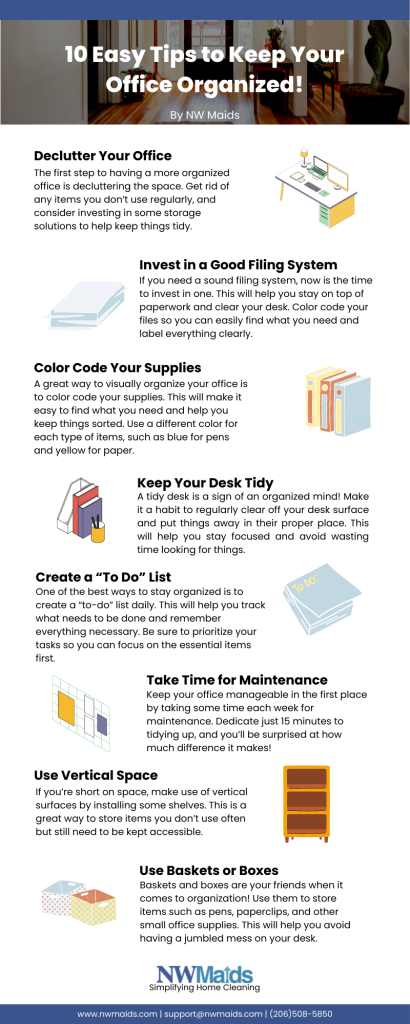
It’s not just your mind that requires decluttering; your physical environment plays a crucial role in your focus as well. A messy workspace can lead to distractions and hinder your ability to concentrate. Take a few moments to organize your desk, remove unnecessary items, and create a clean, inviting space. Studies show that employees in organized environments are more productive and creative. Consider investing in storage solutions or simply adopting the mantra of “a place for everything and everything in its place.”
9. Prioritize Sleep Hygiene
Sleep affects every aspect of your mental clarity and focus, making sleep hygiene an essential part of mental decluttering. Adults should aim for 7 to 9 hours of quality sleep each night. Develop a relaxing bedtime routine that involves winding down away from screens, dimming lights, and focusing on calming activities, such as reading or gentle stretching. Research indicates that sleep deprivation can diminish cognitive performance similar to being intoxicated. By prioritizing rest, you allow your mind to rejuvenate and reinforce focus during waking hours.
10. Embrace Gratitude Practices
Finally, cultivating gratitude can significantly alter your mental landscape. When you take the time to acknowledge what you are thankful for, you shift focus from negative thoughts and stress to positive aspects of life. Simple acts, such as listing three things you’re grateful for each day, can enhance mood and improve overall mental health. Psychologists suggest that gratitude not only promotes emotional resilience but also reduces anxiety. Integrating gratitude into your routine fosters a sense of contentment that contributes to a decluttered mind.
By implementing these additional steps alongside those previously discussed, you pave the way toward a focused and tranquil state of mind. Each step complements the others, creating a cohesive approach to mental decluttering that incorporates both psychological and practical strategies for success.
Conclusion: Your Path to Mental Clarity
As we conclude this exploration of the 10 simple steps to declutter your mind and enhance focus, it becomes clear that the journey towards mental clarity does not require an extreme overhaul of your life; rather, it is about implementing straightforward, manageable changes. From establishing a daily routine to embracing gratitude practices, every step plays a vital role in restoring your mental landscape.
The synergy of physical activity, sleep hygiene, and a decluttered environment creates a comprehensive framework for enhancing focus and productivity. Additionally, techniques like the Pomodoro Technique introduce efficiency into your workflow while reducing the burnout that often accompanies modern life. This holistic approach empowers you to take control of your mental spaces and equips you to tackle the demands of daily life with confidence.
Moreover, understanding that mental decluttering is an ongoing process encourages a lifelong commitment to your well-being. These strategies can foster resilience against stressors, transforming your mind into a sanctuary rather than a battleground. As you further implement these steps, remain open to self-reflection and adjustments; mindfulness itself is a journey that evolves over time.
So, why not begin today? Simplifying your mental landscape can pave the way for not only enhanced focus but a more fulfilling, enriched life. With each small step you take, you’ll find yourself better equipped to navigate the complexities of your daily challenges while nurturing a more peaceful state of mind.

Linda Carter is a writer and organization expert specializing in minimalism and personal organization. With extensive experience helping individuals create clutter-free, functional spaces and adopt mindful habits, Linda shares her knowledge on our platform. Her goal is to empower readers with practical advice and strategies to simplify their lives, stay organized, and achieve a sense of calm and balance in their daily routines.